
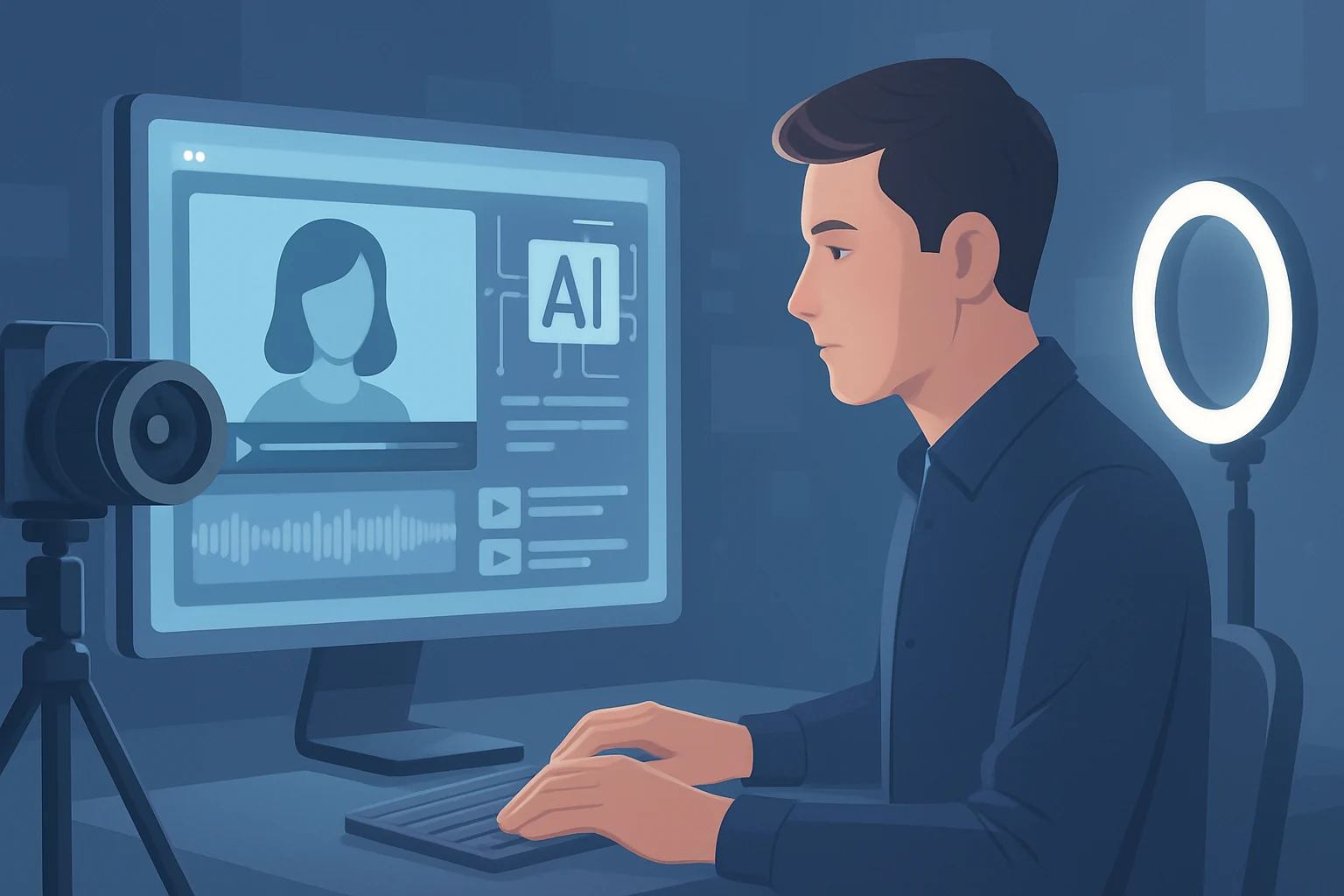
In today's digital landscape, the demand for video content is at an all-time high. With viewers consuming vast amounts of video across various platforms, businesses and content creators must adapt quickly to remain competitive. Enter Artificial Intelligence (AI), a transformative technology that is revolutionizing the way videos are created, edited, and optimized. Understanding best practices for AI video content creation is essential for anyone looking to harness this powerful tool effectively.
AI video content creation not only enhances efficiency but also allows for more personalized and engaging viewer experiences. The significance of this technology can't be overstated; it streamlines workflows, improves content quality, and opens doors to innovative storytelling possibilities. By adopting best practices, you can ensure your video content stands out in a crowded marketplace, engages your audience effectively, and drives conversions.
In this blog post, we will delve into the best practices for AI video content creation, covering essential elements, audience identification, tools, platform optimization, metrics for success, scriptwriting techniques, common pitfalls, and video personalization strategies.
Key Takeaways
- AI enhances video creation efficiency by automating tedious tasks and allowing creators to focus on storytelling.
- Understanding your audience is crucial for creating relevant and engaging content that resonates.
- Choosing the right tools is imperative; not all AI video creation tools offer the same features or value.
- Optimizing videos for different platforms can significantly impact their reach and effectiveness.
- Measuring success through key metrics ensures your video content continues to improve over time.
What are the Best Practices for AI Video Content Creation?
Understanding the significance of AI in video content creation starts with recognizing the key elements that contribute to effective AI video content. Here are some best practices to consider:
- Define Clear Objectives: Establish what you want to achieve with your video content. Are you aiming for brand awareness, lead generation, or customer retention?
- Utilize AI Tools: Leverage AI tools for script generation, video editing, and post-production. These can save time and enhance the quality of your videos.
- Focus on Quality: While AI can automate many processes, the quality of your content should never be compromised. Ensure that your videos are engaging, informative, and professionally produced.
- Incorporate Feedback Loops: Use analytics to gather data on viewer engagement. This will help you refine your content creation process.
"The future of video content lies in the fusion of creativity and technology, where AI empowers creators to tell stories more effectively."
How to Identify Your Target Audience for AI Video Content
Understanding your audience is paramount when creating engaging video content. Here’s how to approach audience research effectively:
Importance of Audience Research
Knowing who your audience is can significantly influence the type of video content you create. This allows you to tailor your messaging and visuals to resonate with their preferences.
Techniques for Audience Segmentation
- Demographic Analysis: Look at age, gender, location, and interests to create segments.
- Behavioral Insights: Analyze past interactions and engagement levels to understand viewer behavior.
- Surveys and Feedback: Collect data directly from your audience to gain insights into their preferences and needs.
What Tools and Technologies Are Essential for AI Video Creation?
An array of tools exists in the market, each offering unique features. Here’s an overview:
Overview of AI Video Creation Tools
- Synthesia: Focuses on AI-generated synthetic media, allowing creators to generate videos with virtual avatars.
- Lumen5: A platform that converts text into engaging videos using AI.
- InVideo: Offers a wide range of templates and tools for quick video creation.
Comparison of Features and Pricing
| Tool | Features | Pricing |
|---|---|---|
| Synthesia | AI avatars, multilingual support | Starts at $30/month |
| Lumen5 | Text-to-video, media library | Free tier; paid plans start at $19/month |
| InVideo | Templates, music library | Free tier; paid plans start at $15/month |
How to Optimize AI Video Content for Different Platforms?
Each platform has unique characteristics that influence how content should be presented. Here are best practices for optimization:
Best Practices for Platform-Specific Optimizations
- Aspect Ratios: Tailor your video’s aspect ratio for each platform (e.g., 16:9 for YouTube, 1:1 for Instagram).
- Length Considerations: Shorter videos often perform better on social media, while longer formats may be appropriate for YouTube.
- Captions and Thumbnails: Use engaging thumbnails and add captions to cater to viewers watching without sound.
Understanding Algorithm Preferences
Different platforms prioritize content differently based on their algorithms. Understanding these preferences can enhance your video's visibility:
- YouTube: Favours longer, engaging content with high viewer retention.
- Instagram: Prioritizes visually appealing content that encourages interaction (likes, shares, comments).
What Are the Key Metrics for Measuring AI Video Success?
Measuring the effectiveness of your AI video content is critical to understanding its impact. Here are essential metrics to consider:
Essential Metrics for Video Performance
- View Count: Indicates the number of times your video has been viewed.
- Engagement Rate: Measures interactions (likes, shares, comments) relative to views.
- Watch Time: The total time viewers spend watching your video, which can influence algorithm rankings.
- Click-Through Rate (CTR): The percentage of viewers who click on a link within your video.
How to Analyze Data Effectively
- Use analytics tools to track these metrics consistently.
- Regularly review performance to identify trends and areas for improvement.
How to Create Engaging Scripts and Storyboards with AI?
Effective storytelling is at the heart of compelling video content. Here’s how to enhance your scriptwriting with AI:
Importance of Storytelling in Video
An engaging narrative can captivate viewers, making your message more memorable.
Tips for Using AI to Enhance Scriptwriting
- AI-Powered Writing Assistants: Tools like Jasper or Copy.ai can help generate ideas and structure your scripts.
- Storyboarding Software: Use AI-based tools to visualize your story, helping you plan shots and transitions effectively.
- Iterate and Refine: Use feedback from test audiences to improve your scripts continually.
What Are Common Pitfalls to Avoid in AI Video Content Creation?
Even with AI, creators can make mistakes. Awareness of these pitfalls can help ensure quality output:
Identifying and Addressing Common Mistakes
- Over-Reliance on AI: While AI can assist, don’t let it replace human creativity and intuition.
- Ignoring Branding: Ensure your videos align with your brand’s voice and identity.
- Neglecting Audience Feedback: Always listen to your audience’s responses to improve future content.
Best Practices to Ensure Quality
- Regularly review and edit your content for clarity and engagement.
- Test different formats and styles to see what resonates best with your audience.
How to Leverage AI for Video Personalization?
Personalization can significantly enhance viewer engagement. Here are ways to implement personalized video content:
Benefits of Video Personalization
- Increased Engagement: Personalized content can lead to higher viewer retention and satisfaction.
- Improved Conversion Rates: Tailored messages can encourage viewers to take action, whether that’s subscribing or making a purchase.
Techniques for Implementing Personalized Video Content
- Dynamic Content: Use AI to create videos that adapt based on viewer data (e.g., location, preferences).
- Interactive Elements: Incorporate quizzes or polls to engage viewers and tailor content based on their responses.
Frequently Asked Questions
What is AI video content creation?
AI video content creation refers to the use of artificial intelligence technologies to assist in the video production process, enhancing efficiency and creativity.
How can AI improve video marketing?
AI can optimize video marketing by personalizing content, automating editing processes, and analyzing viewer data to refine strategies.
What are the benefits of AI in video production?
Benefits include increased efficiency, enhanced creativity, better audience targeting, and improved content quality.
How to create videos using AI?
Videos can be created using AI tools that automate tasks such as scriptwriting, video editing, and even voiceover generation.
What makes a good video script?
A good video script is clear, engaging, and tailored to the target audience, incorporating storytelling elements to capture interest.
Conclusion
Creating compelling AI video content requires a strategic approach. By understanding the best practices for AI video content creation, you can enhance your video marketing efforts and deliver more engaging experiences to your audience.
- Establish clear objectives for your video content.
- Know your audience and tailor your content accordingly.
- Choose the right tools for optimal efficiency.
- Optimize videos for the platforms you’re using.
- Measure success through key metrics for continual improvement.
Take Your Content to the Next Level
If you're ready to harness the power of AI in your video content creation, explore the latest tools and strategies. Whether you're a seasoned creator or just starting, the future of video is bright with AI at the helm. Start experimenting today to unlock new levels of creativity and engagement in your video projects!