
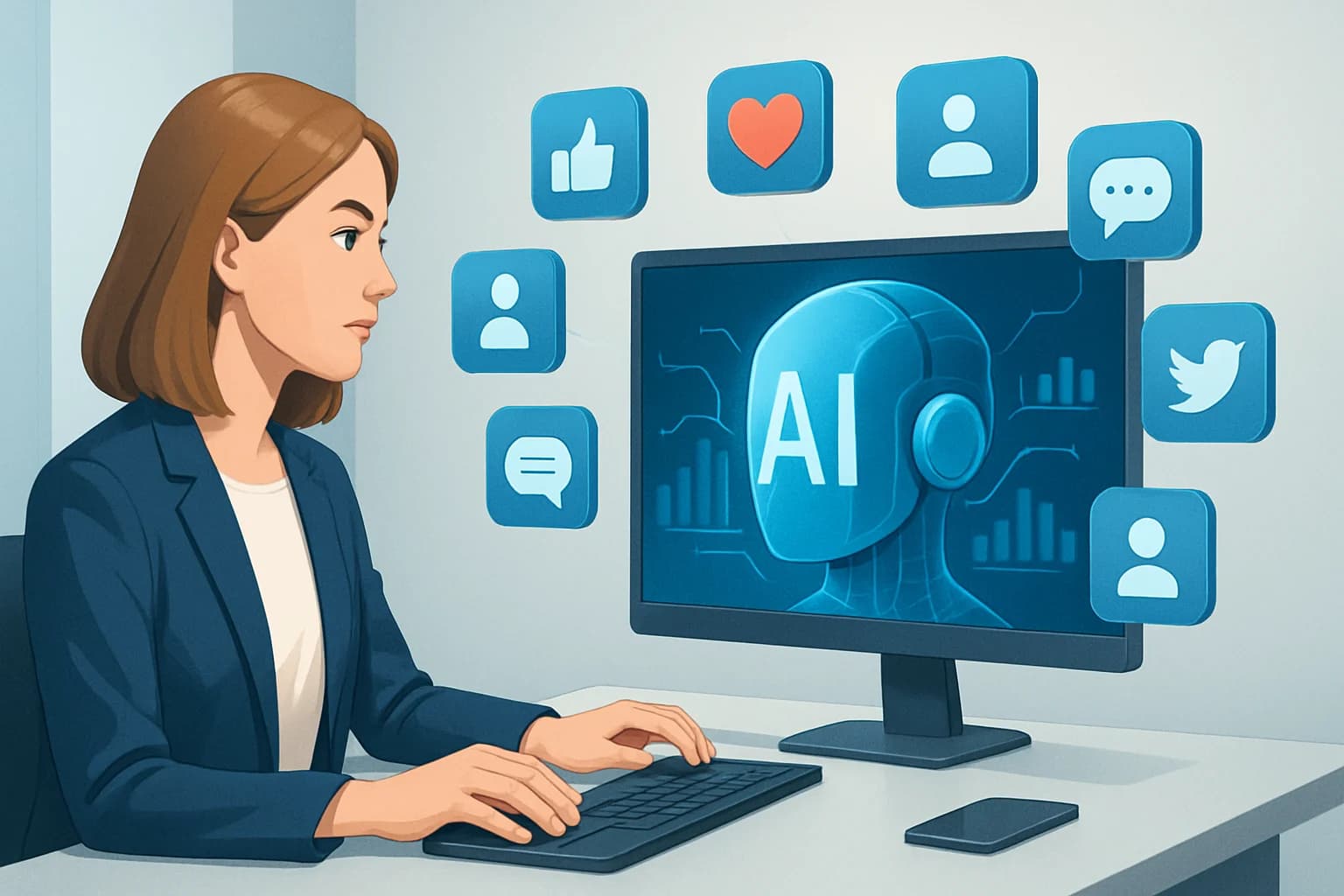
In today's fast-paced digital landscape, the integration of Artificial Intelligence (AI) into social media marketing has become not just beneficial, but essential. As businesses strive to connect with their audiences in more meaningful ways, leveraging AI tools can streamline processes, enhance engagement, and ultimately drive better results. The relevance of AI in social media marketing cannot be overstated, given the sheer volume of data generated daily and the need for marketers to sift through this information efficiently.
As marketers aim to keep pace with rapidly changing consumer preferences and behaviors, the importance of AI cannot be ignored. It offers innovative solutions that allow brands to personalize their marketing efforts, optimize their strategies, and make data-driven decisions. This exploration of AI's benefits in social media marketing will delve into its capabilities, advantages, and future potential, providing a comprehensive understanding of why embracing this technology is crucial for success.
What is AI in Social Media Marketing?
AI in social media marketing refers to the application of machine learning, natural language processing, and other AI technologies to enhance marketing strategies on social platforms. These technologies analyze vast amounts of data to identify trends, automate processes, and improve user interactions.
The importance of AI for marketers lies in its ability to process data far beyond human capability. By utilizing AI, marketers can gain insights that were previously unattainable, allowing for more informed decision-making and strategic planning. For instance, AI can analyze user sentiment from comments and feedback on social media posts, helping brands to adjust their messaging or products accordingly.
How Does AI Enhance Audience Engagement?
Personalization of Content
One of the most significant advantages of AI in social media marketing is its ability to provide personalized content to users. By analyzing user behavior, preferences, and interactions, AI can tailor content that resonates with specific audiences. This personalization can take various forms, including:
- Customized product recommendations based on previous purchases or browsing history.
- Targeted ads that reflect user interests and demographics.
- Dynamic content that adapts in real time to user engagement, such as showing different images or messages based on user interaction history.
For example, platforms like Facebook and Instagram use AI algorithms to show users ads that are most relevant to them, thereby increasing the likelihood of engagement and conversion.
Targeted Advertising Strategies
AI also enhances targeted advertising strategies. It enables marketers to identify and segment audiences more effectively, ensuring that ads reach the right people at the right time. This is accomplished through:
- Audience segmentation: AI algorithms can analyze demographics, behaviors, and interests to create detailed audience profiles. For example, a fashion retailer might segment its audience based on age, location, and past purchasing behavior to tailor ads accordingly.
- Predictive analytics: By forecasting user behavior, marketers can anticipate the needs and preferences of their audience, allowing for timely and relevant advertising. For instance, if AI detects that a user frequently engages with fitness-related content, it can suggest related products or content.
- Real-time optimization: AI tools can continuously analyze ad performance, making adjustments in real-time to maximize engagement and conversions. For example, if an ad is performing poorly, AI can alter its visuals or copy to improve results immediately.
What Are the Key Benefits of Using AI in Social Media Marketing?
Increased Efficiency and Automation
AI significantly increases efficiency by automating repetitive tasks. This allows marketers to focus on the strategic and creative aspects of their campaigns. Key areas where AI can automate include:
- Content scheduling and posting: AI tools can determine the best times to post content based on audience activity, ensuring maximum reach and engagement.
- Responding to customer inquiries: Chatbots powered by AI can handle customer service inquiries 24/7, providing instant responses and freeing up human resources for more complex issues.
- Analyzing campaign performance metrics: AI can quickly process and interpret data from multiple campaigns, providing insights that would take humans much longer to compile.
Better Analytics and Insights
AI tools provide marketers with advanced analytics that go beyond traditional metrics. They offer insights into user behavior, sentiment analysis, and overall campaign effectiveness. This information can lead to:
- Improved decision-making based on data-driven insights. For instance, if AI identifies that certain types of content generate more engagement, marketers can prioritize those formats.
- Enhanced understanding of audience needs and preferences, allowing for more targeted marketing efforts.
- Identification of emerging trends in real-time, enabling brands to pivot their strategies swiftly to align with market changes.
"The future of marketing lies in harnessing the power of AI to create more meaningful connections with consumers." – Marketing Expert
How to Implement AI Tools in Your Social Media Strategy?
Choosing the Right AI Tools
When integrating AI into your social media strategy, selecting the right tools is crucial. Consider the following factors:
- Specific needs: Identify what you want to achieve with AI (e.g., analytics, content creation, customer service). For example, if your goal is to enhance engagement, look for tools that specialize in audience analysis and content personalization.
- User-friendliness: The tool should be easy to use and integrate with existing systems, ensuring that your team can adopt it without a steep learning curve.
- Scalability: Choose tools that can grow with your business. As your audience expands, your tools should be able to handle increased data and more complex marketing needs.
Integration with Existing Platforms
Once you’ve selected appropriate tools, ensure they seamlessly integrate with your existing social media platforms. This can enhance the overall effectiveness of your marketing strategy and minimize disruptions. Steps to consider include:
- API compatibility: Check if the AI tool can connect smoothly with your current software. A seamless API integration ensures that data flows easily between systems.
- Data synchronization: Ensure that data flows between platforms without manual input, reducing the risk of errors and saving time.
- Training and support: Invest in training for your team to maximize the potential of the new tools. Continuous education will help your team stay updated on the latest features and best practices.
What Are the Challenges of AI in Social Media Marketing?
Potential Pitfalls
While AI offers numerous advantages, there are also potential pitfalls to consider. Some challenges include:
- Over-reliance on automation: Marketers may become too dependent on AI tools and neglect the human touch in their strategies. While AI can handle many tasks, human creativity and intuition remain irreplaceable.
- Data privacy concerns: Mismanagement of user data can lead to ethical issues and legal repercussions. With increasing regulations like GDPR, marketers must be diligent in handling consumer data responsibly.
- Bias in algorithms: AI systems can inadvertently perpetuate biases present in the data they analyze. For instance, if training data is not diverse, the AI may not serve all audience segments effectively.
Ethical Considerations
As AI continues to evolve, ethical considerations remain paramount. Marketers must navigate the fine line between personalization and invasion of privacy. Adhering to best practices, such as transparency and data protection, is essential to maintaining consumer trust. Here are some ethical guidelines to consider:
- Transparency: Be open about how data is collected and used. Informing users can build trust and loyalty.
- Consent: Always obtain user consent before collecting data, especially for personalized marketing efforts.
- Accountability: Ensure that there are measures in place to address any biases or inaccuracies in AI-driven insights.
Future Trends: How Will AI Shape Social Media Marketing?
Emerging Technologies
Emerging technologies such as augmented reality (AR), virtual reality (VR), and chatbots are expected to further transform social media marketing. These innovations will allow brands to create immersive experiences that engage users on a deeper level. For instance, AR can enable users to visualize products in their own environments before making a purchase, enhancing the shopping experience.
Predictions for the Future
Looking ahead, several trends are likely to shape the future of AI in social media marketing:
- Increased use of voice search: As voice-activated devices gain popularity, marketers will need to optimize their content for voice queries. This may involve focusing on conversational language and long-tail keywords that align with how people speak.
- More sophisticated AI tools: Future AI tools will likely offer even more advanced analytics and automation features, enabling deeper insights and more refined targeting capabilities.
- Greater emphasis on ethical AI: Brands will need to prioritize ethical considerations to maintain consumer trust and comply with regulations, leading to the development of industry standards for AI usage.
Key Takeaways
- AI enhances audience engagement through personalized content and targeted advertising, improving the effectiveness of marketing efforts.
- Increased efficiency and automation allow marketers to focus on strategic planning while AI handles repetitive tasks.
- Advanced analytics provide deeper insights into user behavior and campaign performance, enabling data-driven decision-making.
- Choosing the right AI tools and integrating them with existing platforms is essential for maximizing the benefits of AI in social media marketing.
- Ethical considerations are crucial to navigate the challenges posed by AI, ensuring that consumer trust is maintained.
Frequently Asked Questions
What are the advantages of AI in marketing?
AI provides advantages such as automation of repetitive tasks, improved analytics, personalized customer interactions, and enhanced decision-making capabilities. These benefits lead to more effective marketing strategies and improved ROI.
How is AI changing social media?
AI is changing social media by enabling personalized content delivery, optimizing advertising strategies, and providing actionable insights from data analysis. This transformation enhances user engagement and satisfaction.
What tools can be used for AI in social media marketing?
Popular AI tools for social media marketing include Hootsuite Insights, Sprout Social, HubSpot, and Adobe Sensei, among others. These tools offer various features such as analytics, content scheduling, and customer engagement.
How do I choose the right AI tool for social media?
Select an AI tool based on your specific marketing needs, ease of use, integration capabilities, and scalability for future growth. A well-chosen tool should align with your business objectives and enhance your marketing strategy.
Conclusion
The integration of AI in social media marketing presents numerous advantages for businesses looking to enhance their strategies. By embracing AI technologies, marketers can achieve greater efficiency, unlock valuable insights, and create more meaningful connections with their audience.
- AI enhances audience engagement through personalization.
- Increased efficiency allows marketers to focus on strategic efforts.
- Advanced analytics provide deeper insights into consumer behavior.
- Choosing and integrating the right tools is crucial for success.
Take Your Content to the Next Level
Are you ready to harness the power of AI in your social media marketing? Start exploring tools that align with your goals and begin implementing strategies that will elevate your brand's presence. Don’t miss out on the opportunity to stay ahead in the ever-evolving landscape of digital marketing!