
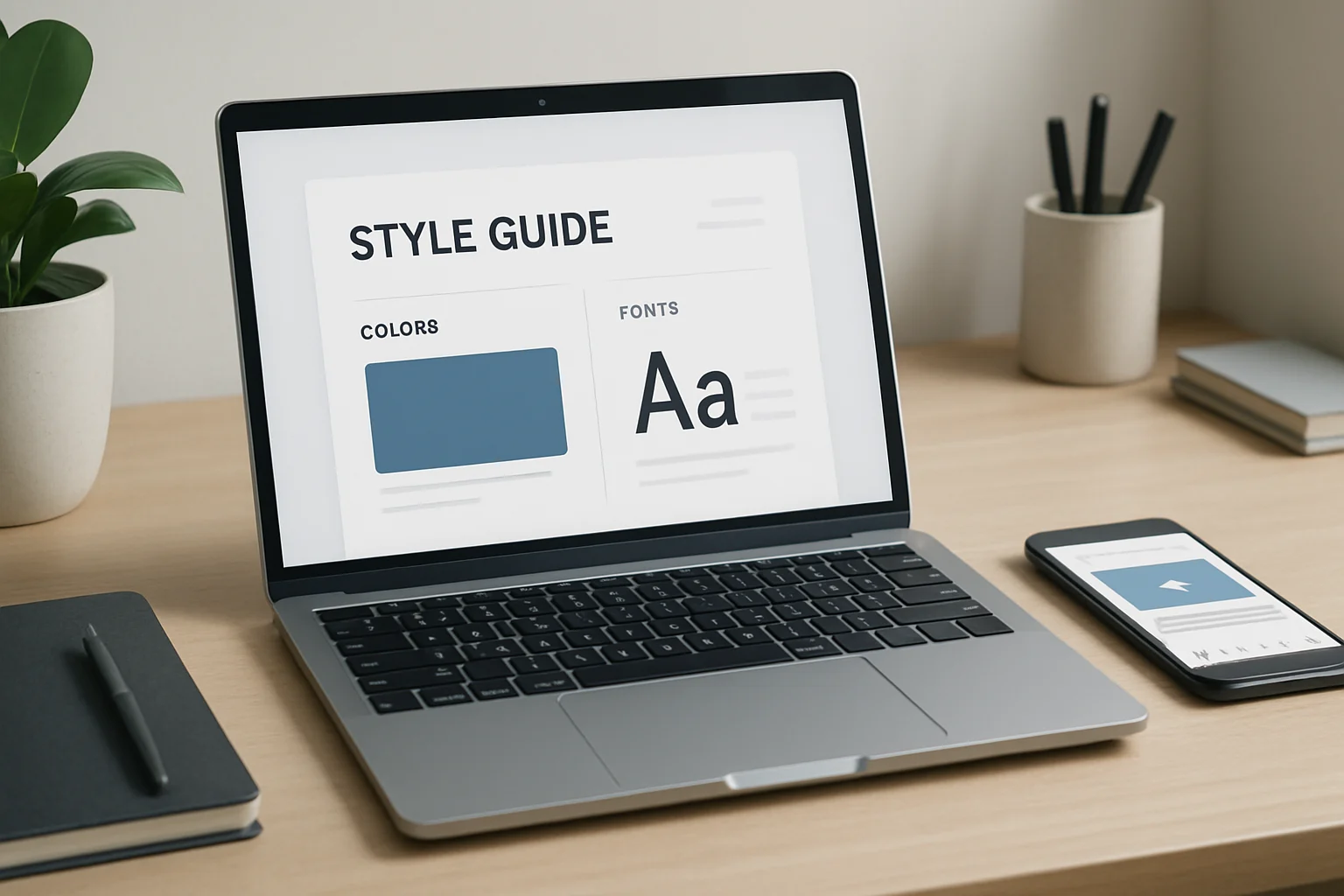
Creating a social media style guide can transform your brand's online presence. It acts as a blueprint, ensuring that every piece of content aligns with your brand’s values, voice, and visual identity. With a well-defined style guide, you can consistently engage your audience, enhance brand recognition, and foster trust across various social media platforms.
In a world where first impressions matter, a social media style guide is not just beneficial; it’s essential. It empowers your team to communicate effectively and helps maintain coherence in messaging, ensuring that your audience receives a unified brand experience. By following a structured approach to crafting your guide, you can elevate your social media strategy to new heights.
Key Takeaways
- A social media style guide ensures consistent branding across platforms.
- Maintaining a coherent voice enhances audience engagement and trust.
- Key elements include brand voice, visual elements, and content guidelines.
- Regular updates and team training are crucial for effective implementation.
- Learning from successful examples can provide valuable insights.
- A style guide fosters collaboration and reduces miscommunication among team members.
What is a Social Media Style Guide?
A social media style guide is a comprehensive document that outlines how a brand communicates on social media platforms. It includes guidelines for language, tone, visual elements, and overall messaging, serving as a reference for anyone creating content for the brand.
Having a style guide is critical for branding because it helps to create a consistent identity across all social media channels. When your messaging is uniform and recognizable, it enhances brand awareness and loyalty among your audience. A well-crafted guide not only serves as a roadmap for content creation but also helps mitigate the risk of misunderstandings that could arise from inconsistent messaging.
Why You Need a Social Media Style Guide
- Ensures Brand Consistency: A style guide acts as a reference point, ensuring that all team members communicate in a manner that reflects the brand’s identity. This consistency is crucial when dealing with various platforms and diverse audiences.
- Helps in Maintaining a Coherent Voice: Consistency in tone and language fosters familiarity, enabling your audience to connect with your brand more easily. A coherent voice builds trust and encourages engagement from your followers.
Having a style guide reduces the risk of miscommunication and helps in portraying a unified brand image, which is essential in today’s competitive landscape. When every post, comment, and interaction aligns with your brand's established guidelines, the likelihood of creating a positive impression increases significantly.
Key Elements of a Social Media Style Guide
Creating a robust social media style guide involves various components:
Brand Voice and Tone
- Voice: The unique personality of your brand. Is it friendly, professional, humorous, or authoritative? Your brand voice should reflect the core personality of your organization and resonate with your audience.
- Tone: The emotional inflection applied in your messaging. It can vary based on context and audience. For example, your tone may be more formal for corporate communications and relaxed for casual social media interactions.
Visual Elements
- Logo Usage: Guidelines on how to use your logo, including size, placement, and variations. It’s essential to ensure that the logo remains recognizable and visually appealing across different platforms.
- Color Palette: A defined color scheme that reflects your brand’s identity. Consistent use of colors can evoke emotions and associations that reinforce your brand message.
- Typography: Specific fonts and styles to maintain throughout all content. Typography choices can convey different moods and should be aligned with your brand voice.
Content Guidelines
- Post Frequency: Recommendations on how often to post to maintain engagement. A well-planned posting schedule helps to keep your audience interested and informed.
- Content Types: Types of content to use (e.g., images, videos, polls) and their optimal use. Variety in content types can enhance engagement and appeal to different audience preferences.
- Hashtags: Approved hashtags that align with your brand and industry. Using consistent hashtags can improve discoverability and help categorize your content effectively.
Additional Elements
- Audience Insights: Understand your target audience, their preferences, and behaviors. Tailoring your content to meet the needs of your audience can significantly enhance engagement.
- Crisis Communication Protocols: Guidelines on how to respond during a crisis. Establishing a protocol can help your team navigate challenging situations smoothly and maintain brand integrity.
How to Create a Social Media Style Guide: Step-by-Step
Creating a social media style guide involves a systematic approach:
- Assess Your Brand Identity: Reflect on your brand’s mission, vision, and values. What do you want to convey? Understanding your brand’s essence is fundamental to shaping your communications.
- Gather Examples: Look at competitors and successful brands for inspiration. Identify what works and what doesn’t. Analyze their content strategies, engagement techniques, and visual approaches.
- Draft the Guidelines: Compile your findings into a document that outlines voice, tone, visual elements, and content strategies. Ensure that your guidelines are clear, comprehensive, and easy to follow.
"Your social media style guide is not just a document; it’s a living tool that shapes your brand’s online conversation."
-
Involve Team Members: Engage your team in the drafting process. Their insights can help enhance the guide and foster a sense of ownership.
-
Test and Refine: Implement the guidelines and monitor their effectiveness. Be open to making adjustments based on feedback and performance metrics.
Common Mistakes to Avoid
While drafting your style guide, be mindful of these common pitfalls:
- Inconsistency in Tone: Avoid fluctuating between different tones as it confuses your audience. Establishing a clear tone that aligns with your brand voice will help maintain engagement.
- Neglecting Visual Guidelines: Failing to provide clear visual guidelines can lead to a disjointed brand image. Ensure that visual elements are well-documented and easily accessible.
- Lack of Updates: Regularly revisiting and updating your guide ensures it remains relevant and effective. Changes in trends, audience preferences, and company direction should be reflected in your guide.
How to Implement and Maintain Your Style Guide
Implementing and maintaining your social media style guide requires ongoing effort:
- Training Your Team: Ensure that everyone involved in content creation understands and adheres to the guidelines. Schedule regular training sessions to reinforce the importance of the guide.
- Regularly Updating the Guide: As your brand evolves, so should your style guide. Schedule periodic reviews, ideally at least once a year, to incorporate new insights or changes in strategy.
- Gathering Feedback: Encourage your team to provide input on the guide's effectiveness and areas for improvement. An open dialogue can lead to valuable enhancements over time.
Examples of Effective Social Media Style Guides
Several brands have successfully developed comprehensive social media style guides. Here are a few notable examples:
- Mailchimp: Their guide highlights a clear voice and visual elements that resonate with their target audience. They emphasize a friendly, approachable tone, which is reflected in their content.
- Coca-Cola: Offers extensive guidelines on usage of logos, colors, and messaging to maintain brand consistency. Their style guide ensures that any content created aligns with their iconic brand identity.
- Airbnb: Provides insights into their community guidelines, emphasizing inclusivity and warmth in their messaging. Their guide illustrates the importance of representing diverse perspectives in their content.
These examples illustrate how an effective style guide informs content creation and enhances brand identity. By studying these brands, you can identify best practices and apply them to your own social media strategy.
Frequently Asked Questions
What should be included in a social media style guide?
A social media style guide should include brand voice and tone, visual elements (like logos and color palettes), content guidelines, and posting frequency. It may also encompass audience insights and crisis communication protocols.
How do I create a social media style guide for my business?
Start by assessing your brand identity, gathering examples from successful brands, and drafting comprehensive guidelines that cover voice, tone, visuals, and content strategies. Involve your team in the process for better results.
What is the purpose of a social media style guide?
The purpose is to ensure consistent branding, maintain a coherent voice across platforms, and provide a reference for anyone creating content for the brand. A style guide acts as a safeguard against miscommunication.
How often should a social media style guide be updated?
It's advisable to review and update your style guide at least once a year, or whenever there are significant changes to your brand or strategy. Keeping the guide current ensures its effectiveness.
Conclusion
Creating a social media style guide is a vital step in establishing and maintaining your brand identity online. By following systematic steps, you can ensure that your messaging and visual elements resonate with your audience consistently.
- Start by assessing your brand identity.
- Gather examples for inspiration.
- Draft clear and comprehensive guidelines.
- Regularly update the guide to stay relevant.
A well-crafted social media style guide can be the difference between a fragmented online presence and a cohesive, engaging brand identity.
Take Your Content to the Next Level
Are you ready to elevate your brand's social media presence? Start creating your social media style guide today and watch your engagement soar! If you need assistance, reach out for expert guidance tailored to your unique brand needs. Together, we can create a strategy that not only aligns with your vision but also captivates your audience and drives results!