
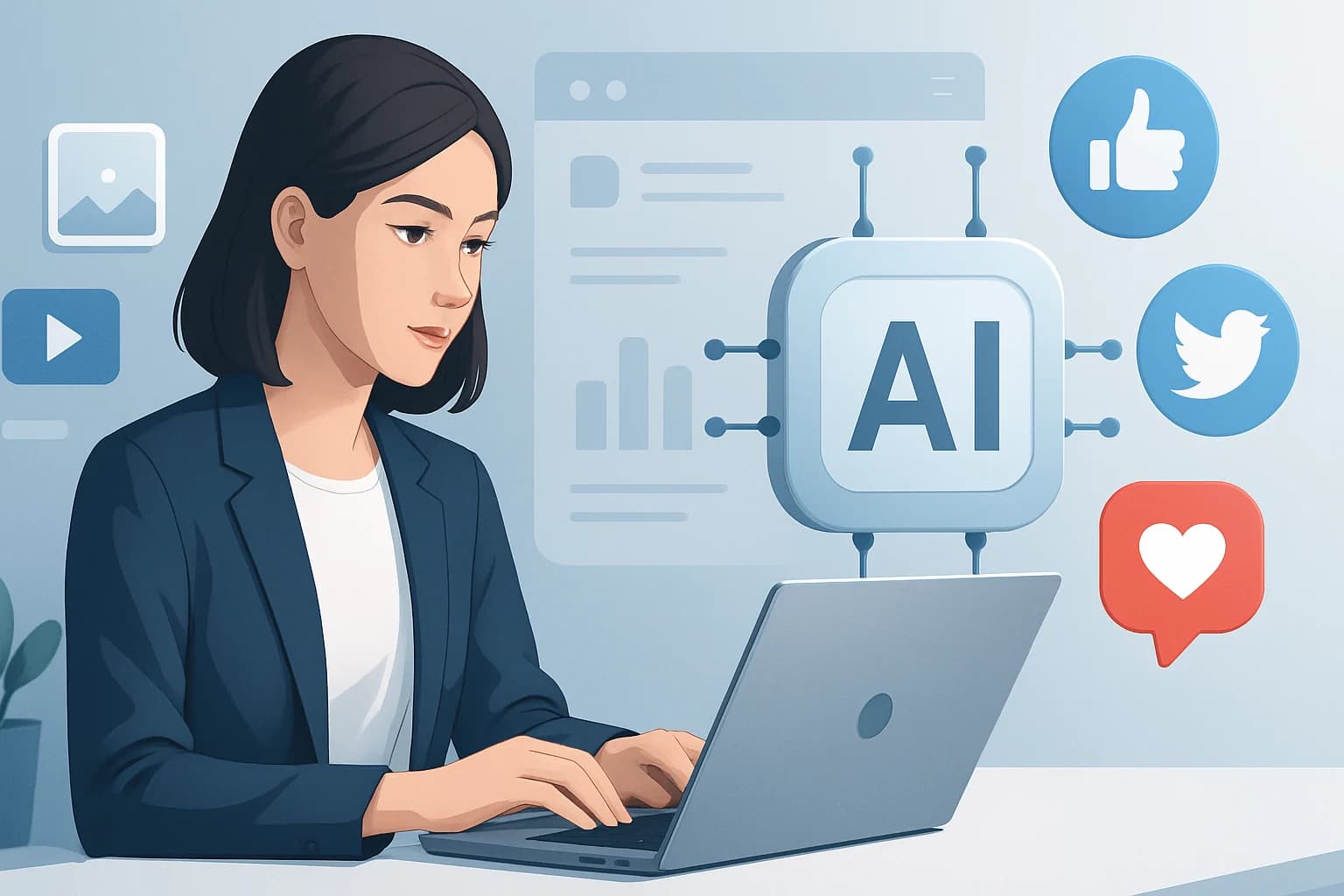
In today's digital landscape, integrating AI into your social media campaigns can revolutionize the way you engage with audiences, optimize content, and measure performance. Imagine being able to predict customer behavior, tailor your messaging to specific demographics, and create eye-catching visuals—all with the power of artificial intelligence. This transformation not only enhances your marketing efficiency but also elevates your brand’s presence in a crowded marketplace.
As social media platforms continue to evolve, the importance of leveraging AI becomes ever more critical. Brands that can harness this technology are poised to stay ahead of the competition, delivering personalized experiences that resonate with their audience. Whether you're a seasoned marketer or a business owner just starting, understanding how to seamlessly integrate AI into your social media strategy is essential for success.
Key Takeaways
- AI enhances targeting and personalization, allowing for more effective audience engagement.
- Automated content creation can save time and resources while maintaining quality.
- AI tools provide in-depth analytics, helping marketers make data-driven decisions.
- Ethical considerations are crucial when implementing AI to ensure transparency and trust.
- Future trends in AI will continue to shape social media marketing strategies.
What is AI in Social Media Marketing?
Artificial Intelligence (AI) refers to the capability of a machine to imitate intelligent human behavior. In the context of social media marketing, AI encompasses a range of technologies that can analyze data, automate processes, and enhance user experiences. This includes everything from chatbots that provide customer service to algorithms that curate personalized content feeds.
The importance of AI in modern marketing strategies cannot be overstated. As consumers demand more personalized and relevant content, AI provides the tools needed to meet these expectations. Brands can analyze vast amounts of data to uncover insights about customer preferences, leading to more targeted campaigns and improved return on investment (ROI).
Examples of AI Applications in Social Media
- Chatbots: These AI-driven tools can interact with customers in real time, answering queries and guiding them through the purchase process.
- Content Curation: AI algorithms can sift through immense data sets to deliver personalized content suggestions to users, enhancing their social media experience.
- Predictive Analytics: By analyzing past user behavior, AI can forecast future actions, helping brands tailor their strategies accordingly.
How to Integrate AI into Your Social Media Campaigns
Integrating AI into your social media campaigns involves a step-by-step approach. Here’s a guide to help you get started:
Step 1: Define Your Goals
Before implementing AI, clearly define what you want to achieve. Common goals include:
- Increasing engagement rates: Aim for higher likes, shares, and comments on your posts.
- Improving customer satisfaction: Focus on delivering timely and relevant responses to customer inquiries.
- Boosting conversion rates: Strive to convert social media interactions into sales or leads.
Step 2: Choose the Right AI Tools
Select AI tools that align with your goals. Consider factors such as:
- Features: Ensure the tool offers the capabilities you need, such as analytics or automation.
- Usability: Choose user-friendly platforms that your team can easily adopt.
- Pricing: Evaluate whether the cost fits within your marketing budget.
Step 3: Train Your Team
Ensure your team understands how to use AI tools effectively. Providing training sessions can enhance their skills and maximize the tools' potential. Consider:
- Organizing workshops on AI tool usage.
- Providing online courses or resources for continuous learning.
- Encouraging knowledge sharing among team members.
Step 4: Implement and Monitor
Start using the tools in your campaigns. Monitor performance closely to identify areas for improvement. Use analytics to evaluate:
- Audience engagement levels.
- Content performance metrics.
- Overall campaign effectiveness.
Best Practices for Using AI in Social Media
- Stay User-Centric: Always prioritize user experience in your AI-driven campaigns. Ensure that the content is relevant and engaging.
- Test and Iterate: Regularly test different approaches and refine based on data insights. A/B testing can help determine what works best.
- Integrate Human Touch: Balance automation with personalized interactions to maintain authenticity. While AI can handle many tasks, human oversight is essential for nuanced communication.
Benefits of Using AI in Social Media Marketing
Leveraging AI offers numerous benefits that can significantly enhance your social media marketing efforts.
Enhanced Targeting and Analytics
AI tools can analyze user behavior and demographics, allowing you to:
- Create targeted ad campaigns: Reach specific audience segments based on behavior and interests.
- Predict future trends: Utilize data insights to foresee shifts in consumer preferences and adapt your strategy accordingly.
- Optimize content distribution: Determine the best times and channels for posting to maximize reach and engagement.
Improved Content Creation and Curation
AI-assisted content creation tools can help generate creative ideas and even produce content autonomously. This leads to:
- Increased efficiency in content production: Automate repetitive tasks, allowing your team to focus on strategic initiatives.
- More relevant and engaging posts: Utilize data-driven insights to create content that resonates with your audience.
Common AI Tools for Social Media Integration
There are several popular AI tools available for social media marketing, each with unique features and pricing structures.
Overview of Popular AI Tools
- Hootsuite Insights: Uses AI to analyze social media conversations, delivering actionable insights that help brands understand audience sentiment.
- Canva: Offers AI-powered design suggestions for creating visually appealing graphics and social media posts efficiently.
- Buffer: Provides AI-based scheduling and analytics for optimizing post times and improving audience engagement.
Comparison of Features and Pricing
| Tool | Features | Pricing |
|---|---|---|
| Hootsuite Insights | Social listening, sentiment analysis | Starts at $19/month |
| Canva | AI design suggestions, templates | Free with premium options |
| Buffer | Scheduling, analytics, AI recommendations | Starts at $15/month |
Challenges and Considerations When Integrating AI
While the benefits of AI are substantial, businesses may face several challenges.
Potential Challenges
- Data Privacy: Ensuring compliance with data protection regulations is critical to maintaining trust with your audience.
- Integration Issues: Merging AI tools with existing systems can be complex and may require technical expertise.
- Skill Gaps: Employees may need additional training to effectively utilize AI tools, which can require time and resources.
Ethical Considerations
Ethics play a vital role in AI marketing. Transparency in how data is used and ensuring that AI systems do not perpetuate biases are crucial for maintaining trust with your audience. Consider establishing clear guidelines for data usage and regular audits of AI systems to evaluate their fairness and accuracy.
Measuring the Success of AI-Driven Campaigns
Understanding the effectiveness of your AI initiatives is essential for continuous improvement.
Key Metrics for Evaluating AI Effectiveness
- Engagement Rate: Measure likes, shares, comments, and interactions to gauge audience response.
- Conversion Rate: Analyze how many users take desired actions after engaging with AI-generated content, such as signing up for newsletters or making purchases.
- Customer Satisfaction: Use surveys to gauge user experience and satisfaction levels, providing insights into areas needing improvement.
Tools for Monitoring Campaign Performance
- Google Analytics: Track website traffic and conversion metrics, helping to evaluate the effectiveness of your social media efforts.
- Sprout Social: Offers in-depth analytics on social media performance to help inform future strategies.
- HubSpot: Provides comprehensive tools for monitoring marketing effectiveness, including social media performance metrics.
Future Trends in AI and Social Media Marketing
The landscape of AI in social media marketing is rapidly evolving. Here are some emerging trends to watch for:
Emerging Trends
- Increased Personalization: AI will enable hyper-personalized content experiences, tailoring messages to individual preferences based on behavioral data.
- Voice and Visual Search: As voice-activated devices grow, optimizing for voice search will become essential, requiring brands to rethink their content strategies.
- Advanced Data Analytics: Greater emphasis on predictive analytics will help marketers anticipate customer needs and adjust their strategies proactively.
How to Prepare for Future Developments
- Stay updated on AI technologies and trends: Regularly read industry publications and attend conferences to remain informed on the latest advancements.
- Experiment with new tools and strategies: Be open to trying new technologies and methodologies to find what best suits your brand.
- Invest in training for your team: Providing ongoing education will ensure your team remains competitive and adept at using new systems.
Frequently Asked Questions
What are the best AI tools for social media?
Some of the best AI tools include Hootsuite Insights for analytics, Canva for design, and Buffer for scheduling.
How can AI improve social media marketing?
AI improves social media marketing by enhancing targeting, automating content creation, and providing in-depth analytics that facilitate data-driven decisions.
What challenges come with using AI in social media?
Challenges include data privacy concerns, integration issues, and potential skill gaps among employees, which may necessitate additional training.
How do you measure AI success in campaigns?
AI success can be measured through engagement rates, conversion rates, and customer satisfaction metrics, all of which provide insights into campaign performance.
Conclusion
Integrating AI into your social media campaigns is a powerful way to enhance engagement, improve content quality, and drive better results. By following the steps outlined in this guide, you can effectively harness the power of AI for your marketing efforts.
- Define clear goals for AI integration to guide your strategy.
- Choose the right tools that suit your needs and budget.
- Continuously monitor and optimize your campaigns to ensure ongoing success.
Take Your Content to the Next Level
Ready to elevate your social media marketing strategy with AI? Start exploring AI tools today and transform your campaigns into data-driven success stories! By embracing these technologies, you can create a more personalized, engaging, and effective marketing strategy that resonates with your audience.