
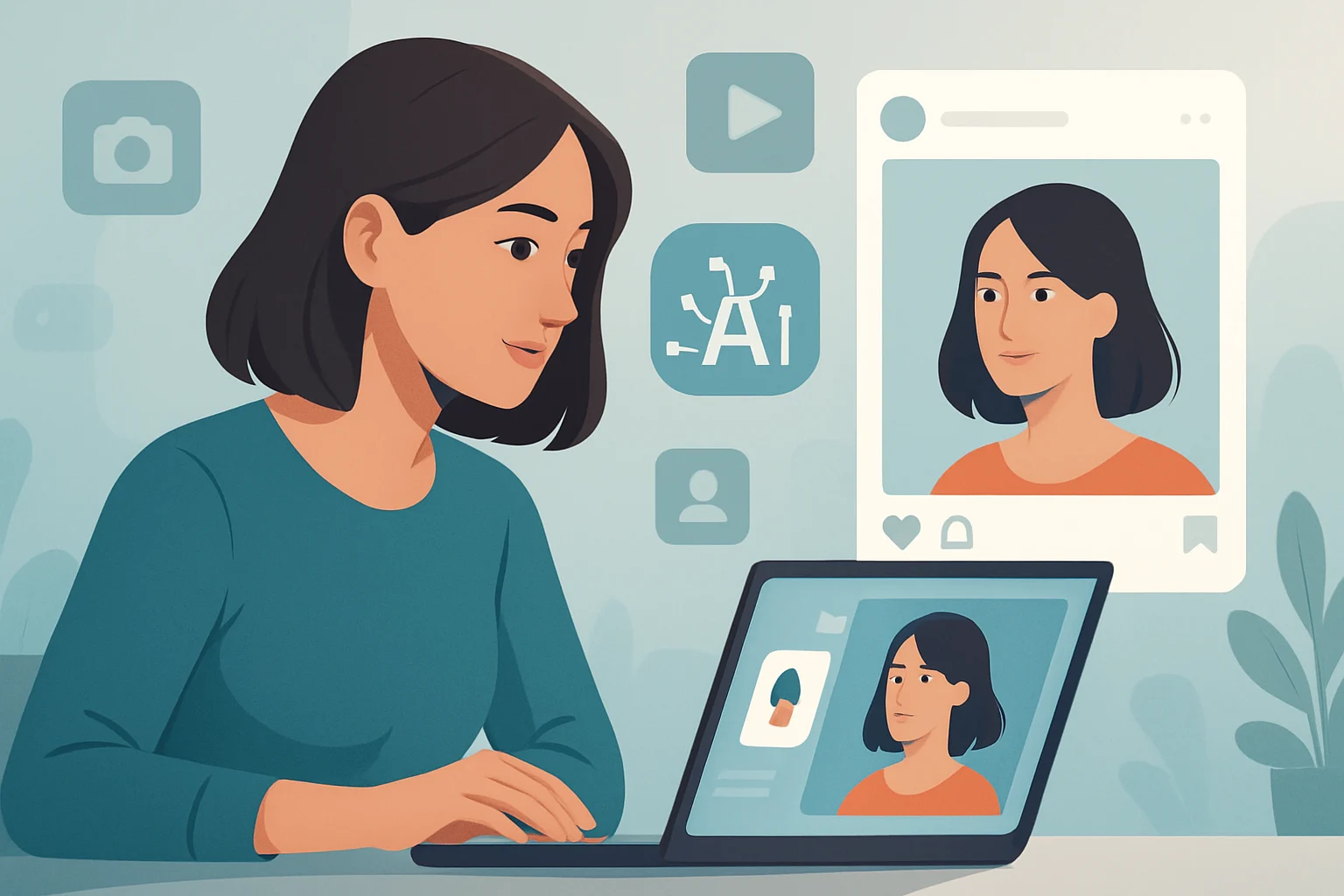
Using AI for visual content creation on social media can transform your marketing strategy, allowing you to produce eye-catching visuals that engage your audience effectively. Imagine having the power to generate stunning graphics, videos, and animations with just a few clicks, all while streamlining your workflow and maximizing your creativity. With the right AI tools, you can elevate your brand's presence, attract new followers, and drive engagement like never before.
As the digital landscape evolves, the demand for high-quality visual content continues to rise. Social media platforms are saturated with posts vying for attention, making it essential for brands to stand out. AI-driven visual content creation not only saves time and resources but also enables marketers to harness data and insights to craft compelling visuals that resonate with their target audience.
In this guide, we will explore how to leverage AI for visual content creation on social media, including the tools available, best practices, and what the future holds for this innovative approach.
Key Takeaways
- AI tools can significantly reduce the time needed for content creation.
- Visual content is crucial for social media engagement and brand recognition.
- Understanding your audience is essential for effective AI-generated visuals.
- Measuring success with analytics is vital for optimizing AI content.
- Emerging technologies will continue to shape the future of visual content creation.
What is AI-Driven Visual Content Creation?
AI-driven visual content creation refers to the use of artificial intelligence technologies to generate and optimize images, videos, and other visual elements for digital platforms. This process encompasses a range of techniques, including machine learning, natural language processing, and computer vision, all aimed at enhancing creativity and efficiency in content production.
The importance of visual content in social media cannot be overstated. According to research, posts with images receive 94% more views than those without. Additionally, visual content is processed 60,000 times faster by the brain compared to text. This emphasizes the need for brands to invest in high-quality visuals that capture attention and convey their messages effectively.
Examples of AI-driven visual content include personalized ads that adapt based on user behavior and AI-generated illustrations that can be tailored to specific themes or trends. Such innovations not only enhance the creativity of marketing campaigns but also ensure that content remains relevant and engaging.
How Does AI Enhance Visual Content Creation?
AI technologies enhance visual content creation through various methods, allowing for faster and more effective production. Here are some key AI technologies used in this field:
- Image Generation: Tools like DALL-E and Midjourney create unique images based on textual descriptions, allowing marketers to visualize concepts quickly.
- Video Editing: AI-driven platforms like Magisto and Lumen5 automate video creation, making it easier to produce engaging content from blogs and other text-based sources.
- Design Assistance: Applications like Canva and Adobe Spark utilize AI to suggest design elements, layouts, and color schemes tailored to brand identities.
The benefits of using AI for content creation include:
- Efficiency: Reduce the time spent on manual design processes, enabling marketers to focus on strategy and storytelling.
- Personalization: Generate tailored visuals that resonate with specific audience segments, enhancing the relevance of marketing efforts.
- Cost-Effectiveness: Lower the need for hiring professional designers, especially for small businesses or startups.
- Consistency: Maintain brand identity across various visual content, ensuring that all visuals reflect the same quality and style.
Step-by-Step Guide on How to Use AI for Visual Content Creation
To effectively harness AI for your visual content strategy, follow these steps:
1. Choosing the Right AI Tools for Your Needs
Select tools based on your goals, budget, and the type of content you wish to create. Consider factors such as:
- User-friendliness: Is the tool easy for your team to adopt?
- Available features: Does it offer the functionalities you require (e.g., image generation, video editing)?
- Integration with existing workflows: Can it seamlessly work with your current tools and processes?
- Pricing structures: Does it fit within your budget while offering value for money?
2. Creating a Content Strategy
Develop a solid content strategy that includes:
- Audience Analysis: Understand your target audience's interests and preferences. Utilize social media analytics tools to gather insights about what types of content your audience engages with most.
- Content Calendar: Plan your visuals according to key dates and events. This ensures timely and relevant content that aligns with audience interests.
- Visual Style Guide: Define the look and feel of your brand’s visuals, including fonts, color palettes, and imagery styles. This guide will help maintain consistency across all platforms.
3. Experimentation and Adaptation
Once you have chosen your tools and established a strategy, it's crucial to iterate and adapt based on performance. Experiment with different formats, styles, and messages. Use A/B testing to determine what resonates best with your audience.
Top AI Tools for Visual Content Creation on Social Media
Here is a list of recommended AI tools along with a brief comparison of their features and pricing:
-
Canva
- Features: Extensive library of templates, design suggestions powered by AI, collaborative tools for team projects.
- Pricing: Free tier available; Pro version at $12.95/month.
-
DALL-E
- Features: Text-to-image generation, highly customizable outputs, impressive artistic capabilities.
- Pricing: Pay-per-image model; varies based on usage.
-
Lumen5
- Features: AI video creation from text content, stock media library, customizable templates to suit different themes.
- Pricing: Plans start at $19/month.
-
Midjourney
- Features: Artistic image generation based on community-driven prompts, unique stylistic options.
- Pricing: Subscription-based; starts at $10/month.
-
Magisto
- Features: Automated video editing with themed templates, easy integration with social media platforms.
- Pricing: Basic plan at $4.99/month.
Best Practices for Using AI in Social Media Visual Content
To optimize your AI-generated content, consider these tips:
- Maintain Authenticity: Ensure that AI-generated visuals align with your brand voice and values. Authenticity builds trust and fosters stronger connections with your audience.
- Test and Iterate: Experiment with different visuals and analyze their performance to see what resonates best with your audience. Use insights from previous campaigns to refine future content.
- Leverage Data: Use insights from analytics to refine your visual strategy. Understanding what works and what doesn’t can help you make informed decisions moving forward.
Common Pitfalls to Avoid
- Over-Reliance on AI: While AI is a powerful tool, don’t neglect the human touch in your content. Personal stories and emotional connections still play a crucial role in effective marketing.
- Ignoring Audience Feedback: Listen to your audience's responses to improve future content. Engaging with your audience through comments and direct messages can provide valuable insights.
- Neglecting Quality Control: Ensure that all generated visuals are polished and professional. Low-quality images or poorly edited videos can undermine your brand’s reputation.
Measuring the Success of AI-Generated Visual Content
To evaluate the effectiveness of your AI-generated visual content, focus on these key metrics:
- Engagement Rates: Likes, shares, and comments provide insight into audience interaction. A higher engagement rate indicates that your content resonates well with the audience.
- Reach and Impressions: Measure how many users saw your content. This data helps you understand your content's visibility and effectiveness in reaching potential followers.
- Conversion Rates: Track how visual content influences user actions, such as clicks and purchases. Understanding conversion rates can help you gauge the ROI of your visual content efforts.
Tools for Analytics
Utilize tools like Google Analytics, Hootsuite, or Sprout Social to gather data and insights on your visual content’s performance. These platforms offer comprehensive analytics that can help you make data-driven decisions.
Future Trends in AI and Visual Content Creation
As technology continues to evolve, several emerging trends are shaping the future of AI in visual content creation:
- Augmented Reality (AR): AI can create interactive visual experiences that enhance user engagement. Brands are beginning to adopt AR for immersive advertising and marketing campaigns, allowing users to interact with products in real-time.
- Deep Learning: Improved algorithms will enable more realistic image and video generation, further blurring the lines between human-created and AI-generated content.
- Automated Content Personalization: AI will increasingly tailor visuals based on individual user preferences, ensuring that users receive personalized content tailored to their interests and past behaviors.
Predictions for the future of AI in social media suggest a shift towards more immersive, personalized, and interactive visual content, ensuring that brands remain relevant and engaging.
Frequently Asked Questions
What are the benefits of using AI for visual content?
Using AI for visual content creation streamlines workflows, enhances creativity, reduces costs, and allows for personalized content tailored to audience preferences.
How can AI tools improve social media marketing?
AI tools improve social media marketing by automating content creation, optimizing visuals for engagement, and providing analytics for better decision-making.
What types of visual content can AI create?
AI can create a variety of visual content, including images, videos, infographics, animations, and even interactive graphics.
Can AI-generated content be customized?
Yes, many AI tools allow for customization based on specific brand guidelines, audience preferences, and marketing goals.
How do I measure the effectiveness of AI-generated visuals?
Effectiveness can be measured through engagement rates, reach, impressions, and conversion metrics, using analytics tools for insights.
Conclusion
Harnessing AI for visual content creation on social media can drastically enhance your marketing efforts. By selecting the right tools, creating a solid strategy, and measuring your success, you can produce compelling visuals that engage your audience.
- Understand your audience for better content targeting.
- Choose the right AI tools that fit your needs and budget.
- Optimize your visuals by following best practices.
- Measure success to continuously improve your strategy.
Take Your Content to the Next Level
Ready to revolutionize your visual content strategy? Explore the AI tools mentioned in this guide and start creating stunning, engaging visuals that captivate your audience today! Embrace the power of AI and watch as your social media presence flourishes, driving engagement and fostering a deeper connection with your target audience.