
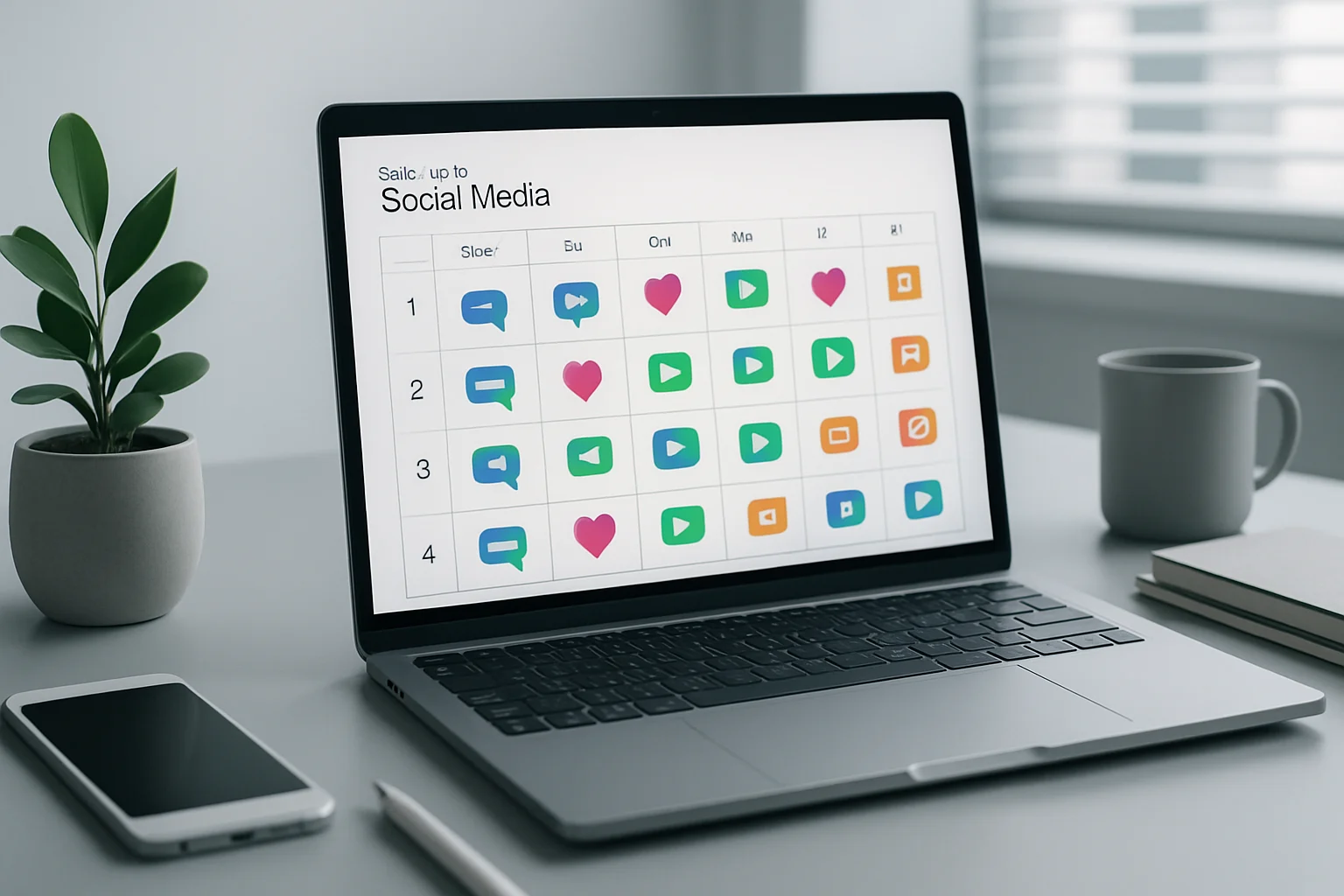
In today’s digital landscape, social media has become a cornerstone for businesses looking to engage with customers, build brand awareness, and drive sales. However, for small businesses juggling multiple responsibilities, navigating the complex world of social media can feel overwhelming. This is where a social media content calendar comes into play, offering a structured approach to managing posts and ensuring that your social media efforts are both strategic and effective.
A social media content calendar is essentially a planned schedule for your social media posts, outlining content types, platforms, dates, and times. By utilizing a content calendar, small businesses can streamline their posting schedules, maintain a consistent brand voice, and align their social media activities with overarching business goals. This proactive approach not only saves time but also transforms reactive posting into a strategic plan, which is crucial for small businesses operating with limited resources.
With a variety of tools available and the potential for significant impact, having a social media content calendar is not just a luxury—it's a necessity. If you are a small business owner looking to optimize your social media strategy, this article will guide you through the benefits of a content calendar and provide you with a free template tailored for your needs.
Key Takeaways
- A social media content calendar helps small businesses post consistently and strategically.
- Using a content calendar saves time and aligns social media efforts with business goals.
- Our free template is customizable, user-friendly, and designed for small business needs.
- Engaging content types keep your audience interested and connected.
- Avoid common pitfalls like over-scheduling and neglecting analytics to maximize your strategy.
What is a Social Media Content Calendar and Why Do Small Businesses Need One?
A social media content calendar is a structured timeline that maps out your planned social media posts. It encompasses the type of content you wish to share, the platform on which it will be posted, and the specific dates and times for each post. This tool is particularly vital for small businesses, as it assists in creating a cohesive strategy that aligns with business objectives.
Benefits of a Content Calendar for Small Businesses
- Consistent Posting: Regular posting helps maintain visibility and engagement with your audience.
- Time-Saving: By planning content in advance, you can allocate time for other critical business functions.
- Brand Voice Maintenance: A calendar aids in ensuring that all posts reflect your brand’s identity and messaging.
- Strategic Alignment: It allows for alignment with marketing campaigns, product launches, and seasonal promotions.
Transitioning from reactive posting to a proactive, strategic approach is essential for small businesses, especially those with limited resources.
The Core Benefits of Strategic Social Media Planning for Small Businesses
Implementing a strategic social media plan offers numerous benefits for small businesses, including:
- Enhanced Engagement: By planning ahead, you can create more engaging and relevant content that resonates with your audience.
- Better Performance Tracking: A content calendar allows you to analyze which types of posts yield the best results.
- Resource Optimization: With a clear plan, you can make efficient use of team members’ skills and time.
- Crisis Management: Planning allows for better handling of unexpected events or trends.
“Failing to plan is planning to fail.” – Alan Lakein
Introducing Your Free Social Media Content Calendar Template for Small Businesses
Our free social media content calendar template is specifically designed to meet the unique needs of small businesses. It simplifies the content planning process by providing sections for:
- Content Ideas: Brainstorm potential topics and themes.
- Platform-Specific Adaptations: Tailor your content to fit each social media platform's requirements.
- Scheduling: Organize when and where to post.
- Performance Tracking: Keep tabs on how well your posts are performing.
This user-friendly template is customizable, making it a perfect fit for various business types and marketing objectives.
Key Features of an Effective Social Media Planning Tool
An effective content calendar should have the following features:
- User-Friendly Interface: An easy-to-navigate layout allows for quick updates and changes.
- Collaboration Options: Enables team members to contribute ideas and schedules.
- Flexibility: Adapts to changes in strategy or sudden content opportunities.
- Analytics Integration: Tracks performance metrics directly from the calendar.
How to Use Your Free Template: A Step-by-Step Guide to Social Media Planning
Creating a social media strategy using your free template involves several steps:
Step 1: Define Your Goals and Audience
Identify who your target audience is and what you want to achieve through your social media efforts. Consider the following:
- Demographics: Age, gender, location, and interests.
- Business Goals: Brand awareness, lead generation, customer engagement, etc.
Step 2: Brainstorm Content Pillars and Ideas
Develop content pillars that guide your posting strategy. Consider varying content types such as:
- Educational Posts: Share tips, tutorials, or industry insights.
- Promotional Content: Highlight products, sales, or special offers.
- Entertainment: Post memes, quotes, or fun facts.
- Inspirational Content: Share success stories or motivational quotes.
Step 3: Schedule and Optimize for Each Platform
Once you have your content ideas, start populating your calendar:
- Schedule Posts Consistently: Choose a posting frequency that works for your audience and resources.
- Optimize for Each Platform: Adapt your content style for the specific characteristics of each social media platform.
Filling Your Calendar: Engaging Content Ideas for Small Businesses
To keep your audience engaged, consider varying your content types. Here are a few ideas:
- User-Generated Content: Feature content created by your customers.
- Behind-the-Scenes Glimpses: Showcase your team or production processes.
- Local Community Spotlights: Highlight local events or businesses.
Additionally, you can repurpose existing content into bite-sized social media snippets, such as turning blog posts into infographics or quote graphics.
Content Categories to Keep Your Audience Hooked
To maintain audience interest, consider categorizing your content into:
- Informational: Tips, how-tos, and industry news.
- Promotional: Special offers, product launches, and events.
- Engaging: Polls, questions, and interactive content.
- Community-Driven: Local spotlights and user-generated content.
Leveraging Trends and Timely Content
Stay relevant by leveraging current trends and events. This can include:
- Seasonal Posts: Align your content with holidays or seasonal events.
- Trending Topics: Engage with trending hashtags or news relevant to your industry.
Maximizing Your Social Media Strategy: Tips Beyond the Calendar
While a content calendar is crucial, consider these additional strategies to enhance your social media presence:
- Engage with Your Audience: Respond to comments and messages promptly.
- Utilize Analytics: Regularly check performance metrics to refine your strategy.
- Experiment with Ads: Consider paid promotions for broader reach.
Engaging with Your Audience: The Two-Way Street of Social Media
Social media is inherently interactive. Engage with your audience by:
- Responding to Comments: Show appreciation for feedback and questions.
- Hosting Live Q&A Sessions: Foster a stronger connection with your audience.
- Running Contests or Giveaways: Encourage participation and increase visibility.
Analyzing Performance and Adapting Your Strategy
Regularly assess your social media performance. Key metrics to analyze include:
- Engagement Rates: Likes, shares, and comments.
- Reach and Impressions: How many users saw your posts.
- Conversion Rates: How many visitors took a desired action after interacting with your content.
By understanding these metrics, you can adapt your strategy accordingly.
Common Mistakes Small Businesses Make with Social Media Calendars (and How to Avoid Them)
Despite the advantages, small businesses often make mistakes when managing their social media calendars. Here are some common pitfalls:
Over-scheduling vs. Under-scheduling
- Over-scheduling can lead to burnout and diluted content quality.
- Under-scheduling may result in inconsistent posting and lost engagement.
Neglecting Analytics and Engagement
Ignoring performance analytics can prevent you from understanding what works. Regularly review your analytics and adjust your strategy based on these insights.
Conclusion: Empower Your Small Business with Strategic Social Media
In conclusion, a social media content calendar is an invaluable tool for small businesses aiming to optimize their online presence. By planning strategically, you can save time, engage your audience effectively, and drive business results.
- A content calendar facilitates consistent posting.
- It allows small businesses to align social media efforts with broader goals.
- Engaging content types keep your audience interested.
Take Your Content to the Next Level
Ready to elevate your social media game? Download our free social media content calendar template today and start planning your path to success!
Frequently Asked Questions
What should a small business post on social media?
Small businesses should post a mix of promotional content, educational posts, behind-the-scenes glimpses, and user-generated content to keep their audience engaged.
How do I create a social media content calendar?
Start by defining your goals and audience, brainstorming content ideas, and then scheduling posts consistently across chosen platforms using a template.
Is there a free social media calendar?
Yes, there are several free templates available online, including the one we offer specifically designed for small businesses.
How often should small businesses post on social media?
Frequency can vary, but a general guideline is to post at least 3-5 times a week to maintain engagement without overwhelming your audience.
What is a good content calendar example?
A good content calendar includes sections for post dates, content type, platform, and performance metrics, allowing for comprehensive planning and tracking.
What are the best social media platforms for small businesses?
The best platforms often include Facebook, Instagram, Twitter, and LinkedIn, depending on your target audience and business type.