
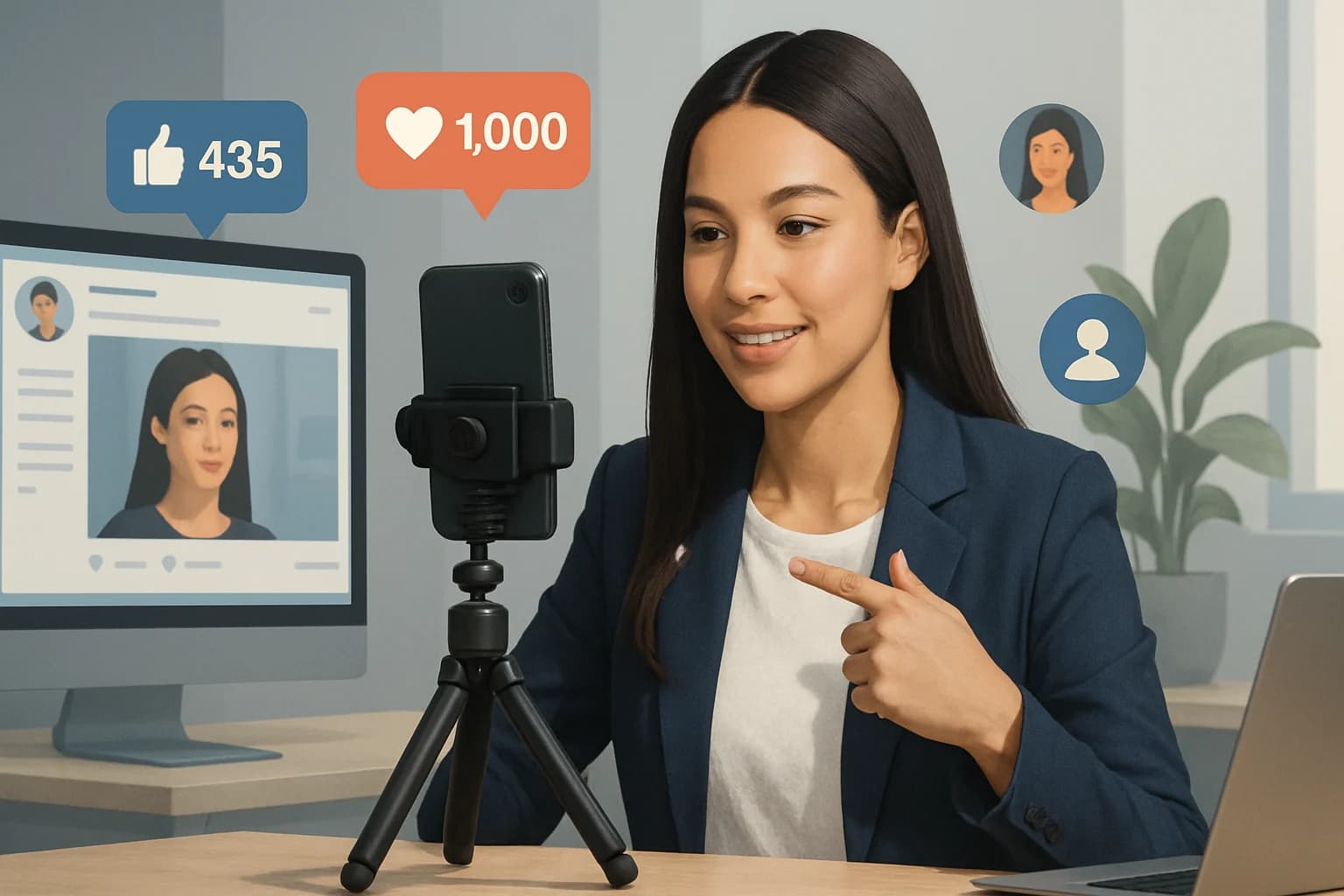
Influencer marketing on social media has evolved into a powerful strategy that can transform brands and drive significant engagement. By collaborating with influential figures, businesses can tap into established audiences and create authentic connections. When executed correctly, this approach can lead to increased brand awareness, customer loyalty, and ultimately, higher sales.
As consumers grow increasingly skeptical of traditional advertising, leveraging influencer marketing offers a way to connect with potential customers through trusted voices. In this guide, you will learn how to effectively utilize influencer marketing to enhance your brand presence on social media platforms, leading to meaningful results.
Key Takeaways
- Influencer marketing leverages trusted voices to build brand credibility and reach targeted audiences.
- Identifying the right influencers involves analyzing their niche, engagement rates, and audience demographics.
- Successful partnerships require clear communication, mutual goals, and creative collaboration.
- Measuring success is crucial; track metrics like engagement, reach, and conversions to assess effectiveness.
- Avoid common pitfalls such as choosing influencers solely based on follower count or failing to maintain transparency.
What is Influencer Marketing and Why Does it Matter?
Influencer marketing is a form of social media marketing that focuses on using key leaders to drive your brand's message to a larger market. Rather than marketing directly to a large group of consumers, you inspire, hire, or pay influencers to get the word out. This strategy is particularly relevant in today's digital landscape, where trust and authenticity are paramount.
In the current environment, consumers are bombarded with advertisements. According to recent studies, over 90% of consumers trust recommendations from friends and family, while only about 33% trust ads. Thus, influencer marketing serves as a bridge between brands and potential customers, leveraging the credibility of influencers to foster trust.
How to Identify the Right Influencers for Your Brand
Finding the right influencer can significantly impact your campaign's success. Here are some criteria to consider:
- Niche Relevance: Ensure the influencer’s content aligns with your brand values and target audience.
- Engagement Rates: Look beyond follower counts; high engagement often indicates an active and interested audience.
- Authenticity: Choose influencers who genuinely use and believe in your products.
Tools and Methods for Influencer Discovery
Utilize various tools to streamline your influencer search:
- Instagram and TikTok Search: Use hashtags relevant to your industry to find potential influencers.
- Influencer Marketing Platforms: Tools like AspireIQ or Upfluence can help you find and analyze influencers.
- Social Listening Tools: Monitor conversations around your brand or industry to identify who is talking about you.
What Are the Key Strategies for Successful Influencer Partnerships?
Creating successful partnerships with influencers involves more than just sending out products. Here’s how to establish fruitful collaborations:
Types of Influencer Collaboration
- Product Reviews: Influencers share their experiences with your products, providing credibility.
- Sponsored Posts: Pay influencers to create content featuring your brand.
- Giveaways: Collaborate on contests that encourage engagement and increase visibility.
Best Practices for Establishing Partnerships
- Clear Communication: Set expectations from the start to avoid misunderstandings.
- Creative Freedom: Allow influencers to present your brand in their unique style, which resonates better with their audience.
- Setting Goals: Define what success looks like for both parties, whether it’s sales, website traffic, or brand awareness.
"Successful influencer marketing is about building relationships, not just transactions." - Social Media Strategist
How to Measure the Impact of Influencer Marketing
To ensure your influencer marketing strategy is effective, you need to track relevant metrics.
Metrics to Track
- Engagement Rates: Likes, comments, shares, and saves can indicate how well your content resonates.
- Reach and Impressions: Assessing the number of unique users who see the content helps understand its visibility.
- Conversion Rates: Track how many followers made a purchase or took action after engaging with the influencer's content.
Tools for Measuring Success
- Google Analytics: Monitor traffic and conversions stemming from influencer campaigns.
- Social Media Insights: Platforms like Instagram and Facebook provide analytics on post performance.
- Influencer Marketing Platforms: Use dedicated tools to measure ROI and engagement rates.
What Are the Common Mistakes to Avoid in Influencer Marketing?
To maximize your influencer marketing efforts, avoid these pitfalls:
- Choosing Influencers Based on Follower Count Alone: Quality matters more than quantity; focus on engagement and relevance.
- Neglecting Contracts: Always formalize agreements to protect both parties.
- Lack of Strategy: Every campaign should have clear objectives and a defined target audience.
- Ignoring Audience Insights: Understand the influencer’s audience before collaborating to ensure alignment with your brand.
How to Mitigate Risks
- Conduct Thorough Research: Vet potential influencers to ensure their values align with your brand.
- Engage in Open Communication: Foster a collaborative relationship where feedback is encouraged.
- Monitor Content: Keep track of what influencers post about your brand to ensure alignment and appropriateness.
How to Create Compelling Content with Influencers
Collaborative content should be engaging and authentic. Here are some guidelines to follow:
Guidelines for Collaborative Content Creation
- Brainstorm Together: Involve influencers in the content creation process to ensure it reflects their style.
- Leverage User-Generated Content: Encourage influencers to create content that showcases real-life use of your products.
- Utilize Various Formats: Consider videos, stories, and live sessions for dynamic engagement.
Examples of Successful Content Campaigns
- GoPro's User-Generated Content: GoPro encourages users to share their adventures, showcasing the product's capabilities.
- Daniel Wellington's Instagram Strategy: The brand utilizes influencers to post content featuring their watches, often with discount codes to encourage purchases.
How to Stay Compliant with Advertising Regulations
Staying compliant with advertising regulations is crucial for maintaining your brand's integrity.
Overview of Relevant Regulations
- Federal Trade Commission (FTC) Guidelines: Influencers must disclose their relationships with brands.
- Platform-Specific Rules: Each social media platform may have its own rules regarding sponsored content.
Tips for Maintaining Transparency
- Use Clear Disclosures: Phrases like "ad" or "sponsored" should be clearly visible in posts.
- Educate Influencers: Ensure that influencers understand the importance of compliance and transparency.
- Regularly Review Guidelines: Stay updated on changes in advertising regulations to avoid potential pitfalls.
Future Trends in Influencer Marketing
As social media continues to evolve, so will influencer marketing strategies.
Emerging Trends and Technologies
- Micro and Nano Influencers: Brands are increasingly leaning towards smaller influencers who often have higher engagement rates.
- AI and Automation: Technologies that can analyze influencer performance and audience fit will become more prevalent.
- Live Streaming: Real-time engagement through platforms like Instagram Live and TikTok is gaining traction.
Predictions for the Future of Influencer Marketing
Expect a shift towards authenticity and transparency, with brands prioritizing long-term relationships over one-off partnerships. As technology advances, personalized marketing through AI will also reshape how brands connect with influencers.
Frequently Asked Questions
What are the benefits of influencer marketing on social media?
Influencer marketing can enhance brand visibility, foster trust, and drive engagement, leading to increased sales and a loyal customer base.
How do I choose the right platform for influencer marketing?
Consider where your target audience spends their time. Instagram is great for visuals, while TikTok appeals to younger demographics.
What types of influencers should I collaborate with?
Collaborate with influencers whose content aligns with your brand values and who have a genuine connection with their audience, whether they are macro, micro, or nano influencers.
How can I ensure influencer authenticity?
Choose influencers who already use or believe in your products, and look for those who engage with their audience authentically.
What is the average cost of influencer marketing?
Costs can vary widely depending on the influencer's reach, engagement rates, and market niche. Research industry standards to set your budget.
How can I encourage influencers to create high-quality content?
Provide clear guidelines while allowing creative freedom, and maintain open communication to ensure both parties are aligned on expectations.
Conclusion
Influencer marketing is a powerful tool that, when leveraged correctly, can significantly enhance your brand's reach and credibility. To summarize:
- Identify the right influencers based on relevance and engagement.
- Establish clear communication and goals for successful partnerships.
- Measure the impact of your campaigns using relevant metrics.
- Avoid common mistakes by conducting thorough research and maintaining compliance.
By following these steps, you can maximize your influencer marketing efforts and build meaningful connections with your audience.
Take Your Content to the Next Level
Are you ready to enhance your brand's presence through influencer marketing? Start by identifying potential influencers today and develop a strategy that aligns with your goals. Don’t wait; the digital landscape is evolving, and your brand should too!