
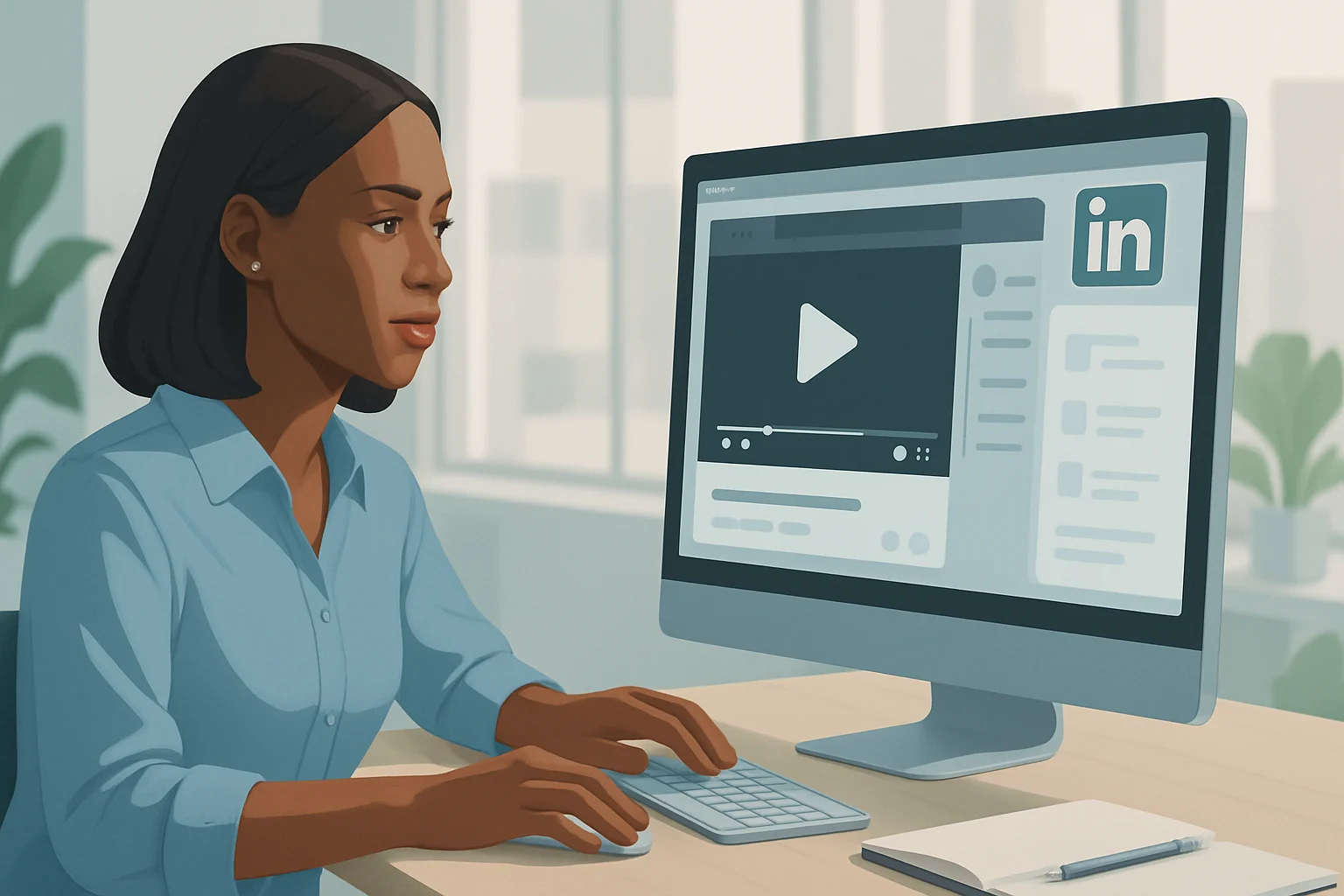
Micro-learning is becoming increasingly relevant in today's fast-paced digital landscape, especially on professional networking platforms like LinkedIn. As professionals seek efficient ways to enhance their skills and knowledge, micro-learning video content has emerged as a powerful tool. By delivering bite-sized information, these videos allow learners to engage with content on their own terms, making it easier to absorb and retain vital skills and concepts.
In an era where attention spans are dwindling, and information overload is common, micro-learning videos provide a much-needed solution. They cater to the busy professional who may not have the time to consume lengthy training sessions or read extensive articles. Instead, they can quickly watch a 1- to 3-minute video that delivers concise, actionable insights. This format not only boosts engagement but also aligns perfectly with the professional development goals of LinkedIn users.
As you navigate the creation of micro-learning video content for LinkedIn, it's essential to understand its definition, importance, and best practices. This article will guide you through effective strategies and innovative content ideas, empowering you to harness the power of micro-learning on LinkedIn effectively.
What is Micro-Learning Video Content and Why Does it Matter?
Micro-learning is an educational approach that focuses on delivering small, easily digestible segments of information. These segments can be in various formats, including videos, quizzes, and infographics. The primary goal of micro-learning is to facilitate quick learning and retention while minimizing cognitive overload.
Importance in Professional Development
In the realm of professional development, micro-learning video content offers numerous benefits:
- Time Efficiency: Professionals are often pressed for time. Micro-learning allows them to learn on the go, fitting education into their busy schedules.
- Enhanced Retention: Studies have shown that shorter, focused content leads to better retention compared to longer formats.
- Flexibility: Learners can access content anytime, anywhere, making it easier to integrate learning into their daily routines.
- Targeted Learning: Micro-learning videos can be tailored to address specific skills or knowledge gaps, ensuring relevance to the viewer.
"Micro-learning transforms the way we engage with educational content, making it easier for professionals to grow in their careers." - Learning Expert
How to Create Effective Micro-Learning Videos for LinkedIn
Creating impactful micro-learning videos requires a strategic approach. Here are essential steps to consider:
Identify Your Audience
Understanding your audience is critical. Consider the following when identifying your target viewers:
- Demographics: Age, profession, industry, and location.
- Learning Styles: Visual, auditory, or kinesthetic preferences.
- Pain Points: What challenges do they face that your content can address?
Define Learning Objectives
Before creating content, outline clear learning objectives. Ask yourself:
- What do you want your audience to learn?
- How will this knowledge benefit them?
- What action should they take after watching the video?
Choose the Right Format
The format of your micro-learning video can significantly impact its effectiveness. Options to consider include:
- Animated videos: Engaging and visually stimulating.
- Live-action clips: Authentic and relatable.
- Screen captures: Ideal for software tutorials.
10 Micro-Learning Video Content Ideas for LinkedIn
Here are ten engaging content ideas that can enhance your micro-learning video strategy on LinkedIn:
- Short Tutorials: Create quick how-to videos that teach a specific skill (e.g., using a software tool).
- Quick Tips and Tricks: Share concise tips related to your industry that can help viewers improve their work processes.
- Case Studies: Present real-world examples of problem-solving that viewers can learn from.
- Expert Interviews: Feature short interviews with industry leaders sharing insights and advice.
- Behind-the-Scenes Looks: Offer viewers a glimpse into your workplace culture or project processes.
- User-Generated Content: Encourage your audience to submit their own videos discussing their experiences with your product or service.
- Infographics in Video: Combine infographics with narration to convey complex information quickly.
- Interactive Polls: Create videos that invite viewer participation through polls or questions.
- Mini-Documentaries: Explore a topic in-depth within a short time frame, making it engaging and informative.
- Event Recaps: Summarize key takeaways from recent events or conferences in a concise format.
Best Practices for Micro-Learning Video Production
To maximize the effectiveness of your micro-learning videos, adhere to these best practices:
Scripting and Storyboarding
- Start with a clear script that outlines your main points.
- Create a storyboard to visualize how the video will flow, ensuring a logical progression of information.
Editing Tips
- Keep your videos short and to the point, ideally under 3 minutes.
- Use engaging visuals and transitions to maintain viewer interest.
- Prioritize high-quality audio and video to enhance professionalism.
Utilizing Captions and Graphics
- Include captions to make your content accessible to a broader audience.
- Use graphics to reinforce key points and aid visual learners.
Measuring the Success of Your Micro-Learning Videos on LinkedIn
To understand the effectiveness of your micro-learning videos, track specific metrics:
Key Metrics to Track
- View Count: Measure how many people watched your video.
- Engagement Rate: Analyze likes, shares, and comments to gauge viewer interaction.
- Completion Rate: Check how many viewers watched the video to its end.
- Click-Through Rate: If applicable, track how many users clicked on links shared in the video.
Tools for Video Analytics
Utilize tools like LinkedIn Analytics, Google Analytics, or third-party platforms like Hootsuite to gain insights into viewer behavior and preferences.
Adjusting Strategy Based on Data
Regularly assess your video performance and adjust your content strategy accordingly. Experiment with different formats and topics to see what resonates best with your audience.
Challenges of Micro-Learning Video Content and How to Overcome Them
While micro-learning offers numerous advantages, it comes with its own set of challenges. Here are common issues and solutions:
Engagement Issues
Challenge: Keeping viewers engaged in short videos can be difficult.
Solution: Start with a hook in the first few seconds to capture attention immediately.
Content Overload
Challenge: Viewers may feel overwhelmed by too much information.
Solution: Focus on one key concept per video to ensure clarity and focus.
Balancing Brevity with Depth
Challenge: Striking the right balance between being concise and providing adequate information.
Solution: Use a structured approach—introduce the topic, provide key insights, and summarize effectively.
Future Trends in Micro-Learning Video Content for LinkedIn
As technology and audience preferences evolve, so too will micro-learning strategies. Here are some emerging trends to watch:
Emerging Technologies
- Virtual Reality (VR): Incorporating VR into micro-learning could enhance immersive experiences.
- Artificial Intelligence (AI): AI-driven analytics can personalize content for users based on their learning habits.
Changing Audience Preferences
- Professionals increasingly favor on-demand content that fits their schedules.
- There is a growing demand for interactive content that engages rather than passively consumes.
Integration with Other Formats
- Combining micro-learning videos with podcasts or written articles can cater to diverse learning preferences and reinforce key messages.
Frequently Asked Questions
What are micro-learning videos?
Micro-learning videos are short, focused video segments designed to teach specific skills or concepts quickly and effectively, typically lasting between 1 to 3 minutes.
Why should I use micro-learning on LinkedIn?
Micro-learning on LinkedIn allows you to engage your audience with concise, relevant content that fits into their busy professional lives, enhancing their learning experience and retention.
How long should micro-learning videos be?
Micro-learning videos should ideally be between 1 to 3 minutes long to maintain viewer attention and ensure information is digestible.
What types of micro-learning content work best on LinkedIn?
Effective micro-learning content for LinkedIn includes short tutorials, expert interviews, case studies, and quick tips tailored to the professional audience.
Key Takeaways
- Micro-learning videos are effective for engaging busy professionals looking for quick education.
- Identifying your audience and defining clear objectives are essential steps in creating impactful content.
- Diverse content ideas, such as expert interviews and short tutorials, can enhance viewer engagement.
- Measuring success through analytics helps refine your strategy for better outcomes.
- Emerging trends in technology and audience preferences will shape the future of micro-learning.
Conclusion
Micro-learning video content is a game-changer for professional development on platforms like LinkedIn. By leveraging this format, you can effectively engage your audience and deliver valuable insights swiftly.
- Focus on identifying your audience and defining clear learning objectives.
- Experiment with diverse content formats to keep your videos fresh and engaging.
- Utilize analytics to measure success and adjust your strategy accordingly.
Take Your Content to the Next Level
Ready to elevate your LinkedIn presence with micro-learning videos? Start implementing these strategies today, and watch your engagement soar!