
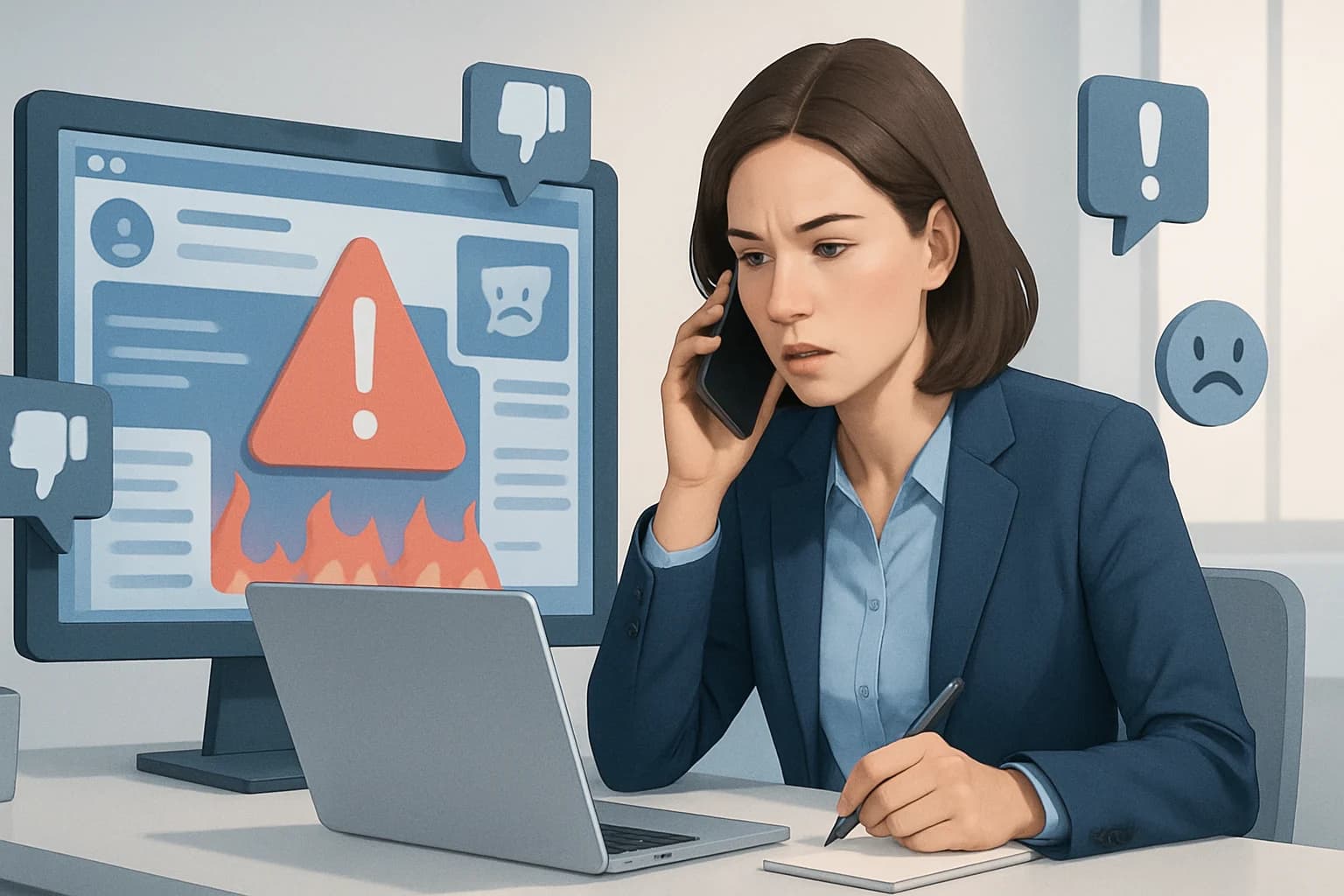
In today's digital landscape, social media serves as a powerful communication tool for brands. However, it also presents unique challenges when crises arise. With information spreading rapidly across platforms, any misstep can lead to severe repercussions for a brand's reputation. Therefore, understanding the intricacies of social media crisis management has never been more crucial.
Effective crisis management allows brands to not only navigate potential pitfalls but also to emerge stronger from challenging situations. As consumers increasingly rely on social media to voice their opinions and experiences, brands must be prepared to respond swiftly and thoughtfully to protect their image and maintain customer trust.
This article will delve into the best practices for social media crisis management, equipping you with the knowledge to handle crises effectively and turn potential disasters into opportunities for growth.
Key Takeaways
- Best practices for social media crisis management is most effective with clear goals and consistent execution.
- Start small by optimizing one platform before scaling to multiple channels.
- Use AI carefully to accelerate drafts, then refine with human review.
- Measure results weekly to improve engagement and conversions.
What is Social Media Crisis Management?
Social media crisis management refers to the strategies and actions a brand takes to handle negative situations that arise on social media platforms. This can include anything from customer complaints, to negative press, or even larger scandals that threaten a brand's reputation.
In an age where a single tweet can ignite a firestorm of backlash, the importance of effective crisis management cannot be overstated. Brands that respond promptly and appropriately can mitigate damage to their reputation and maintain consumer trust.
Examples of Social Media Crises
- A customer service failure that goes viral, leading to public outrage.
- Inappropriate content posted by an employee that reflects poorly on the brand.
- Product recalls or safety issues that generate negative press.
By recognizing these scenarios, brands can better prepare for potential crises.
Why is Effective Crisis Management Essential?
The impact of social media on brand reputation is profound. A single misstep can lead to:
- Widespread backlash: Negative comments can spread quickly, attracting attention from media and influencers.
- Loss of customer trust: A poorly managed crisis can lead to long-lasting damage to a brand's image.
- Financial repercussions: Brand value can decline sharply, leading to lost sales and decreased market share.
Conversely, effective crisis management can enable brands to:
- Maintain control of the narrative: By addressing issues promptly, brands can shape the conversation around the crisis.
- Engage with customers transparently: Open communication fosters trust and loyalty.
- Rebuild trust post-crisis: A well-managed response can enhance a brand's reputation in the long run.
The consequences of poor crisis management can be devastating, making it essential for brands to prioritize a well-structured approach.
How to Prepare for a Social Media Crisis
Preparation is key in crisis management. Here are steps to ensure your brand is ready:
Developing a Crisis Communication Plan
A comprehensive crisis communication plan should include:
- Identifying potential risks: Understand the issues that could arise specific to your industry. For instance, a food brand might face contamination issues, while a tech company could deal with data breaches.
- Designating a crisis management team: Choose individuals responsible for handling crises, including PR, legal, and social media experts. Ensure that each team member understands their role during a crisis.
- Drafting pre-approved messaging: Create template responses for various scenarios to ensure quick responses. This may include statements for product recalls, customer complaints, or public relations issues.
Training Your Team for Crisis Scenarios
Regular training can bolster your team's readiness. Consider:
- Simulated crisis drills: Conduct role-playing exercises to prepare for various crisis scenarios. This can help identify weaknesses in your response strategy.
- Reviewing past crises: Analyze previous incidents to understand what worked and what didn’t. Learning from others can provide valuable insights.
- Updating protocols: Regularly refresh training materials and crisis protocols to ensure your team is equipped with the latest best practices.
Responding to a Social Media Crisis: Step-by-Step Guide
When a crisis hits, follow these steps to respond effectively:
Acknowledging the Crisis
- Timeliness is critical: Respond quickly to show you are aware and taking the issue seriously. Aim to acknowledge the situation within the first hour.
- Be transparent: Acknowledge the situation without attempting to deflect blame. For example, if your brand made a mistake, own up to it.
Crafting a Thoughtful Response
- Empathize with affected parties: Show understanding for those impacted by the issue. A statement like, “We understand how this has affected you and we are truly sorry,” can go a long way.
- Provide clear information: Outline what you are doing to address the crisis. Clarity helps to reduce confusion and anxiety among your audience.
- Invite dialogue: Encourage feedback and open communication with your audience. Provide contact information or direct them to a dedicated forum for further discussion.
"In crisis management, transparency is your most valuable ally." - Crisis Management Expert
Monitoring and Analyzing Social Media During a Crisis
Understanding public sentiment is vital. Use these tools and techniques:
Tools for Monitoring Social Media
- Social listening tools: Tools like Hootsuite, Brandwatch, and Sprout Social help track mentions of your brand. These platforms can provide real-time data on how your brand is perceived during a crisis.
- Sentiment analysis software: Use software to gauge public sentiment toward your brand during a crisis. This can help you identify whether the situation is improving or deteriorating.
Analyzing Sentiment and Public Reaction
- Examine engagement metrics: Look at likes, shares, and comments for insight into how your audience is reacting.
- Identify sentiment trends: Determine if reactions are improving or worsening. This can help you adjust your strategy in real-time.
- Adjust your strategy: Be prepared to adapt your response based on public sentiment. If the majority of comments are negative, consider revising your messaging or approach.
Learning from a Social Media Crisis: Post-Crisis Analysis
After a crisis, it’s essential to assess your response. Here’s how:
Importance of Assessing the Crisis Response
- Identify what worked and what didn’t: Conduct a thorough review of the crisis management process. What elements were effective, and what could be improved?
- Gather feedback from your team: Encourage team members to share insights and suggestions. Diverse perspectives can lead to more comprehensive improvements.
How to Apply Lessons Learned for Future Preparedness
- Update your crisis communication plan: Incorporate lessons learned into your existing protocols. This ensures you are better prepared for future incidents.
- Host a debriefing session: Discuss the crisis as a team to foster collective learning. Create an environment where team members feel comfortable sharing their opinions.
- Refine training materials: Ensure your team is equipped with the latest information and strategies. Regular updates keep your crisis management plan relevant.
Case Studies: Successful Social Media Crisis Management
Examining real-world examples can provide valuable insights. Here are two brands that successfully managed crises:
Example 1: Starbucks
Starbucks faced backlash over a racial incident in one of its stores. The company responded swiftly with:
- Public acknowledgment of the incident, stating they were taking it seriously.
- Implementation of diversity training for employees across all locations.
The result? A commitment to inclusivity that resonated with customers and improved their brand image in the long run.
Example 2: Johnson & Johnson
In the wake of the Tylenol poisoning crisis, Johnson & Johnson effectively managed the situation by:
- Promptly recalling the product and communicating openly with the public about the dangers.
- Taking proactive measures to ensure consumer safety, including introducing tamper-proof packaging.
As a result, Johnson & Johnson was able to rebuild its brand trust and loyalty, ultimately becoming a case study in effective crisis management.
Key Takeaways from these case studies include:
- Swift acknowledgment is crucial in minimizing damage.
- Proactive measures can help rebuild trust and customer loyalty.
- Transparency in communication fosters a positive brand image even in challenging times.
Frequently Asked Questions About Social Media Crisis Management
What is a social media crisis?
A social media crisis occurs when negative situations arise on social media that can damage a brand's reputation, such as a public relations scandal or customer complaints that go viral.
How can brands prevent social media crises?
Brands can prevent crises by establishing clear communication protocols, monitoring social media for potential issues, and training teams to handle situations effectively. Consider implementing a proactive approach to customer service on social media to address issues before they escalate.
What should you do in a social media crisis?
In a social media crisis, brands should acknowledge the issue promptly, communicate transparently, craft a thoughtful response, and invite dialogue with affected parties. Remember, timeliness and empathy are key to effective crisis management.
How long does it take to recover from a social media crisis?
Recovery time varies depending on the severity of the crisis and the brand's response. Some brands may recover within days, while others may take months or even years to restore their reputation. Continuous monitoring and engagement with the audience can expedite the recovery process.
Conclusion
Navigating social media crises requires preparation, timely responses, and ongoing analysis. To summarize:
- Develop a crisis communication plan to prepare your team for potential issues.
- Monitor social media continuously to gauge public sentiment and adjust your strategies accordingly.
- Learn from past crises to improve future responses, ensuring your brand is always evolving.
By implementing these best practices, you can ensure your brand is equipped to handle any crisis that may arise, thereby protecting your reputation and maintaining customer trust.
Take Your Content to the Next Level
Feeling overwhelmed by social media management? Let us help you elevate your brand's online presence. Contact us today for expert guidance and strategies tailored to your needs!