
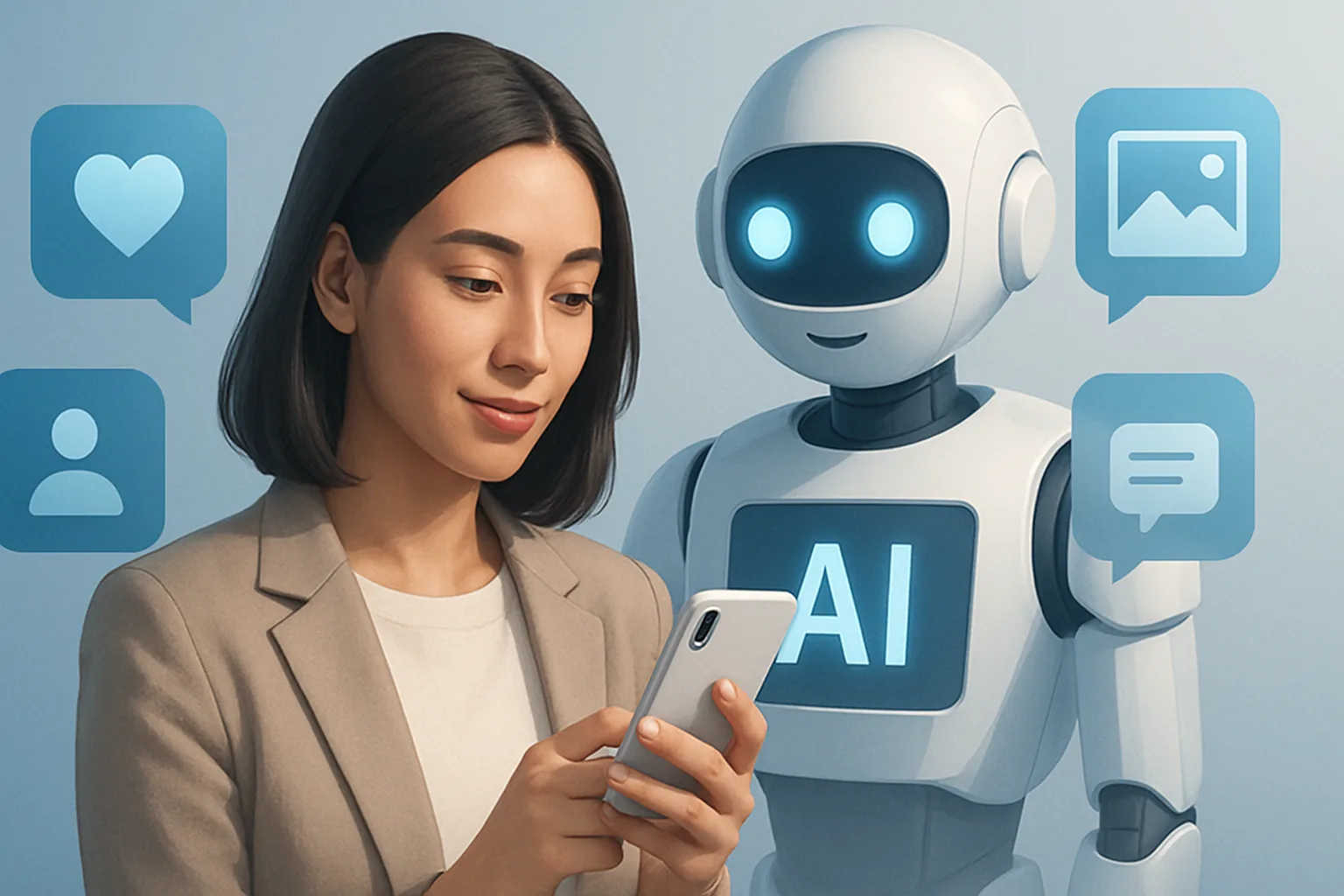
In today’s fast-paced digital world, social media platforms are inundated with content. Every second, millions of posts, images, and videos vie for users' attention. With the sheer volume of information available, the importance of personalization in social media marketing has never been greater. Businesses and brands need to cut through the noise and deliver tailored experiences that resonate with their target audiences. This is where artificial intelligence (AI) comes into play.
AI has revolutionized how marketers approach user engagement by harnessing vast amounts of data to create personalized experiences. From identifying user preferences to predicting future behaviors, AI enables brands to offer content that feels uniquely curated for each individual. As consumers expect more relevant interactions, the integration of AI into social media strategies is not just an option; it’s a necessity.
Key Takeaways
- Using AI for personalized social media experiences is most effective with clear goals and consistent execution.
- Start small by optimizing one platform before scaling to multiple channels.
- Use AI carefully to accelerate drafts, then refine with human review.
- Measure results weekly to improve engagement and conversions.
What is AI in Social Media?
To understand the role of AI in social media, we first need to define what it entails. Artificial Intelligence in social media refers to the use of algorithms and machine learning techniques to analyze user data and create personalized experiences. This encompasses everything from content recommendations to targeted advertising and dynamic content delivery.
The significance of personalization in digital marketing cannot be overstated. Research shows that personalized content can lead to higher engagement rates, increased brand loyalty, and ultimately, better conversion rates. By leveraging AI, brands can ensure their messaging is relevant, timely, and tailored to the unique preferences of their audience.
Examples of AI in Action
- Content Recommendations: Platforms like Netflix and Spotify use AI to analyze user behavior and suggest movies or songs that the user may enjoy based on their past interactions.
- Targeted Advertising: Facebook uses AI algorithms to serve ads that are most likely to resonate with users, based on their interests, demographics, and online behavior.
- Dynamic Content Delivery: Websites can employ AI to change the content displayed based on real-time data, such as location, time of day, or user activity.
How Does AI Personalization Work?
AI personalization is rooted in data—specifically, how data is collected and utilized. Here’s a closer look at the processes involved:
Data Collection Methods
-
User Interactions: Every like, share, comment, and click provides valuable insights into user preferences. For instance, if a user frequently engages with travel-related posts, the platform will prioritize similar content.
-
Behavioral Tracking: Tools like cookies and web beacons track user behavior across platforms, gathering data about interests and habits. This data helps brands create a comprehensive profile of user preferences and behaviors.
-
Demographic Information: Age, gender, location, and other demographic details help tailor content for specific groups. By segmenting audiences based on these factors, brands can craft messages that resonate more deeply.
Algorithms Used for Personalization
AI relies on complex algorithms to process the data collected. These include:
-
Recommendation Systems: Suggest content to users based on their past behavior and similar user profiles. For example, Amazon's "Customers who bought this also bought" feature uses AI to recommend products.
-
Predictive Analytics: Use historical data to forecast future behavior and preferences. This is essential for targeting ads to users who are most likely to convert.
-
Natural Language Processing (NLP): Analyze text inputs (like comments or messages) to gauge sentiment and intent. This helps brands understand how users feel about their products or services and tailor responses accordingly.
Benefits of Using AI for Personalized Social Media Experiences
Adopting AI for personalization in social media offers several key benefits:
-
Increased Engagement: Personalized content encourages users to interact more, boosting likes, comments, and shares. For example, Instagram's personalized feed keeps users engaged by showing posts that align with their interests.
-
Enhanced User Satisfaction: When users receive content that aligns with their interests, their overall experience improves. A satisfied user is more likely to become a loyal customer.
-
Improved Marketing ROI: Targeted ads and personalized messages lead to higher conversion rates, maximizing the return on investment for marketing campaigns. Brands implementing AI-driven personalization often see a significant uplift in sales.
-
Reduced Churn Rates: Users are more likely to remain engaged with brands that consistently provide relevant content. By utilizing AI, brands can anticipate user needs and adapt their strategies accordingly.
"Personalization isn’t just about making things relevant; it’s about creating an experience that feels uniquely tailored to each individual." – Marketing Expert
Top AI Tools for Personalization in Social Media
There are numerous AI tools available that facilitate personalized social media experiences. Here’s an overview of some popular options:
-
Hootsuite Insights: Offers social listening powered by AI to help brands understand audience sentiment. This tool analyzes comments and posts to gauge how users feel about various topics.
-
Sprout Social: Provides analytics and reporting tools that leverage AI for better engagement. It helps brands identify trends and adjust their content strategies in real-time.
-
Buffer: Uses AI to suggest optimal posting times and content types based on audience behavior. This ensures that brands reach their audience when they are most active.
-
Canva: Recently integrated AI features for personalized design suggestions based on user preferences. This allows marketers to create visually appealing content that resonates with their audience.
Comparison of Features and Pricing
| Tool | Features | Pricing |
|---|---|---|
| Hootsuite Insights | Social listening, analytics | Starting at $19/mo |
| Sprout Social | Engagement tools, reporting | Starting at $99/mo |
| Buffer | Scheduling, AI suggestions | Starting at $15/mo |
| Canva | Design suggestions, templates | Free with premium options |
Implementing AI for Personalized Social Media Strategies
To successfully integrate AI into your social media strategy, follow these steps:
Step-by-Step Guide
-
Identify Your Goals: What do you want to achieve with personalization? Increased engagement, better conversions, or enhanced customer loyalty? Clearly defined goals will guide your strategy.
-
Choose the Right Tools: Select AI tools that align with your goals and budget. Research various options and consider trial versions to find the best fit.
-
Collect Data: Gather data through user interactions, behavioral tracking, and demographic information. Ensure that your data collection methods comply with privacy regulations.
-
Analyze and Segment: Use AI algorithms to analyze data and segment your audience based on preferences. This step is crucial for delivering truly personalized content.
-
Create Tailored Content: Develop personalized content strategies that speak directly to the needs and interests of each segment. This could include custom messaging, visuals, and offers.
Best Practices for Implementation
-
Test and Iterate: Regularly test different approaches and adjust based on user feedback and analytics. A/B testing can help determine what resonates best with your audience.
-
Maintain Transparency: Be open about data usage to build trust with your audience. Inform users how their data is being used to enhance their experience.
-
Focus on Quality: Ensure that the personalized content you deliver is of high quality and adds value. Avoid cluttering feeds with irrelevant promotions.
Challenges and Ethical Considerations
While AI presents many opportunities, it also raises challenges and ethical concerns that must be addressed:
Data Privacy Concerns
With increased data collection comes the risk of privacy breaches. Brands must adhere to regulations like GDPR to protect user data. This includes obtaining user consent for data collection and providing options for users to manage their privacy settings.
Bias in AI Algorithms
AI systems can perpetuate biases present in training data. This can lead to unequal treatment of certain user groups, undermining the goal of personalization. Brands should actively work to identify and mitigate biases in their AI systems to ensure fair treatment for all users.
Future Trends in AI Personalization for Social Media
The landscape of AI in social media is ever-evolving. Here are some trends to watch:
-
Emerging Technologies: Innovations in machine learning and deep learning will enhance personalization capabilities, allowing brands to understand user intent with greater accuracy.
-
Increased Use of Chatbots: More brands will adopt AI-powered chatbots for personalized customer interactions, providing instant responses and tailored assistance.
-
Voice and Visual Search: As voice and image recognition technologies improve, they will become integral in creating personalized experiences. Brands will need to optimize their content for these search methods.
-
Real-Time Personalization: AI will enable brands to deliver content in real-time based on user behavior and context. This means that social media feeds will become increasingly dynamic and responsive to individual user needs.
Frequently Asked Questions
What are the advantages of AI in social media?
AI enables brands to deliver personalized content, improve user engagement, and maximize marketing ROI by analyzing vast amounts of data effectively.
How can AI enhance user experience on social media?
By providing tailored content, recommendations, and interactions based on individual preferences and behaviors, AI creates a more engaging and satisfying user experience.
What is the role of data in AI personalization?
Data is the foundation of AI personalization; it informs algorithms that predict user preferences, allowing brands to create relevant and timely content.
Can AI replace human marketers in social media?
While AI can automate many processes, human creativity and emotional intelligence are irreplaceable. AI should be seen as a tool that complements human marketers.
How can brands ensure ethical AI usage in social media?
Brands must prioritize data privacy, transparency in data usage, and actively work to eliminate bias in AI algorithms.
Conclusion
The integration of AI into social media personalization is transforming how brands engage with their audiences. By leveraging data and advanced algorithms, companies can create tailored experiences that resonate deeply with users. As we move forward, the importance of ethical considerations and user trust will shape the future of AI personalization.
- AI enhances user engagement and satisfaction.
- Personalization leads to improved marketing ROI.
- Emerging technologies will drive future trends.
- Data privacy and ethical considerations are crucial.
Take Your Content to the Next Level
Are you ready to enhance your social media strategy with AI? Start exploring AI tools today, and see how you can create personalized experiences that captivate your audience. Whether you're a small business or a large corporation, the right approach can lead to significant improvements in engagement and customer satisfaction. Don't wait—take action now!