
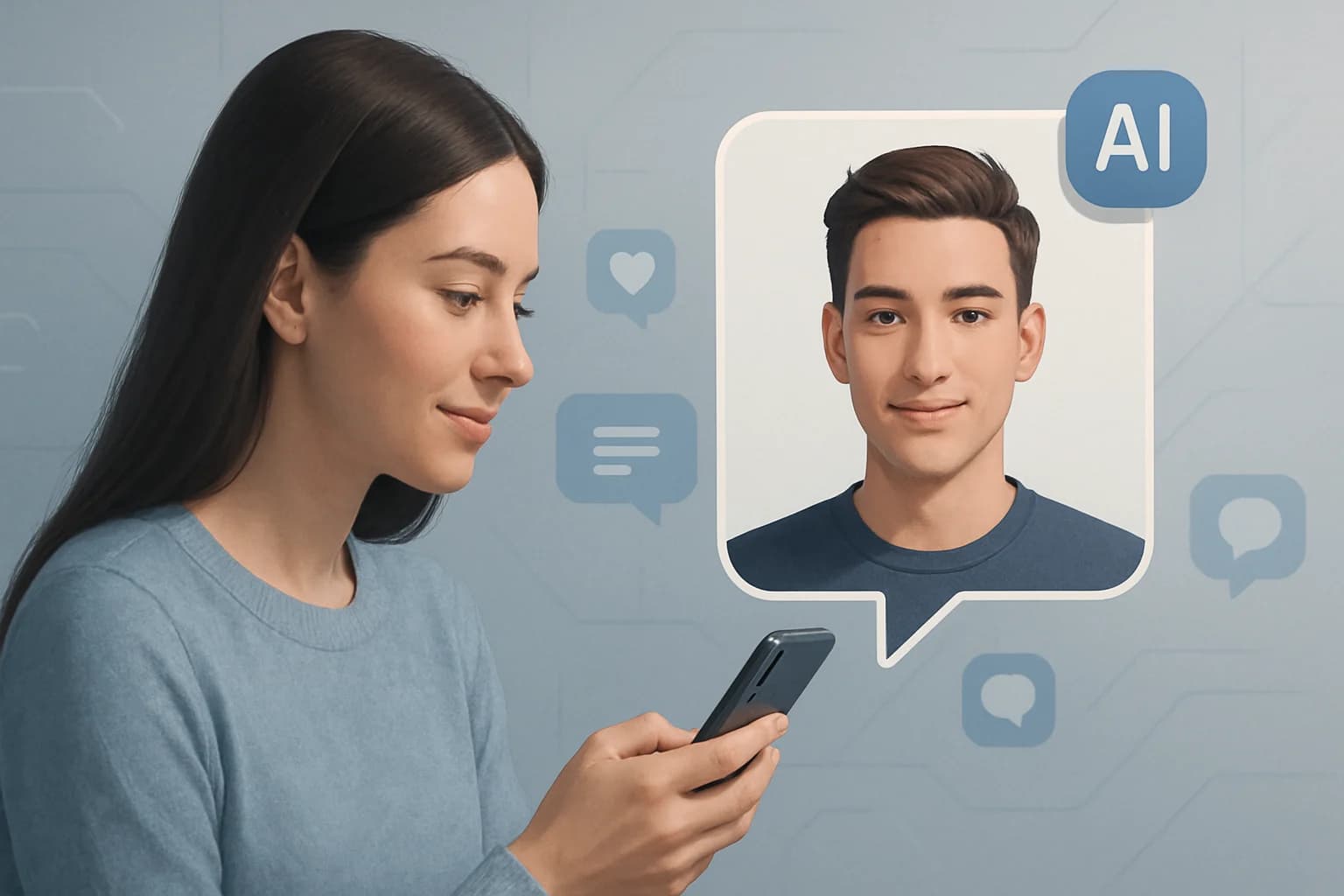
AI technology has rapidly evolved over the past few years, transforming how we interact online. One of the most intriguing developments in this arena is the rise of AI avatars. These digital representations of individuals, powered by artificial intelligence, are becoming essential tools for social media interaction. As more brands and individuals seek to enhance their online presence, understanding how to effectively utilize AI avatars is crucial.
The significance of AI avatars extends beyond mere novelty. In a world where engagement is paramount, these avatars can facilitate personalized connections with audiences, serving as a bridge between users and brands. As social media continues to be a cornerstone of communication, the integration of AI avatars offers a unique opportunity to stand out in a crowded digital landscape.
Key Takeaways
- AI avatars enhance social media interaction by providing personalized engagement.
- Different types of AI avatars, such as 2D and 3D, cater to various branding needs.
- Best practices for using AI avatars include maintaining authenticity and consistency.
- Challenges like privacy concerns need to be addressed to build trust with users.
- The future of AI avatars looks promising with emerging technologies shaping their evolution.
What are AI Avatars and Why Do They Matter?
AI avatars are digital representations of users created using artificial intelligence technologies. These avatars can take many forms, from simple graphics to highly detailed 3D models. They can be animated or static and often incorporate elements that reflect the personality or branding of the user.
In social media interaction, AI avatars matter because they provide a unique way to communicate and engage with audiences. By using avatars, brands can create a distinct identity, allowing them to connect with users on a more personal level. This connection is especially important in an era where consumers crave authenticity and relatability from the brands they follow.
For instance, brands can use AI avatars to create virtual customer service representatives that interact with users in real-time, providing immediate responses to inquiries. This not only enhances the user experience but also showcases the brand's commitment to customer satisfaction.
Types of AI Avatars
There are several types of AI avatars, each serving different purposes and catering to various audience preferences.
2D vs 3D Avatars
- 2D Avatars: These are flat images often used in social media posts, profile pictures, or as part of marketing graphics. They are generally easier and quicker to create, making them accessible for brands with limited resources.
- 3D Avatars: More complex and dynamic, 3D avatars can be animated and used in virtual environments. They are often employed in gaming, virtual reality, or sophisticated marketing campaigns, providing a more immersive experience for users.
Choosing between 2D and 3D avatars depends on the brand’s goals and the target audience’s preferences. For example, a tech company may opt for a 3D avatar to showcase its innovative products in a more engaging manner.
Animated vs Static Avatars
- Animated Avatars: These avatars can move and express emotions, making them more engaging. They are ideal for video content, live streams, and interactive posts, where conveying emotion and personality is key to capturing audience interest.
- Static Avatars: While they lack movement, static avatars can still convey strong branding messages through design elements. They are often used in profile images and promotional materials, where a clear and consistent visual identity is essential.
Each type of avatar can serve a unique role in a brand’s overall social media strategy, allowing for tailored messaging and audience engagement.
How to Use AI Avatars for Social Media Interaction
Implementing AI avatars into your social media strategy can be straightforward if you follow these steps:
- Define Your Brand Identity: Determine what message you want your avatar to convey. Consider your target audience and brand values. For instance, a playful and youthful brand might opt for a vibrant and fun avatar, while a luxury brand may choose a more sophisticated design.
- Choose the Type of Avatar: Decide whether a 2D or 3D avatar best suits your goals. Think about the medium where your avatar will be used. For example, if you plan to host virtual events, a 3D avatar might be more effective.
- Create the Avatar: Use AI software or platforms that specialize in avatar creation, such as Adobe Character Animator or Zmoji. Make sure the design aligns with your brand identity, incorporating colors, features, and styles that reflect your brand’s essence.
- Integrate with Your Content: Use the avatar in posts, stories, and videos. Ensure consistency in its application across different platforms to reinforce brand recognition and recall.
- Engage Your Audience: Encourage interaction with your avatar through polls, Q&A sessions, or live demonstrations. For instance, you can host a live chat where your avatar answers questions while providing valuable insights about your brand.
Best Practices for Engagement
- Maintain Authenticity: Ensure your avatar reflects your brand’s voice and personality. This authenticity builds trust and relatability with your audience.
- Encourage Interaction: Use your avatar to initiate conversations, ask questions, and respond to comments. For example, creating a campaign where users can interact with the avatar can lead to higher engagement rates.
- Adapt to Feedback: Monitor user engagement and be willing to tweak your avatar based on audience reactions. Use analytics to understand what resonates most with your audience and adjust your strategy accordingly.
Benefits of Using AI Avatars
Utilizing AI avatars can yield numerous benefits for brands and individuals alike.
- Enhanced Engagement: Avatars can capture attention more effectively than standard images or text, leading to higher interaction rates. For example, posts featuring animated avatars tend to receive more likes and shares compared to traditional graphics.
- Personalization: They allow for tailored communication, making users feel valued and understood. Personalized avatars that reflect user preferences can create stronger emotional connections.
- Branding Opportunities: A unique avatar can become a recognizable symbol for your brand, fostering loyalty and recognition. Think about the way certain brands use mascots; avatars can serve a similar purpose in the digital space.
Challenges and Considerations
While the potential of AI avatars is significant, there are challenges to consider:
- Privacy Concerns: Users may be wary of how their data is used to create avatars, necessitating transparent policies. Brands must ensure that they comply with data protection regulations and clearly communicate how user data is utilized.
- Technical Barriers: Not everyone has access to the technology required to create and implement AI avatars effectively. Brands should consider the technical capabilities of their target audience when designing avatars.
Future Trends of AI Avatars in Social Media
The landscape of AI avatars is continually evolving. Some emerging trends include:
- Increased Realism: Advancements in AI technology will allow for more lifelike avatars, enhancing user experience. As facial recognition and animation technologies improve, avatars will be able to convey emotions and reactions more accurately.
- Integration with Virtual Reality: As VR technology progresses, avatars will play a crucial role in immersive social experiences. Brands may use avatars to host virtual events, allowing users to interact in real-time in a virtual space.
- Personalized AI: Future avatars may adapt and change based on user interactions and preferences, creating a highly personalized experience. This could involve avatars that learn from user behavior and evolve to better meet their needs.
"The future of AI avatars is not just in their visual appeal, but in their ability to create deeper, meaningful connections with users." — Tech Industry Expert
Case Studies: Successful Use of AI Avatars
Several brands have effectively leveraged AI avatars to enhance their social media presence. Here are a few notable examples:
- Lil Miquela: This digital influencer has garnered millions of followers on Instagram, showcasing the potential of 3D avatars in influencer marketing. Lil Miquela blends artistry and technology, interacting with her followers and promoting brands in an authentic manner.
- Coca-Cola: The brand used animated avatars in a recent campaign, engaging users with interactive content that encouraged sharing. By leveraging their avatars in social media challenges, they increased user participation and brand visibility.
- Nike: By implementing avatars in their marketing strategies, Nike has successfully connected with younger audiences, creating relatable content. Their use of avatars in social media ads resonates with Gen Z, who appreciate authenticity and creativity.
Lessons Learned
- Authenticity is Key: Brands that maintain a genuine persona with their avatars tend to resonate better with audiences. This means being transparent about the use of avatars and ensuring they align with brand values.
- Engagement Drives Success: Interactive content featuring avatars leads to higher user participation and loyalty. Brands should prioritize creating engaging experiences that invite audience interaction.
Frequently Asked Questions
What are AI avatars?
AI avatars are digital representations powered by artificial intelligence, used for various applications, including social media interaction.
How can AI avatars enhance social media interaction?
They provide a personalized way to engage with audiences, fostering deeper connections and improving brand recognition.
What are the best practices for using AI avatars?
Maintain authenticity, encourage interaction, and adapt based on audience feedback to maximize engagement.
What are the challenges of using AI avatars?
Privacy concerns and technical barriers can hinder effective implementation and user trust.
What is the future of AI avatars in social media?
The future includes more realistic avatars and integration with virtual reality, enhancing user experience and engagement.
Conclusion
In summary, AI avatars offer an innovative approach to social media interaction, providing unique opportunities for engagement and branding. Here are the key points to remember:
- AI avatars enhance personalization in communication.
- Different types of avatars can be utilized based on brand needs.
- Best practices ensure effective engagement and authenticity.
- Challenges such as privacy and technology must be navigated carefully.
Take Your Content to the Next Level
Are you ready to explore the potential of AI avatars for your social media strategy? Embrace this cutting-edge technology to create dynamic, engaging content that resonates with your audience. Start experimenting with AI avatars today and watch your online presence transform!