
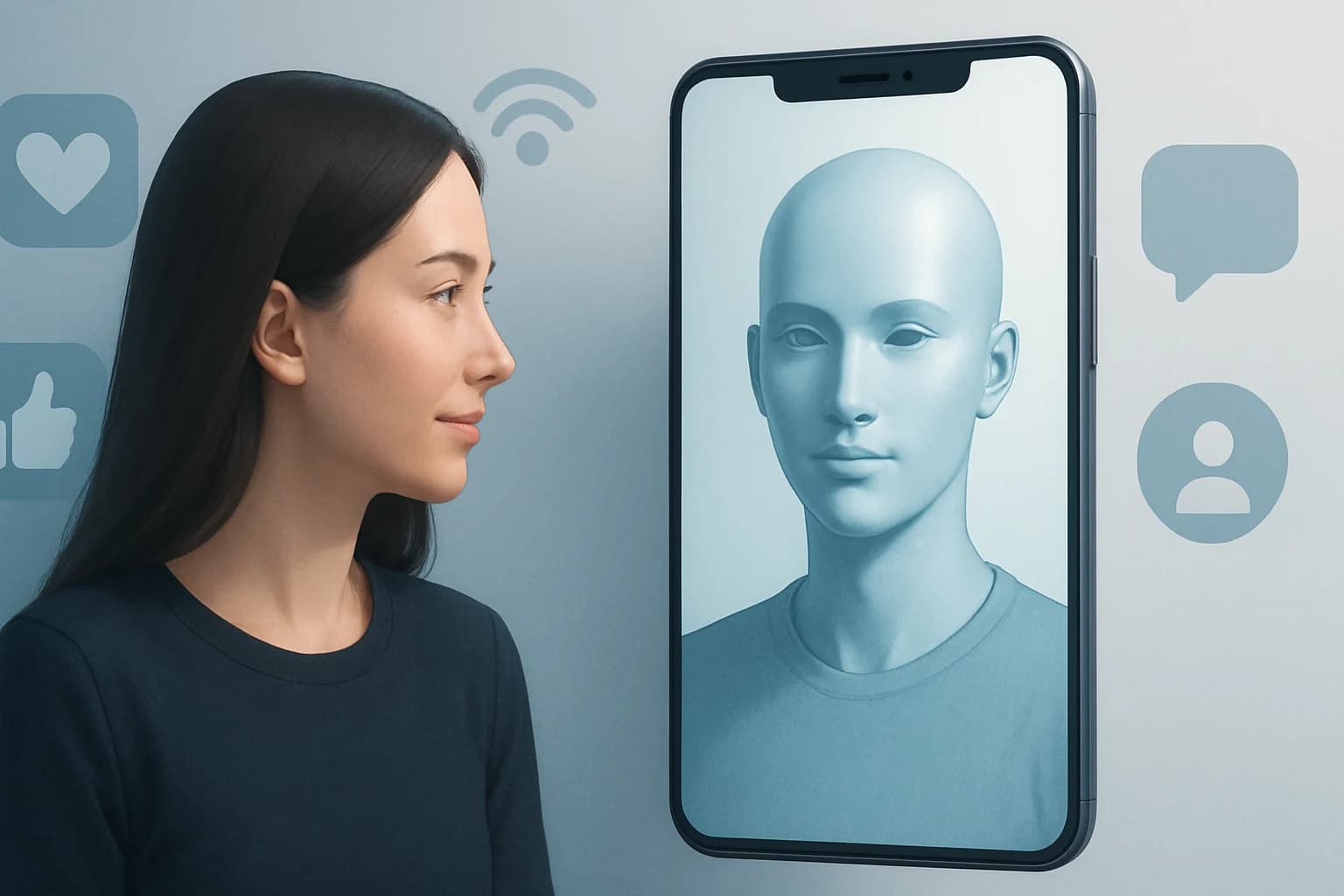
What if you could engage with friends, brands, and communities through a hyper-realistic AI avatar that mirrors your expressions and emotions? With a staggering 70% of consumers expressing a desire for more personalized experiences on social media (Source: Statista), the future of AI avatars in interactive social media experiences is not just a distant concept—it's rapidly becoming a reality that shapes how we connect.
As we delve into this evolving landscape, you'll discover how AI avatars are set to transform interactions, offering enhanced connectivity and engaging environments that foster deeper relationships and community building. Understanding these advancements is crucial for anyone looking to stay ahead in the digital realm and leverage the full potential of social media.
Join us as we explore the innovative technologies behind AI avatars, their implications for user engagement, and what this means for the future of online connectivity. Prepare to rethink how you interact in the virtual world!
Key Takeaways
- Embrace AI Avatars: Leverage AI avatars to create a more dynamic and personalized user experience, enhancing engagement on social media platforms.
- Foster Inclusivity: Utilize AI avatars to allow users to express diverse identities, promoting a more inclusive environment that resonates with a broader audience.
- Enhance Creativity: Encourage users to experiment with their avatars, offering tools and features that inspire unique self-expression and creativity in digital interactions.
- Stay Ahead of Trends: Monitor emerging technologies and trends in AI avatar development to integrate the latest features and maintain a competitive edge in social media engagement.
What are AI Avatars and Why Do They Matter?
AI avatars are digital representations of users, powered by artificial intelligence, that can engage in real-time interactions across various platforms. These avatars are increasingly utilized in social media as a means to enhance user experience and connection, allowing individuals to express themselves in dynamic and immersive ways.
The significance of AI avatars in social media cannot be understated. They serve as a bridge between the physical and digital worlds, enabling users to curate their online personas. With the rise of platforms like Snapchat and TikTok, where filters and effects dominate, AI avatars have become essential tools for self-expression. Not only do they foster creativity, but they also promote inclusivity by allowing users to embody identities they resonate with, regardless of their physical appearance.
Evolution of Digital Interactions
The evolution of digital interactions has been marked by three key phases:
- Static Profiles - Initially, social media profiles were largely text-based, limiting user interaction.
- Visual Engagement - The introduction of images, video, and emojis transformed communication, making it more expressive.
- AI Avatars - Now, with AI avatars, interactions are becoming increasingly personalized and engaging. Users can interact through their avatars in virtual settings, enhancing the sense of presence and community.
“AI avatars represent the next frontier in digital communication, allowing for richer interactions that transcend traditional text and images.” – Industry Expert
Benefits of AI Avatars
- Enhanced User Engagement: Avatars can make interactions more fun and enjoyable.
- Personalization: Users can customize their avatars to reflect their unique identities.
- Accessibility: AI avatars can help individuals with disabilities engage more fully in social media.
In essence, AI avatars are shaping the future of social media by transforming how users connect and interact. As these technologies continue to evolve, they promise to create even more immersive and meaningful experiences online. For a deeper understanding of the technology behind AI avatars, you can refer to Wikipedia's entry on Avatars.
How Do AI Avatars Enhance Social Media Interactions?
AI avatars are set to revolutionize how users interact across social media platforms, enhancing engagement and personalization in unprecedented ways. By leveraging advanced machine learning algorithms and real-time data, these digital representations can create more immersive experiences.
Personalization and User Engagement
AI avatars bring a unique level of personalization to social media interactions. They can analyze user behavior, preferences, and past interactions to tailor content specifically for individuals. This leads to increased user engagement, as personalized experiences often resonate more deeply with audiences.
- Benefits of AI Avatars:
- Enhanced user experience through tailored interactions
- Increased engagement rates as users feel more connected
- Accessibility for individuals with disabilities through customized avatars
Real-time Interactions and Feedback
Real-time capabilities are another significant advantage of AI avatars. With the ability to respond instantly to user inquiries and actions, these digital entities can facilitate dynamic conversations that mimic human interaction.
- Immediate Responses: Users receive instant feedback, which is crucial for maintaining engagement.
- Adaptive Learning: AI avatars continuously learn from each interaction, improving their responses over time.
“The future of communication lies in the ability of avatars to understand and adapt to human emotions in real-time.” — AI Interaction Expert
Case Studies of Successful Implementation
Several companies have successfully integrated AI avatars into their social media strategies.
- Lil Miquela, a virtual influencer, engages millions of followers on Instagram, promoting various brands while interacting with fans in a relatable manner.
- Kuki, an AI chatbot, has been deployed on platforms like Facebook Messenger, providing users with instant responses and creating engaging conversations.
| Feature | Lil Miquela | Kuki |
|---|---|---|
| Engagement Type | Influencer Marketing | Chatbot Interaction |
| User Feedback | High Engagement Rates | Real-time Responses |
| Personalization Level | Tailored Brand Messaging | Adaptive Conversational AI |
As businesses continue to explore the capabilities of AI avatars, their potential in reshaping social media interactions is only beginning to unfold. Understanding this evolving landscape is crucial for brands looking to enhance their digital presence. For further insights, consider exploring AI in Social Media for a deeper understanding of these trends.
What are the Key Technologies Behind AI Avatars?
The rapid evolution of AI avatars is heavily influenced by several key technologies that enhance their interactive capabilities in social media experiences. Understanding these technologies is crucial for grasping how avatars are reshaping digital communication.
1. Machine Learning (ML) At the heart of AI avatars lies machine learning, which enables avatars to learn from user interactions and improve over time. By analyzing vast datasets, ML algorithms can identify patterns and make predictions, allowing avatars to respond contextually. For instance, Facebook’s AI-driven avatars can adjust their expressions based on user sentiment, creating a more immersive interaction.
2. Natural Language Processing (NLP) Natural language processing plays a pivotal role in how AI avatars understand and generate human language. NLP techniques help avatars comprehend user input and respond in a way that feels natural. For example, Google’s Duplex technology showcases advanced NLP capabilities, enabling avatars to engage in conversations that mimic human-like dialogue, enhancing user engagement on platforms like Google Assistant.
3. Facial Recognition and Animation Facial recognition technology allows avatars to capture and replicate user facial expressions in real-time. This enhances the realism of avatars in social interactions. Using tools like Apple’s ARKit, developers can create avatars that animate facial expressions accurately, providing a more engaging experience.
Here’s a quick overview of these technologies:
| Technology | Functionality | Example |
|---|---|---|
| Machine Learning | Learns from data to improve responses | Facebook avatars adjusting to user emotions |
| Natural Language Processing | Understands and generates human language | Google Duplex engaging in natural conversations |
| Facial Recognition | Captures and animates user expressions | Apple’s ARKit creating realistic avatar expressions |
“The future of social media interaction lies in the ability of avatars to not only replicate but also enhance human communication.” – Tech Innovator
By integrating these technologies, AI avatars are set to transform social media interactions, making them more personalized and engaging. As these advancements continue, users can expect increasingly sophisticated and lifelike avatars that bridge the gap between digital and human interaction. This shift prompts further exploration into the ethical implications and user privacy concerns associated with these technologies.
What Challenges Do AI Avatars Face in Social Media?
AI avatars are poised to revolutionize interactive social media experiences, but several challenges must be addressed to ensure their successful integration.
Ethical considerations are paramount. The deployment of AI avatars raises questions about representation and consent. For instance, using someone's likeness without permission can lead to legal ramifications and ethical dilemmas. The AI Ethics Guidelines published by organizations like the European Commission emphasize the importance of ensuring that AI systems respect human rights, which is crucial in avatar development.
Data privacy issues also present significant hurdles. Avatars often require extensive personal data to function effectively. This raises concerns about how this data is collected, stored, and utilized. A study from the Electronic Frontier Foundation found that 79% of Americans express concern over their online privacy. Ensuring compliance with regulations such as the GDPR (General Data Protection Regulation) is essential for fostering user trust.
User acceptance and trust are crucial for the success of AI avatars. To build this trust, developers must focus on transparency and user engagement. Here are three strategies to enhance acceptance:
- Provide clear information about data usage.
- Allow customization of avatars to promote personal connection.
- Implement robust security measures to protect user data.
Moreover, as noted by AI researcher Dr. Emily M. Smith,
"The acceptance of AI avatars hinges not just on technology, but on fostering a community of trust and ethical responsibility."
In conclusion, while AI avatars hold great potential for enhancing interactive social media experiences, addressing ethical considerations, data privacy issues, and user acceptance will be critical. As we navigate these challenges, ongoing dialogue and research will be necessary to create safe, engaging environments for users. For a deeper understanding of these issues, consider exploring the AI Now Institute for insights into the ethical implications of AI technologies.
What is the Future of AI Avatars in Social Media?
The rise of AI avatars is reshaping how we interact on social media platforms. As technology advances, predictions suggest that the market for AI-driven avatars will grow substantially, with estimates projecting a 15% CAGR over the next five years (Source: https://www.statista.com). This growth will not only enhance user engagement but also redefine community dynamics.
Potential Use Cases for AI avatars are diverse. They can be employed in:
- Customer service: Avatars can provide instant support, guiding users through inquiries and troubleshooting.
- Content creation: Influencers and brands can utilize AI avatars to produce personalized content tailored to audience preferences.
- Virtual events: AI avatars can host or facilitate webinars, enhancing interaction through real-time Q&A sessions.
The impact on user experience and community building cannot be overstated. AI avatars can foster deeper connections by providing a more personalized interaction. For instance, a user could customize their avatar to reflect their personality, making interactions feel more authentic.
"AI avatars will bridge the gap between virtual and real-world interactions, transforming how communities engage online."
Some key benefits of utilizing AI avatars include:
- Enhanced personalization: Tailored experiences based on user data.
- Increased accessibility: Avatars can help break language barriers with real-time translation.
- Improved engagement: Interactive avatars can hold users' attention longer than traditional text or video content.
To truly understand the trajectory of AI avatars in social media, consider these concrete examples:
- Snapchat's Bitmoji: Allows users to create personalized avatars for enhanced interaction.
- Meta's Horizon Worlds: Users interact in a virtual space using avatars, promoting community engagement and social interaction.
As we move forward, incorporating AI avatars into social media strategies will be crucial for brands aiming to build stronger communities. Embracing these technologies now can lead to a more engaging and connected future for online interactions.
How Can Businesses Leverage AI Avatars for Marketing?
With the rise of AI avatars, businesses have a unique opportunity to innovate their marketing strategies. Leveraging AI avatars can enhance customer engagement, streamline customer service, and foster brand loyalty in an increasingly competitive environment.
Creating Interactive Campaigns AI avatars can serve as dynamic participants in marketing campaigns. By developing interactive experiences where avatars engage directly with users, businesses can create memorable content that resonates. For example, a fashion brand could utilize avatars to host virtual try-on sessions, allowing customers to see how clothing would look on a digital representation of themselves. This not only personalizes the shopping experience but also encourages social sharing.
- Benefits of Interactive Campaigns:
- Increased customer engagement
- Enhanced brand visibility
- Improved conversion rates
Customer Service Applications AI avatars can also function as virtual customer support agents. By integrating these avatars into websites or social media platforms, businesses can provide instant responses to customer inquiries 24/7. For instance, a tech company might deploy an AI avatar to troubleshoot common issues, significantly reducing wait times for customers.
“AI avatars are transforming customer service by offering instant, consistent support that can enhance user satisfaction.” – Industry Expert
Building Brand Loyalty By fostering a sense of community through AI avatars, businesses can deepen customer relationships. Brands can create personalized experiences, such as loyalty programs where avatars interact with users to reward them for their purchases and engagement. According to recent studies, companies that utilize personalized marketing see a 20% increase in customer loyalty (Source: https://www.forbes.com/...).
- Develop a unique avatar that represents your brand's values.
- Use social media platforms to showcase interactive content.
- Implement AI avatars in customer support roles to enhance service efficiency.
As AI technology progresses, the integration of avatars into marketing strategies will only become more sophisticated, offering businesses innovative ways to connect with their audiences.
Conclusion: Embracing the AI Avatar Revolution
The integration of AI avatars into social media is not just a trend; it represents a profound shift in how we interact online. As we explore the future of these virtual personas, it's essential to reflect on the key points that outline their potential.
First, AI avatars enhance user engagement by offering personalized experiences tailored to individual preferences and behaviors. They can serve as virtual companions in gaming, customer service representatives in e-commerce, or even as influencers, creating a unique interaction model that traditional static profiles cannot match.
Second, the technology enabling these avatars is rapidly advancing. Tools such as natural language processing and machine learning allow avatars to mimic human emotions and respond dynamically. This capability not only fosters meaningful interactions but also builds trust and relatability.
Finally, the ethical implications surrounding the use of AI avatars cannot be overlooked. As companies harness this technology, they must prioritize transparency and user consent to ensure that interactions remain respectful and safe.
“The future of social media will be defined by how authentically we can connect with our audiences, and avatars are a key part of that evolution.” – Industry Expert
In conclusion, the rise of AI avatars signifies a revolutionary change in digital interaction. As we look ahead, consider these next steps to stay informed:
- Explore diverse applications: Investigate how different industries are utilizing AI avatars, from entertainment to healthcare.
- Stay updated on technology: Follow advancements in AI and machine learning to understand future capabilities.
- Engage with ethical discussions: Contribute to conversations about the responsible use of AI in social media.
By embracing this AI avatar revolution, we position ourselves at the forefront of a new era in digital communication, one that promises richer, more engaging experiences for all users. For further insights, consider reading about the implications of AI on social media from Pew Research and the latest trends in avatar technology at MIT Technology Review.
Conclusion
The integration of AI avatars into social media is set to transform how we interact online, creating more personalized and engaging experiences.
As we navigate this evolving landscape, here are the key takeaways:
- Enhanced Engagement: AI avatars can facilitate deeper interactions, making communication more dynamic and relatable.
- Personalization Opportunities: These avatars can be tailored to reflect individual personalities, preferences, and cultural contexts.
- Accessibility Improvements: AI technology can break down communication barriers, making social media more inclusive for diverse audiences.
- Innovative Brand Strategies: Businesses can leverage AI avatars to create unique marketing campaigns that resonate with consumers on a personal level.
The significance of AI avatars in shaping the future of social media cannot be overstated; they represent a pivotal shift towards more immersive and human-like interactions online.
Start implementing these strategies today and position yourself at the forefront of this digital revolution!
Take Your Content to the Next Level
Ready to transform your interactive social media strategy? Socyally's AI-powered platform helps you leverage the future of AI avatars, enabling you to create engaging video content that captivates your audience. Create professional content in minutes, not hours.
Frequently Asked Questions
What are AI avatars used for?
AI avatars are used in various applications, including customer service, entertainment, and social media. They can represent individuals in virtual environments, assist with tasks, and provide interactive experiences.
How do AI avatars work?
AI avatars utilize machine learning and natural language processing to understand and respond to user inputs. They can be animated or static, often integrating voice recognition and facial recognition technology to create a more lifelike interaction.
What are the benefits of using AI avatars in social media?
AI avatars enhance user engagement by providing personalized interactions and content. They can help brands create a unique identity, facilitate customer support, and foster community building through relatable representations.
Are AI avatars the future of social interaction?
While AI avatars are increasingly popular and offer innovative ways to interact, they are not likely to replace traditional social interactions entirely. However, they may play a significant role in shaping virtual communication and enhancing online experiences.