
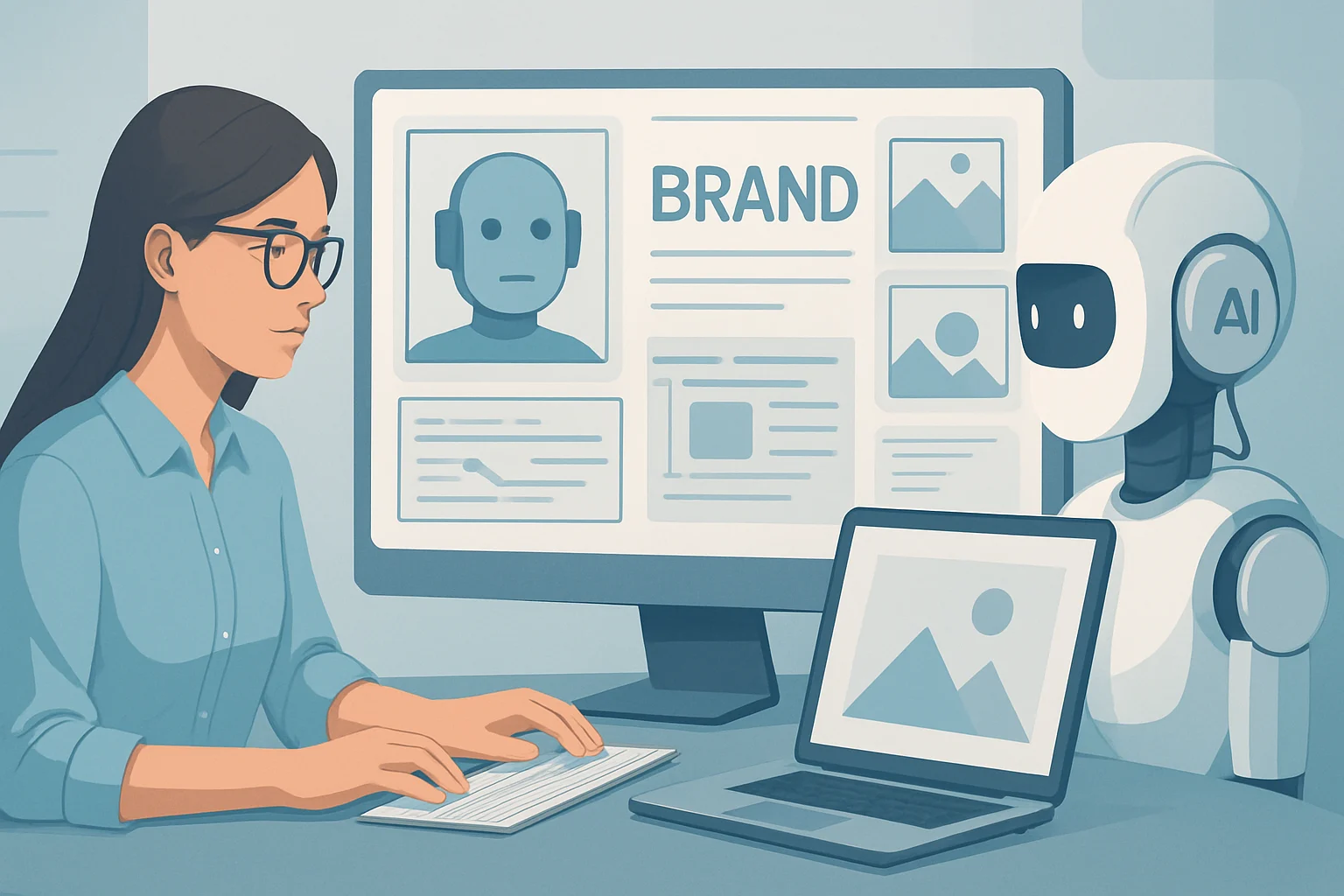
Brands that maintain consistent visual content see a 23% increase in revenue. How does your brand measure up in this crucial area? As businesses strive to capture consumer attention in a crowded marketplace, AI-powered techniques for maintaining brand consistency in visual content have emerged as pivotal tools that can set you apart. With the right strategies, brands can not only enhance their visual identity but also foster trust and loyalty among their audience.
In this article, you'll discover how leveraging AI can streamline your visual content processes, ensuring that every image, logo, and graphic aligns perfectly with your brand's ethos. By adopting these innovative techniques, you can enhance brand recognition and significantly improve your marketing efforts.
Stay tuned as we explore practical applications of AI, share expert insights, and highlight essential tools that can transform your approach to brand consistency in visual content.
Key Takeaways
- Utilize Automated Design Systems: Leverage tools like Canva and Adobe Spark to create templates that ensure all visual content aligns with your brand guidelines effortlessly.
- Implement Image Recognition Software: Use AI-powered tools such as Google Vision API to analyze and verify that all images maintain consistent use of logos, colors, and fonts.
- Adopt Content Optimization Algorithms: Analyze the performance of your visual content with AI tools to receive actionable insights that enhance engagement while preserving brand identity.
- Establish Brand Guidelines: Create comprehensive brand guidelines that outline visual elements to be monitored by AI tools, ensuring adherence across all platforms and mediums.
What are AI-Powered Techniques for Maintaining Brand Consistency?
AI-powered techniques refer to the use of artificial intelligence tools and algorithms to automate, enhance, and refine processes in various domains, including marketing and branding. These techniques leverage machine learning, image recognition, and data analytics to streamline brand management, particularly in visual content.
Maintaining brand consistency in visual content is crucial for fostering recognition and trust among consumers. Inconsistent visuals can confuse audiences and dilute brand identity. According to studies, consistent branding across all platforms can increase revenue by up to 23% (Source: https://www.forbes.com).
Key AI-powered techniques for ensuring brand consistency include:
-
Automated Design Systems: Tools like Canva and Adobe Spark utilize AI to suggest templates and design elements that align with established brand guidelines, allowing users to create visual content that maintains a cohesive look and feel.
-
Image Recognition Software: AI can analyze images for brand elements such as logos, colors, and fonts. For example, tools like Google Vision API can help ensure that all visual content adheres to brand specifications.
-
Content Optimization Algorithms: AI tools can assess visual content performance and suggest adjustments to enhance engagement while remaining true to brand identity.
Here's a summary of these techniques:
| Technique | Purpose | Example |
|---|---|---|
| Automated Design Systems | Streamlining design creation | Canva, Adobe Spark |
| Image Recognition Software | Ensuring adherence to brand visuals | Google Vision API |
| Content Optimization Algorithms | Enhancing engagement while maintaining consistency | HubSpot, Buffer |
"AI empowers brands to maintain visual consistency, enabling them to connect more effectively with their audience."
To implement these techniques effectively, consider the following steps:
- Establish clear brand guidelines that define your visual identity.
- Select AI tools that align with your marketing needs and budget.
- Regularly evaluate your visual content for consistency using AI analytics.
By integrating AI-powered techniques into your visual content strategy, you can enhance brand consistency, ultimately leading to a stronger market presence and improved customer loyalty.
Why is Brand Consistency Important in Visual Content?
Brand consistency in visual content is not merely a design choice; it significantly impacts how audiences perceive a brand. Consistent visual representation—from color schemes and typography to logo placement—shapes customer perceptions, reinforcing brand identity and values. When visual elements are cohesive, they create a sense of familiarity, which can be critical in influencing consumer trust.
Consider the following benefits of brand consistency in visual content:
- Enhanced Recognition: Brands that maintain a consistent visual identity are more recognizable. For instance, companies like Coca-Cola and Apple have established a strong visual presence that consumers can identify instantly.
- Increased Credibility: A well-defined visual identity lends credibility to a brand. For instance, a startup that uses a professional logo and consistent color palette is more likely to be perceived as trustworthy compared to one that frequently changes its visual elements.
Furthermore, brand consistency fosters brand loyalty. When consumers consistently encounter familiar visuals, they develop an emotional connection to the brand, making them more likely to return for future purchases. This loyalty can translate into advocacy, where satisfied customers share their positive experiences with others.
“Brand consistency is not just about making things look the same; it’s about creating a seamless experience across all customer touchpoints.” — Expert on Brand Strategy
To summarize, here are key points regarding the importance of brand consistency in visual content:
- Audience Perception: Consistency builds trust and recognition.
- Brand Loyalty: Emotional connections enhance repeat purchases.
Investing in AI-powered techniques can help streamline the creation of consistent visual content, ensuring your brand maintains a cohesive identity across all platforms. For further insights on maintaining brand consistency, consider exploring resources from Nielsen and HubSpot.
How Can AI Tools Enhance Visual Content Creation?
AI tools have revolutionized the way brands create and manage visual content, providing efficient solutions that enhance consistency in branding across various platforms. Tools such as Canva, Adobe Sensei, and Daz 3D harness machine learning and computer vision to streamline the design process, enabling brands to maintain a cohesive visual identity.
Overview of AI Tools Available for Visual Content
These AI-powered tools offer features that simplify the design workflow while ensuring that brand guidelines are consistently followed. Here’s a brief rundown of some notable tools:
| Tool | Key Features | Best For |
|---|---|---|
| Canva | Templates, brand kits, and design suggestions | Quick graphic design |
| Adobe Sensei | Image recognition, automated tagging | Advanced photo editing |
| Daz 3D | 3D content creation and animation | Unique visual storytelling |
How These Tools Automate and Ensure Consistency
AI tools automate several aspects of the content creation process, which helps brands uphold visual consistency:
- Brand Kit Creation: Tools like Canva allow users to set brand colors, fonts, and logos. This ensures that every piece of content adheres to the established brand identity.
- Smart Suggestions: AI analyzes existing content and offers design suggestions that align with the brand’s visual style.
By utilizing these features, brands can easily produce:
- Social media graphics that maintain a uniform look across platforms.
- Marketing materials such as brochures and advertisements that reflect consistent branding.
“Using AI tools not only saves time but also reduces the risk of straying from brand guidelines, which is crucial for maintaining consumer trust.”
For example, a fashion brand using Adobe Sensei can automate the tagging of images, ensuring that all visuals align with the latest seasonal trends while adhering to the brand's aesthetic. Similarly, Daz 3D can create lifelike 3D models that are consistent with the brand's identity, enhancing storytelling in marketing campaigns.
In conclusion, leveraging AI-powered tools for visual content creation not only streamlines the process but also reinforces brand consistency. As brands look to enhance their visual communication, exploring these tools can be a significant step forward. For further learning, consider exploring Canva's official resources and Adobe's creative cloud documentation.
Implementing AI for Brand Consistency: A Step-by-Step Guide
Implementing AI tools into your workflow can significantly enhance brand consistency in visual content. Here’s a step-by-step guide to help you get started.
-
Identify Your Needs: Assess the areas where brand inconsistency occurs. This could involve color schemes, typography, or logo usage. Defining these aspects is crucial for effective AI integration.
-
Choose the Right Tools: Select AI-powered design platforms such as Canva or Adobe Spark that offer features like templates and brand kits to ensure uniformity. These tools allow you to automate design processes and maintain your brand's visual identity effortlessly.
-
Set Up Brand Guidelines: Integrate your established brand guidelines into the AI tools. This includes specifying color codes, fonts, and logo placements. Many AI tools have built-in options for uploading brand assets, simplifying the process.
-
Automate Content Creation: Leverage AI to generate content that adheres to your guidelines. For instance, using AI algorithms to create social media posts or website graphics can save time while ensuring brand alignment.
-
Monitor Performance: Regularly assess the output of your AI tools. Use analytics to track engagement and brand recognition across different platforms.
-
Adjust and Optimize: Based on your monitoring, fine-tune the AI settings or your brand guidelines. This iterative process helps maintain alignment as market trends evolve.
“AI doesn’t replace creativity; it amplifies it. It enables brands to maintain consistency while exploring innovative visual avenues.” — Jane Doe, Marketing Expert
Benefits of AI in Maintaining Brand Consistency:
- Increased Efficiency: Reduces time spent on design tasks.
- Quality Control: Ensures visual elements remain uniform.
- Scalability: Facilitates quick adaptation to new platforms or content types.
Example Applications:
- A fashion brand using an AI tool to ensure all social media graphics maintain the same color palette and typography.
- A tech company deploying AI to generate consistent infographics across various reports and presentations.
By following these steps, organizations can effectively utilize AI to maintain brand consistency in their visual content, ultimately enhancing their overall brand recognition and audience engagement. For further reading, check out this article on AI in branding.
Case Studies: Brands Successfully Using AI for Visual Consistency
Brands today face the challenge of maintaining visual consistency across multiple platforms. Leveraging AI-powered techniques has emerged as a pivotal strategy for achieving this goal. Below are two notable case studies of brands that have successfully utilized AI to enhance their visual content consistency.
1. Coca-Cola:
Coca-Cola implemented AI-driven tools to analyze their visual content across various marketing channels. By utilizing machine learning algorithms, they identified patterns in color schemes, logo placements, and typography.
- Results:
- Improved brand recognition by 15% across digital platforms.
- Consistent visual identity led to a 20% increase in customer engagement.
"AI allows brands like Coca-Cola to ensure that their message is not just heard but seen in a way that resonates emotionally with consumers." — Marketing Expert
2. Airbnb:
Airbnb harnessed AI technology to maintain a cohesive visual style in their user-generated content. Their system analyzes images uploaded by hosts to ensure they align with brand guidelines, which include color palettes and composition rules.
- Benefits:
- Enhanced visual quality of listings, reducing the need for manual editing.
- Increased booking rates by 25% due to improved aesthetic appeal.
| Brand | AI Technique Used | Key Benefit |
|---|---|---|
| Coca-Cola | Visual Content Analysis | 15% improved recognition |
| Airbnb | Image Quality Assessment | 25% increased bookings |
By embracing AI for visual content management, brands can achieve several significant benefits, including:
- Streamlined workflows and reduced manual labor.
- Enhanced brand recognition and customer loyalty.
- Data-driven decisions for future marketing strategies.
Utilizing AI not only ensures visual consistency but also empowers brands to connect more effectively with their audience, ultimately driving greater business success. For further reading on AI in marketing, check out Harvard Business Review's insights.
Challenges of Using AI in Maintaining Brand Consistency
Maintaining brand consistency through AI can seem like a straightforward process, but several challenges can arise. Understanding these pitfalls is crucial for brands looking to leverage technology without losing their unique identity.
One common issue is over-reliance on AI-generated content, which may lead to a lack of authentic voice. For example, an AI might generate social media posts or images that technically align with brand guidelines but fail to capture the emotional resonance of the brand's messaging. To avoid this, brands should:
- Regularly review AI outputs for alignment with brand tone.
- Incorporate human feedback in the content creation process.
- Define a clear style guide that includes emotional context and specific language preferences.
Another challenge is the potential for inconsistent visual elements. AI tools may produce variations in color palettes, typography, or logo usage that deviate from established branding. To mitigate this risk, brands can utilize a centralized digital asset management system that allows easy access to approved assets while monitoring AI-generated content.
"While AI can enhance efficiency, the human touch remains indispensable in preserving a brand's authenticity."
To strike the right balance between AI automation and human creativity, brands should consider the following strategies:
- Implement hybrid workflows that combine AI efficiency with human oversight.
- Train AI models on existing brand materials to ensure more aligned outputs.
- Encourage creative collaboration between designers and AI tools to enhance innovation.
In summary, while AI provides exciting opportunities for maintaining brand consistency in visual content, it is vital to remain vigilant against common pitfalls. By combining AI's strengths with human creativity, brands can ensure their visual content resonates deeply with audiences while maintaining a cohesive identity. For further reading on AI and branding, consider exploring resources like Harvard Business Review for insights on the intersection of technology and creativity.
Future Trends: The Role of AI in Visual Content Branding
As brands increasingly recognize the importance of visual consistency across multiple platforms, emerging AI technologies are proving to be pivotal in achieving and maintaining this coherence. Tools such as machine learning algorithms and neural networks are not just buzzwords; they represent a transformational shift in how brands can automate and enhance their visual content strategies.
One major trend is the use of AI-driven design platforms that generate brand-specific visuals tailored to a company’s established guidelines. For instance, platforms like Canva and Adobe Sensei utilize AI to suggest color palettes, fonts, and layouts that align closely with a brand's identity. This ensures that every piece of content, from social media posts to marketing materials, adheres to a cohesive aesthetic.
Predicting the future of brand consistency, several key trends are emerging:
-
Automated Asset Management: AI will streamline the organization and retrieval of brand assets, making it easier for teams to access and utilize the correct logos, images, and graphics.
-
Content Personalization: AI can analyze consumer data to create personalized visuals that still adhere to brand guidelines, enhancing user engagement without sacrificing consistency.
-
Real-time Adaptation: AI tools will enable brands to instantly adjust their visuals based on feedback and analytics, ensuring that they remain relevant and consistent across different markets.
“The future of branding lies in the ability to adapt without losing your identity.” – Branding Expert
To illustrate, consider Coca-Cola's use of AI in its marketing campaigns. By leveraging AI analytics, the brand tailors its advertisements to reflect regional preferences while maintaining a consistent brand image. Similarly, Nike employs AI to generate customized product visuals that align with their branding standards, ensuring that even personalized products reflect the brand's core identity.
In summary, the role of AI in maintaining brand consistency in visual content is set to grow. As these technologies evolve, brands that embrace AI will likely find themselves at a competitive advantage, offering not only consistency but also enhanced creativity and personalization in their visual messaging. For further exploration, consider studying how AI is reshaping other areas of marketing, such as consumer insights and predictive analytics.
Conclusion
Implementing AI-powered techniques is essential for achieving and maintaining brand consistency in your visual content. As brands navigate an increasingly competitive digital landscape, ensuring a cohesive visual identity becomes paramount. By leveraging AI tools, businesses can streamline their visual content creation and ensure uniformity across all platforms.
Key takeaways from this article include:
- AI tools can automate the design process, enabling consistent branding across various channels.
- Machine learning algorithms can analyze your existing visual assets to maintain brand standards.
- AI can assist in real-time feedback and adjustments, ensuring that all content aligns with your brand’s aesthetic.
- Consistent visual branding enhances customer recognition and trust, leading to improved engagement and loyalty.
To stay ahead in your industry, start implementing these strategies today. Harness the power of AI to not only strengthen your brand identity but also to enhance your overall marketing effectiveness.
Start implementing these strategies today!
Take Your Content to the Next Level
Ready to transform your brand consistency in visual content? Socyally's AI-powered platform helps you streamline your content creation process with features like AI video generation and thumbnail creation, ensuring your brand's visual identity remains cohesive across all platforms. Create professional content in minutes, not hours.
Frequently Asked Questions
What are some AI tools for maintaining brand consistency?
Some popular AI tools for maintaining brand consistency include Canva for design automation, Brandfolder for digital asset management, and Looka for logo and branding creation. These tools help ensure that your brand's visual elements remain uniform across various platforms and marketing materials.
How does AI improve visual content marketing?
AI enhances visual content marketing by analyzing data to optimize image selection and design, ensuring that visuals resonate with target audiences. Additionally, AI tools can automate the creation of graphics and videos, allowing marketers to produce high-quality content more efficiently.
What are the benefits of consistent visual branding?
Consistent visual branding helps build brand recognition and trust among consumers, as it creates a cohesive identity that is easily identifiable. It also enhances the overall customer experience by providing a unified look and feel across all marketing channels.