
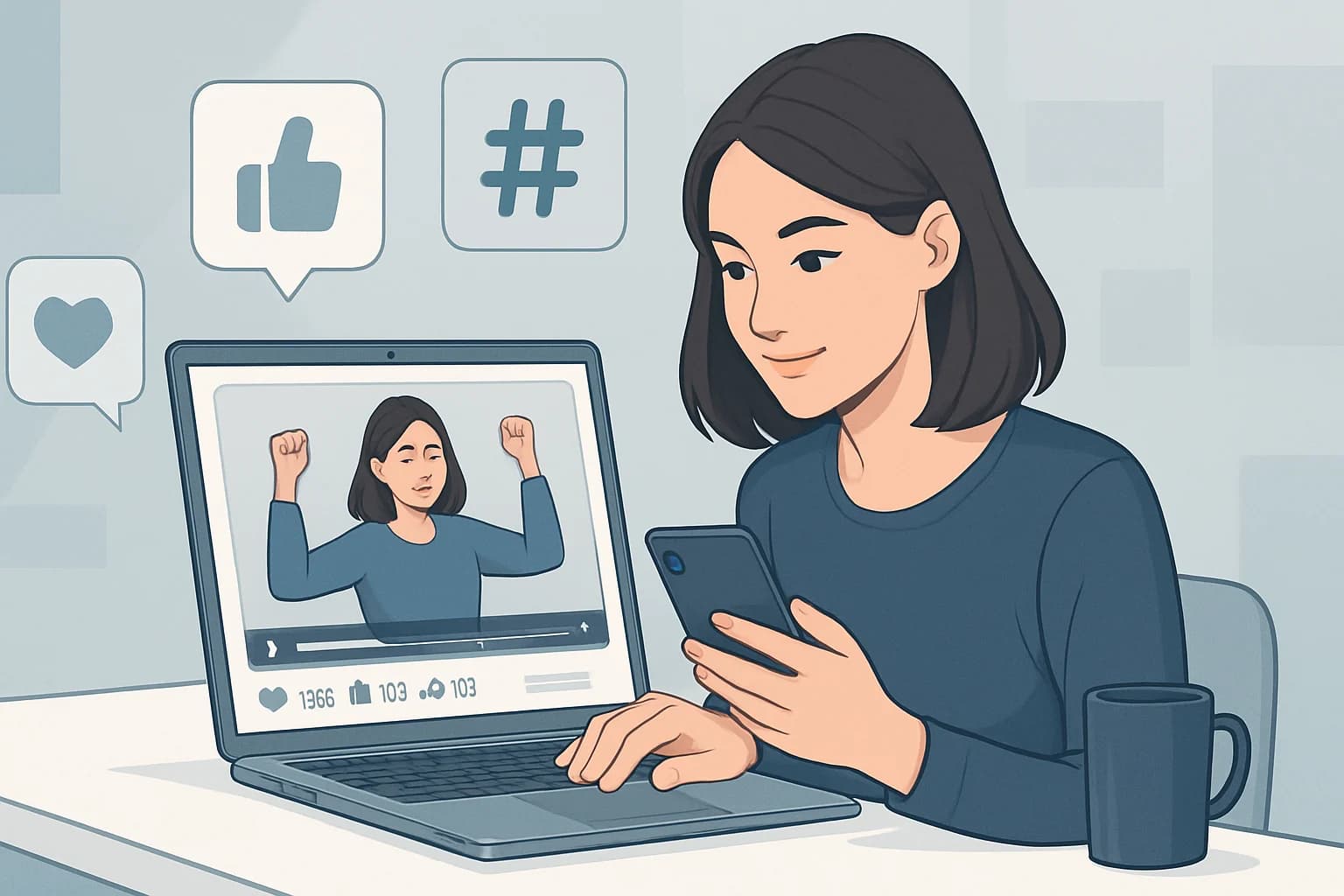
Creating a viral social media challenge can transform your brand’s online presence and dramatically increase engagement. Imagine your followers eagerly participating, sharing their experiences, and inviting friends to join in on the fun. This kind of organic reach not only boosts visibility but can also help establish a strong community around your brand.
In today’s digital landscape, a well-executed social media challenge can lead to significant growth in followers, heightened brand awareness, and increased loyalty. But how do you create a challenge that captures attention and encourages participation? In this guide, we’ll explore the essential components of a successful viral challenge and provide you with actionable steps to make your idea come to life.
Key Takeaways
- Engagement is key: A viral challenge must resonate with your audience and encourage interaction.
- Leverage psychological triggers: Understand what motivates people to share and participate.
- Utilize influencers: Collaborating with influencers can amplify your challenge's reach.
- Monitor key metrics: Tracking engagement and reach will help you evaluate your challenge's success.
- Avoid common pitfalls: Learning from past mistakes can set you up for success.
What is a Viral Social Media Challenge?
A viral social media challenge is a campaign that encourages users to participate in a specific activity or task, share their results, and tag others to join in. These challenges often involve a catchy hashtag and a specific format, making them easily recognizable and shareable.
The importance of engagement cannot be overstated. For a challenge to go viral, it must not only attract participants but also encourage them to share their experiences with their networks. This shareability is what propels a challenge from a simple idea to a widespread phenomenon.
Why Do Social Media Challenges Go Viral?
Several psychological triggers encourage sharing and participation in viral challenges. Here are some key factors:
- Social Proof: Seeing friends or influencers participate encourages others to join in. When users witness others engaging in the challenge, it creates a bandwagon effect.
- FOMO (Fear of Missing Out): People are motivated by the fear of being left out of popular trends. The desire to be included in a shared experience can drive participation.
- Community: Challenges can create a sense of belonging, making participants feel part of a larger movement. This communal aspect fosters connection and loyalty.
Elements That Contribute to Virality
For a challenge to become viral, it should include:
- Simplicity: The challenge should be easy to understand and participate in, allowing anyone to join without feeling intimidated.
- Fun Factor: Engaging and entertaining content encourages participation. If the challenge brings joy or laughter, it is more likely to spread.
- Shareability: A unique hashtag or visual element makes it easy to share. The easier it is for others to find and join the conversation, the better.
- Inclusivity: The challenge should appeal to a broad audience, allowing everyone to participate. This inclusivity can enhance the challenge's reach and engagement.
"The best viral challenges resonate emotionally and create a sense of community among participants."
How to Create a Viral Social Media Challenge
Creating a viral social media challenge can be broken down into several steps:
Step 1: Identify Your Objective
Start by defining what you want to achieve. This could include:
- Increasing brand awareness: A challenge can spotlight your brand and make it more recognizable.
- Boosting community engagement: Challenges that require user interaction can foster a sense of community.
- Promoting a new product or service: Use the challenge to draw attention to a specific offering and encourage trial.
Step 2: Choose a Theme
Select a theme that aligns with your brand and resonates with your audience. Consider current trends and cultural moments that can make your challenge relevant. For instance, if your brand is focused on fitness, a theme centered around healthy living or workout challenges can be particularly effective.
Step 3: Design the Challenge
Outline the parameters of your challenge. Ensure it is:
- Simple: Easy for participants to understand and execute. Avoid convoluted instructions that might deter participation.
- Engaging: Fun and interesting enough to motivate participation. Think about what would excite your audience.
- Specific: Clearly defined tasks or actions. For example, if the challenge involves a dance, provide a specific dance move to replicate or a song to use.
Step 4: Create Visual Content
Develop engaging visuals to promote your challenge. This can include:
- Graphics: Eye-catching images that convey the challenge.
- Videos: Short clips demonstrating the challenge, ideally featuring influencers or team members.
- Templates: Ready-to-use templates that participants can fill out or modify, making it easier for them to get involved.
Step 5: Launch Your Challenge
Announce your challenge on your social media platforms. Use a catchy hashtag and encourage your followers to participate. Consider the best times to post for maximum visibility, and utilize all available channels (stories, posts, reels) to spread the word.
Tips for Designing Engaging Content
- Use Humor: Light-hearted content tends to perform better. People are more likely to share things that make them laugh.
- Incorporate Challenges: Add levels of difficulty to keep participants engaged. For example, you might have different tiers for beginners, intermediate, and advanced participants.
- Provide Incentives: Consider offering rewards for participation, like shoutouts or prizes. Incentives can encourage more people to join and share their experiences.
Promoting Your Social Media Challenge
To maximize the reach of your challenge, consider the following strategies:
Leverage Influencers and Partnerships
Collaborate with influencers in your niche to promote your challenge. Their audience can help amplify your message and increase participation. Choose influencers whose values align with your brand for authentic promotion.
Utilize Paid Advertising
Consider investing in paid ads on social media platforms to reach a broader audience. Target specific demographics that align with your brand. For example, if your challenge promotes a family-friendly product, tailor the ads towards parents.
Engage with Participants
Regularly interact with participants by liking, commenting, and sharing their posts. This not only boosts engagement but also builds a sense of community. Acknowledging participants can encourage others to join and share their experiences.
Analyzing the Success of Your Challenge
After your challenge concludes, it's vital to analyze its success. Here are some key metrics to track:
- Engagement Rate: Look at likes, shares, comments, and overall participation. High engagement indicates that your challenge resonated with your audience.
- Hashtag Performance: Monitor how often your challenge hashtag was used. A high number of uses can indicate widespread participation and interest.
- Follower Growth: Assess whether there's a noticeable increase in followers. A successful challenge should contribute to your overall social media growth.
Tools for Measuring Engagement and Reach
Consider using tools like:
- Google Analytics: To track website traffic and referral sources, giving insight into how many participants came from your social media challenge.
- Social Media Analytics: Platforms like Instagram and Twitter provide insights into post-performance, allowing you to see which types of content performed best.
Common Mistakes to Avoid
While creating a viral challenge can be exciting, it’s important to avoid common pitfalls:
- Overcomplicating the Challenge: Keep it simple to encourage participation. Complex rules can deter users from joining.
- Ignoring Feedback: Listen to participants and adjust your challenge accordingly. Failing to adapt can lead to decreased engagement.
- Failing to Promote: A great challenge can go unnoticed without proper promotion. Ensure you have a solid marketing plan in place.
How to Learn from Unsuccessful Challenges
Analyze what didn’t work and seek feedback. Understanding the reasons behind a lack of participation or engagement can provide valuable insights for future challenges. Consider conducting surveys or polls to gather participant opinions.
Future Trends in Social Media Challenges
As social media evolves, so do challenges. Here are some emerging trends to watch for:
- Augmented Reality (AR): Using AR features in platforms like Instagram can make challenges more interactive and immersive.
- Sustainability: Eco-friendly challenges that promote sustainability are gaining traction. Brands that align with social responsibility resonate well with modern consumers.
- Gamification: Adding game-like elements, such as points or levels, can increase engagement. Users love the competition and recognition that comes with gamified experiences.
Frequently Asked Questions
What are some examples of viral social media challenges?
Some notable examples include the Ice Bucket Challenge, which raised awareness for ALS, the Mannequin Challenge, where participants froze in place, and the Bottle Flip Challenge, which involved flipping a water bottle to land upright. Each gained massive traction due to their engaging nature and shareability.
How long should a social media challenge last?
Typically, 1-2 weeks is ideal. This duration allows enough time for participants to engage while maintaining excitement. Too long may lead to waning interest, while too short might not give enough time for reach and engagement.
What platforms are best for social media challenges?
Instagram, TikTok, and Twitter are excellent platforms due to their visual nature and high engagement rates. Each platform offers unique features that can enhance your challenge, such as TikTok's video capabilities and Instagram's stories and reels.
Conclusion
In summary, creating a viral social media challenge involves understanding your audience, designing engaging content, promoting effectively, and analyzing results. Here are the key steps to remember:
- Define your objective clearly: Know what you want to achieve.
- Choose an engaging theme and design a simple challenge: Make it fun and accessible for all.
- Promote through influencers and targeted ads: Utilize your network to maximize reach.
- Track metrics to measure success and adapt as needed: Continually improve your strategy based on feedback and data.
Take Your Content to the Next Level
Ready to elevate your social media presence? Start brainstorming ideas for your viral challenge today! Engage with your audience in innovative ways and watch your community grow. Whether you're launching a product or simply looking to increase brand awareness, a creative social media challenge can be your ticket to success. Embrace the power of social media and make your mark with a challenge that resonates with your audience!