
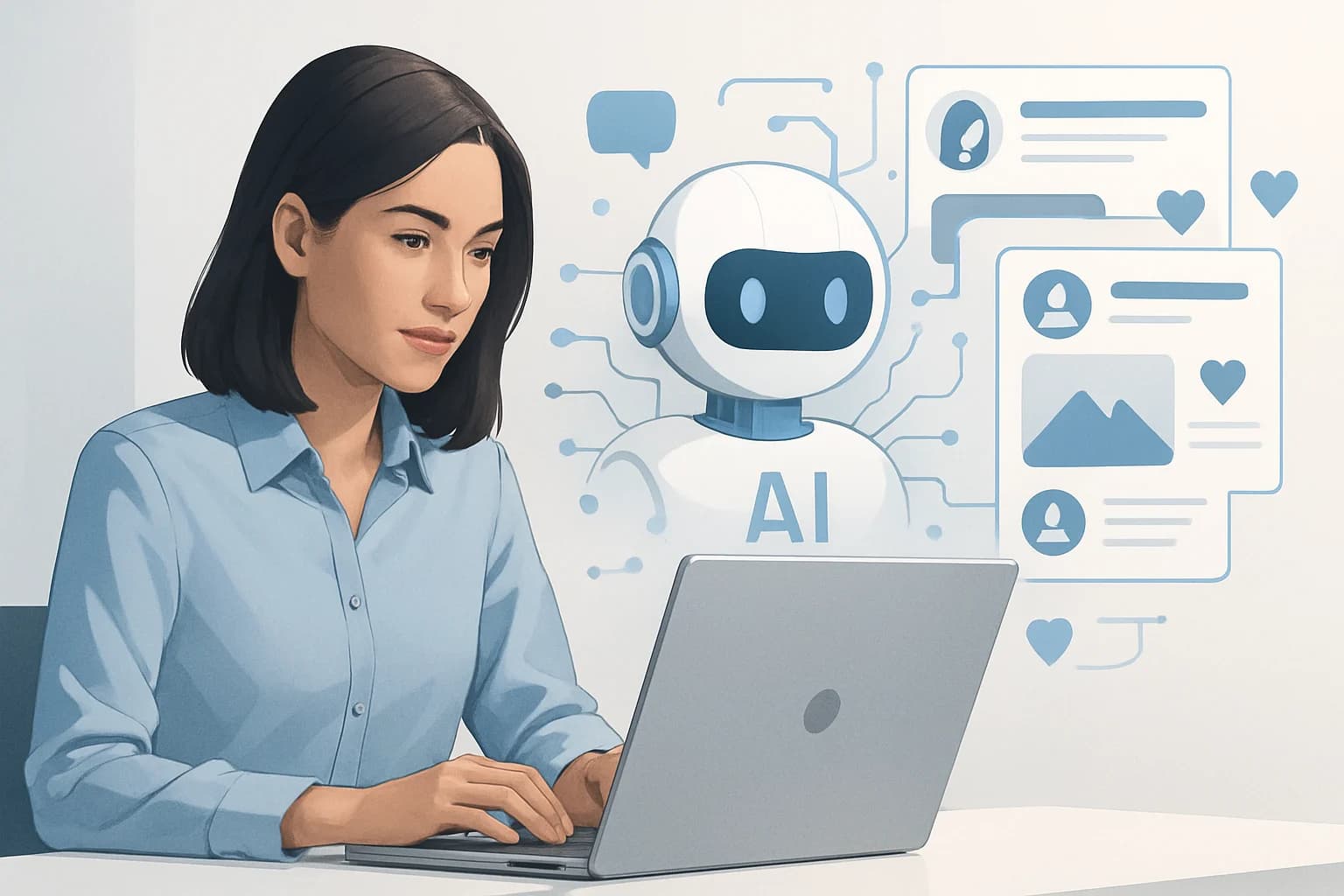
In today's digital landscape, where social media platforms are teeming with content, standing out is more crucial than ever. Brands are competing for attention, and users expect a tailored experience that speaks directly to their interests and preferences. Enter AI-powered personalization—a game-changer that allows companies to deliver customized content at scale. As businesses strive to enhance user experiences, leveraging AI technology is becoming an essential strategy to foster deeper connections with their audience.
The significance of personalization cannot be overstated. According to recent studies, a staggering 80% of consumers are more likely to purchase from a brand that provides a personalized experience. This trend highlights the need for organizations to embrace AI tools to analyze data and create content that resonates with individual users. By understanding the importance of personalized social media content, businesses can effectively increase engagement and loyalty among their customers.
Key Takeaways
- Using AI to personalize social media content at scale is most effective with clear goals and consistent execution.
- Start small by optimizing one platform before scaling to multiple channels.
- Use AI carefully to accelerate drafts, then refine with human review.
- Measure results weekly to improve engagement and conversions.
What is AI-Powered Personalization in Social Media?
AI-powered personalization in social media refers to the use of artificial intelligence technologies to tailor content specifically for individual users based on their preferences, behaviors, and interactions. This level of customization enhances user experiences, making them feel valued and understood.
The importance of personalization lies in its ability to significantly enhance user experience. When social media content is relevant to the user, it leads to increased engagement, higher conversion rates, and improved customer loyalty. By employing AI for personalization, brands can develop a more meaningful relationship with their audience, ultimately driving business success.
For instance, when a user interacts with a brand's post by liking, sharing, or commenting, AI algorithms can analyze these actions to recommend similar content, thereby fostering continuous interaction and engagement.
How Does AI Personalization Work?
AI personalization is a multi-faceted process that involves several steps and technologies.
Overview of AI Technologies Involved in Personalization
-
Machine Learning (ML): This subset of AI enables systems to learn from data and make predictions or decisions without being explicitly programmed. ML algorithms can identify patterns in user behavior and preferences, making it possible to tailor content effectively.
-
Natural Language Processing (NLP): NLP helps in understanding and generating human language, allowing brands to create more relatable content. For example, NLP can analyze user comments and sentiments, helping brands to craft responses that resonate more deeply with their audience.
-
Predictive Analytics: This technology analyzes historical data to forecast future trends, helping marketers tailor content that anticipates user needs. By leveraging predictive analytics, businesses can send timely and relevant offers based on user behavior patterns.
Data Collection and Analysis Processes
-
User Data Gathering: Brands collect data from various sources, including social media interactions, browsing history, and purchase behavior. This process often involves cookies, user signups, and social media permissions.
-
Data Analysis: Advanced algorithms sift through large datasets to identify patterns and preferences. This analysis can help determine which types of content are most engaging for different segments of the audience.
-
Content Optimization: Insights derived from data analysis inform the creation of personalized content that aligns with user interests. For example, if data reveals that a significant portion of the audience enjoys video content, brands may prioritize creating more videos in their strategy.
Benefits of Using AI for Social Media Content Personalization
Implementing AI for social media personalization offers a plethora of benefits, including:
-
Increased Engagement Rates: Personalized content keeps users interested, leading to higher interaction rates with posts and advertisements. According to a study by Epsilon, personalized emails have 29% higher open rates and 41% higher click-through rates.
-
Improved Customer Satisfaction and Loyalty: When users receive relevant content, they are more likely to engage with the brand and remain loyal over time. A Salesforce report found that 70% of consumers say a company’s understanding of their personal needs influences their loyalty.
-
Enhanced Resource Efficiency: Automating content personalization reduces the workload on marketing teams, allowing them to focus on strategic initiatives rather than manual content creation.
-
Data-Driven Insights: AI provides actionable insights into user behavior, enabling brands to refine their strategies continuously. This agility allows businesses to respond promptly to changing consumer preferences.
"AI personalization is not just about data; it’s about understanding the user and creating experiences that resonate deeply." – Industry Expert
Best Practices for Implementing AI in Social Media Strategies
To effectively integrate AI into social media strategies, brands should consider the following best practices:
-
Choosing the Right AI Tools: Assess various AI tools available in the market that suit your specific needs, such as chatbots, content recommendation engines, or social listening tools. Popular options include Hootsuite, Buffer, and Sprout Social, each offering distinct features to enhance personalization.
-
Integrating AI with Existing Marketing Strategies: Ensure that AI initiatives complement existing workflows and align with overall marketing goals. This alignment is crucial for maintaining brand consistency.
-
Continuous Monitoring and Adjustment: Regularly analyze the performance of AI-driven campaigns to identify areas for improvement. Set up dashboards to track key performance indicators (KPIs) like engagement rates, conversion rates, and follower growth.
-
User Privacy Considerations: Always prioritize user privacy by being transparent about data collection practices and obtaining necessary permissions. Consider implementing a privacy-first approach that builds trust with your audience.
-
Testing and Iteration: Use A/B testing to compare different content strategies. For example, test how different headlines or images perform with your audience and adjust based on the results.
Case Studies: Successful Use of AI in Social Media Personalization
Several brands have successfully harnessed AI for social media personalization, resulting in impressive outcomes.
Example Brands
-
Netflix: Utilizes AI algorithms to recommend shows and movies based on viewing history, resulting in increased user retention and satisfaction. Their personalized recommendation engine is credited with driving a significant portion of their viewing activity.
-
Spotify: Employs machine learning to create personalized playlists, engaging users with tailored music recommendations. Features like "Discover Weekly" and "Release Radar" highlight AI's ability to create unique listening experiences.
-
Coca-Cola: Leverages social listening tools powered by AI to gauge audience sentiment and customize campaigns accordingly, enhancing brand relevance. Their "Share a Coke" campaign, which personalized bottles with common names, is a prime example of successful audience engagement.
Analysis of Outcomes and Strategies Used
-
Increased User Engagement: Brands that utilize AI-driven personalization often see higher rates of user interaction. For instance, Spotify reported that users who engaged with personalized playlists increased their listening time significantly.
-
Enhanced Brand Loyalty: Personalized experiences contribute to stronger emotional connections with consumers. Netflix's ability to recommend content makes users feel understood and valued, resulting in longer subscription durations.
-
Data-Backed Decision Making: Companies can pivot strategies based on real-time data insights, improving overall marketing effectiveness. Coca-Cola's use of AI to analyze social media trends allowed them to respond quickly to consumer feedback.
Challenges and Limitations of AI in Social Media Personalization
While AI offers numerous benefits, there are challenges and limitations that brands should be aware of:
Common Challenges Faced When Implementing AI
-
Data Privacy Concerns: Users are increasingly concerned about how their data is used, necessitating transparency in AI practices. Brands must navigate regulations like GDPR to ensure compliance.
-
Integration Issues: Merging AI tools with existing systems can be complex and resource-intensive. This challenge often requires the technical expertise of IT professionals.
-
Bias in AI Algorithms: If not properly managed, AI algorithms can perpetuate biases present in training data, leading to ineffective personalization. Regular audits of AI systems are necessary to mitigate these risks.
Limitations of AI Technologies in Personalization
-
Contextual Understanding: While AI can analyze data, it may fail to grasp nuanced human emotions and contexts. For instance, sarcasm can be challenging for AI to interpret accurately.
-
Dependence on Quality Data: The effectiveness of AI in personalization is heavily reliant on the quality and quantity of data collected. Incomplete or inaccurate data can lead to misguided personalization efforts.
Future Trends in AI-Powered Social Media Personalization
As AI technology continues to evolve, several trends are shaping the future of social media personalization:
-
Increased Use of Voice and Visual Recognition: As technology advances, brands will harness voice and image recognition to create more engaging content. Voice-activated AI will allow for more seamless user interactions.
-
Hyper-Personalization: Expect a shift towards ultra-personalization, where content is tailored not just to demographics but to individual preferences and behaviors. Techniques such as dynamic content that changes based on user behavior will become more prevalent.
-
Real-Time Personalization: Brands will adopt AI technologies that allow for real-time content adjustments based on user actions and trends. This capability can enhance user experiences, making interactions feel more immediate and relevant.
-
Greater Focus on Ethical AI: Companies will prioritize ethical considerations in AI usage, ensuring user trust and compliance with privacy regulations. Transparency and accountability in AI decision-making processes will be crucial for maintaining consumer confidence.
Conclusion: The Future of AI in Social Media
AI-powered personalization is no longer a luxury; it is a necessity for brands looking to thrive in a competitive social media landscape. By harnessing the capabilities of AI, companies can deliver tailored experiences that resonate with users, driving engagement and loyalty.
- AI enhances user experience through personalized content.
- Successful brands leverage AI to gain a competitive edge.
- Data privacy and ethical considerations are paramount.
- Future innovations promise even more advanced personalization techniques.
Take Your Content to the Next Level
If you’re ready to elevate your social media strategy through AI-powered personalization, start exploring the tools and techniques available today! Embrace data-driven insights and deliver content that captivates your audience.
Frequently Asked Questions
How can AI improve social media engagement?
AI enhances engagement by delivering personalized content that resonates with user interests, leading to higher interaction rates.
What are some AI tools for social media content?
Popular AI tools include Hootsuite Insights, Sprout Social, and BuzzSumo, which help in content scheduling, analytics, and social listening.
How do companies use AI for social media personalization?
Companies analyze user data to tailor content, recommend products, and create targeted advertisements based on individual preferences.
What challenges do businesses face when using AI?
Challenges include data privacy concerns, integration with existing systems, and potential bias in AI algorithms.
What is the impact of AI on user experience in social media?
AI significantly enhances user experience by providing relevant, timely, and personalized content that meets user preferences.