
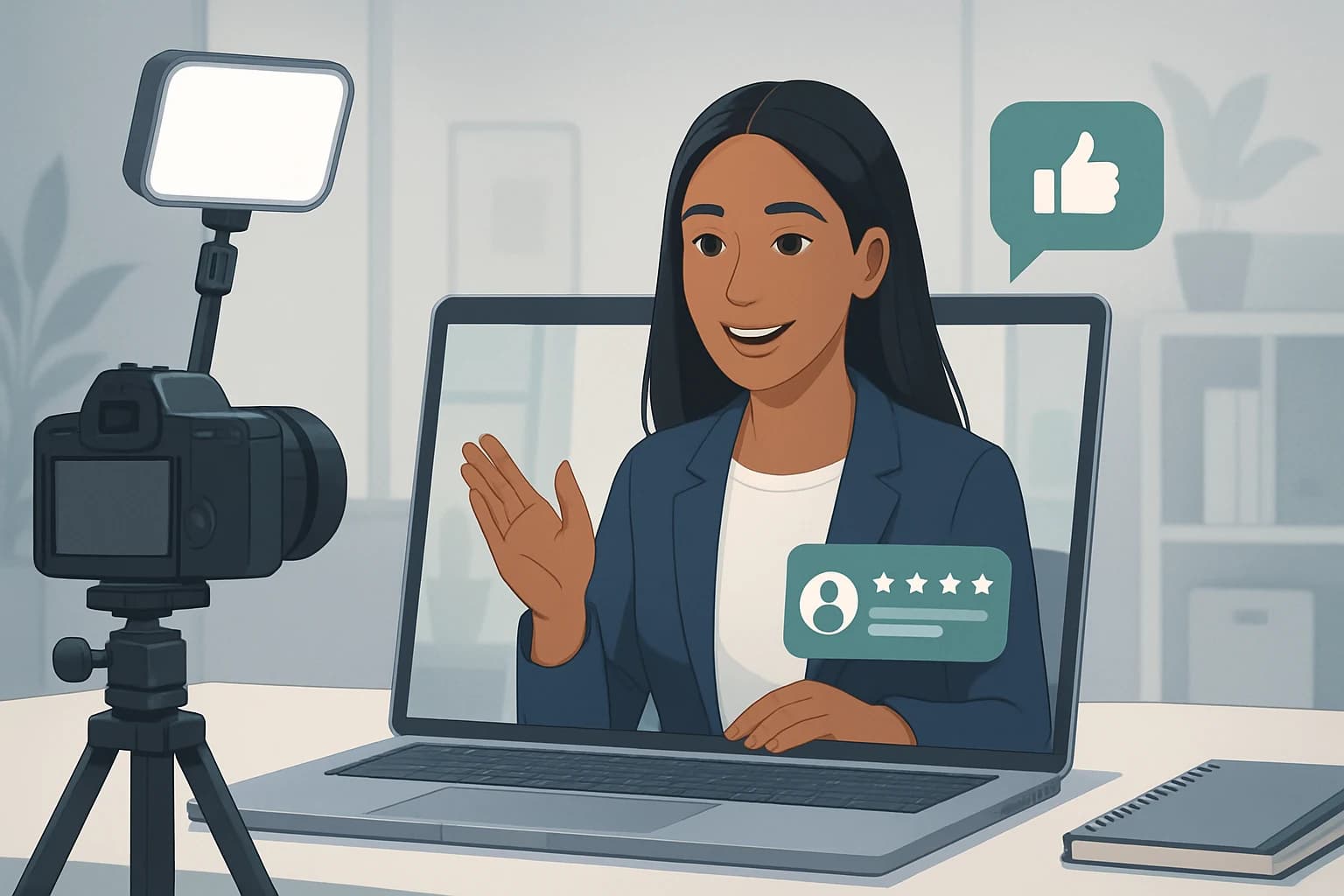
Creating effective video testimonials can significantly enhance your brand's credibility and foster trust among potential customers. By harnessing the power of authentic voices and stories, you can showcase real experiences with your product or service. Imagine a potential customer watching a compelling video testimonial and feeling an instant connection to your brand, leading to increased conversions and loyalty.
In today's digital landscape, video testimonials are more than just marketing tools; they are influential narratives that resonate with audiences. They provide a glimpse into the value your offerings deliver, ultimately driving decision-making. This guide will walk you through the essential steps to create impactful video testimonials that can elevate your marketing strategy.
Key Takeaways
- Video testimonials build trust and credibility by showcasing authentic customer experiences.
- Planning is crucial for effective video testimonials, including the choice of participants and questions.
- Technical quality matters; good lighting, sound, and editing enhance the final product.
- Promotion is essential; leveraging social media and email can maximize reach.
- Measuring impact through viewer engagement metrics helps refine future video content.
What are Video Testimonials and Why Do They Matter?
Video testimonials are short films featuring customers sharing their positive experiences with a product or service. These testimonials typically include personal stories and insights, which help humanize a brand. They serve as powerful endorsements that can sway potential buyers by showcasing real-life success stories.
The importance of video testimonials lies in their ability to build trust and credibility. Consumers are more likely to trust the words of their peers over traditional advertising methods. According to a study by BrightLocal, 79% of consumers trust online reviews just as much as personal recommendations. Video testimonials capitalize on this phenomenon, making them an invaluable asset for any marketing strategy.
Moreover, video testimonials can also enhance your social proof. When potential customers see others—especially those who resemble them or share similar challenges—achieving positive results through your offerings, they are more likely to believe that they too can experience those benefits.
How to Create Effective Video Testimonials: Step-by-Step Guide
Creating effective video testimonials requires careful planning and execution. Here’s a step-by-step guide to help you through the process.
Step 1: Planning the Testimonial Shoot
- Define your goals: What do you want to achieve with these testimonials? Identify the primary message you wish to convey. For example, if your product solves a specific problem, your testimonial should highlight that solution.
- Identify your audience: Understanding your target demographic will help shape your content. Different audiences may respond better to different messaging styles.
- Choose a location: Select a location that reflects your brand and is conducive to filming. This could be your office, a customer’s location, or even a neutral setting that feels comfortable and relatable.
Step 2: Choosing the Right Participants
- Select diverse customers: Ensure a range of voices and experiences, from different demographics and usage scenarios. This diversity will resonate with a broader audience.
- Consider brand advocates: Look for customers who are enthusiastic about your product and willing to share their story. Their passion can create a more compelling narrative.
- Get consent: Always ask for permission to film and use the testimonial in your marketing. Clear communication about how the video will be used is essential.
Step 3: Crafting the Right Questions
Prepare open-ended questions that encourage detailed responses. Consider the following examples:
- What problem were you trying to solve before using our product?
- Can you describe your experience using our product?
- What specific results did you achieve?
- How did our product/service make your life easier or better?
- Would you recommend our product to others? If so, why?
These questions will help draw out personal stories and insights that can resonate with viewers.
Best Practices for Filming Video Testimonials
Filming quality can make or break a video testimonial. Here are some best practices for ensuring great production.
Technical Aspects of Filming
- Use high-quality equipment: Invest in a good camera and microphone to capture clear audio and visuals. High-definition video can significantly enhance viewer engagement.
- Ensure proper lighting: Natural light is ideal, but if filming indoors, use soft lighting to avoid harsh shadows. Consider using reflectors to create a more flattering light on the interviewee's face.
- Stabilize your shots: Use a tripod to keep your camera steady and maintain a professional look. Shaky footage can distract from the content.
Creating a Comfortable Environment for Interviewees
- Choose a quiet location: Minimize background noise to keep the focus on the interviewee. A quiet, controlled environment will lead to higher-quality audio.
- Be friendly and approachable: A relaxed atmosphere helps participants feel comfortable, resulting in more genuine responses. Start with some casual conversation to ease any nerves.
- Rehearse beforehand: Brief your interviewees on what to expect and encourage them to speak naturally. This preparation can help reduce anxiety and result in a more authentic performance.
Editing and Producing Your Video Testimonials
Once filming is complete, the next step is editing and production. This stage is crucial for enhancing the final output.
Choosing the Right Editing Tools
There are several user-friendly video editing tools available, such as:
- Adobe Premiere Pro: Professional software with advanced features suitable for high-quality productions.
- Final Cut Pro: Ideal for Mac users seeking robust editing capabilities and intuitive interface.
- iMovie: A simple option for beginners that can still produce polished results.
Adding Music and Graphics
- Incorporate background music: Choose uplifting music that complements the tone of the testimonial. The right soundtrack can evoke emotion and enhance the viewer's connection to the story.
- Use graphics: Add text overlays or logos to reinforce your branding and key messages. This can include customer names, their titles, and key statistics that support their testimonials.
How to Promote Your Video Testimonials
Creating a great video testimonial is just the beginning. Effective promotion is essential for maximizing its impact.
Distribution Channels for Video Testimonials
- Website: Feature testimonials prominently on your homepage or product pages. Consider creating a dedicated testimonials page to showcase multiple videos.
- YouTube: Utilize this platform for broader reach and SEO benefits. Optimize video titles and descriptions with relevant keywords to increase visibility.
- Social Media: Share clips on platforms like Facebook, Instagram, and LinkedIn. Tailor your posts to each platform’s audience—for instance, shorter clips might work better on Instagram.
Leveraging Social Media and Email Marketing
- Create engaging posts: Use eye-catching thumbnails and quotes from the testimonials to draw in viewers. Utilize hashtags and tag relevant parties to expand reach.
- Include in newsletters: Share testimonials through email marketing campaigns to reach your existing customer base. Highlight the value of the testimonial and how it relates to your audience’s needs.
Measuring the Impact of Video Testimonials
To understand the effectiveness of your video testimonials, it's essential to track key metrics.
Key Metrics to Track
- View count: Monitor how many people are watching your videos. This will give you a sense of your content's reach.
- Engagement rate: Analyze likes, shares, and comments to assess audience interaction. High engagement often indicates that your content resonated well.
- Conversion rate: Measure how testimonials influence customer decisions. Track how many viewers take action (like making a purchase) after watching the video.
Analyzing Viewer Engagement
Use analytics tools like Google Analytics or social media insights to gain insights into viewer behavior. Look for patterns that indicate which testimonials resonate most with your audience. For instance, do certain types of stories lead to higher shares or comments?
Common Mistakes to Avoid When Creating Video Testimonials
While crafting video testimonials, be aware of common pitfalls that can undermine their effectiveness.
- Overly scripted content: Authenticity is key; avoid making testimonials sound rehearsed. Encourage natural dialogue to capture genuine feelings and experiences.
- Neglecting audience targeting: Ensure that the testimonials speak to the intended audience’s needs and preferences. Tailoring content can enhance relevance and impact.
- Ignoring quality: Don't sacrifice video and audio quality; poor production can detract from the message. Invest time in post-production to ensure a polished final product.
Frequently Asked Questions
What makes a good video testimonial?
A good video testimonial is authentic, relatable, and emotionally engaging. It should tell a story that resonates with the audience and clearly highlight the benefits of the product or service.
How long should a video testimonial be?
Typically, a video testimonial should be between 1 to 3 minutes long. This duration is enough to convey the message without losing the viewer's attention. Aim for brevity while ensuring that key points are covered.
Can video testimonials be used for B2B marketing?
Yes, video testimonials are effective in B2B marketing as they build credibility and trust, showcasing how your product or service can solve specific business challenges. Highlight case studies or specific statistics to appeal to a business audience.
What questions should you ask in a video testimonial?
Focus on open-ended questions that encourage detailed responses, such as:
- What were your initial thoughts about our product?
- How has our product impacted your business or daily life?
- Would you recommend our product to others? If so, why?
Conclusion
Creating effective video testimonials can significantly boost your marketing efforts and connect with your audience on a personal level. By following the steps outlined in this guide, you can produce high-quality testimonials that showcase genuine customer experiences.
- Plan your video shoot carefully to ensure clarity of purpose.
- Select the right participants who can authentically represent your brand.
- Invest in quality filming and editing to enhance the final product.
- Promote your testimonials across multiple channels to maximize reach.
- Measure your impact to refine future video content.
Take Your Content to the Next Level
Ready to harness the power of video testimonials for your brand? Start creating authentic stories today, and watch your engagement and conversion rates soar. If you need expert assistance or want to explore additional content strategies, contact us to elevate your marketing game!