
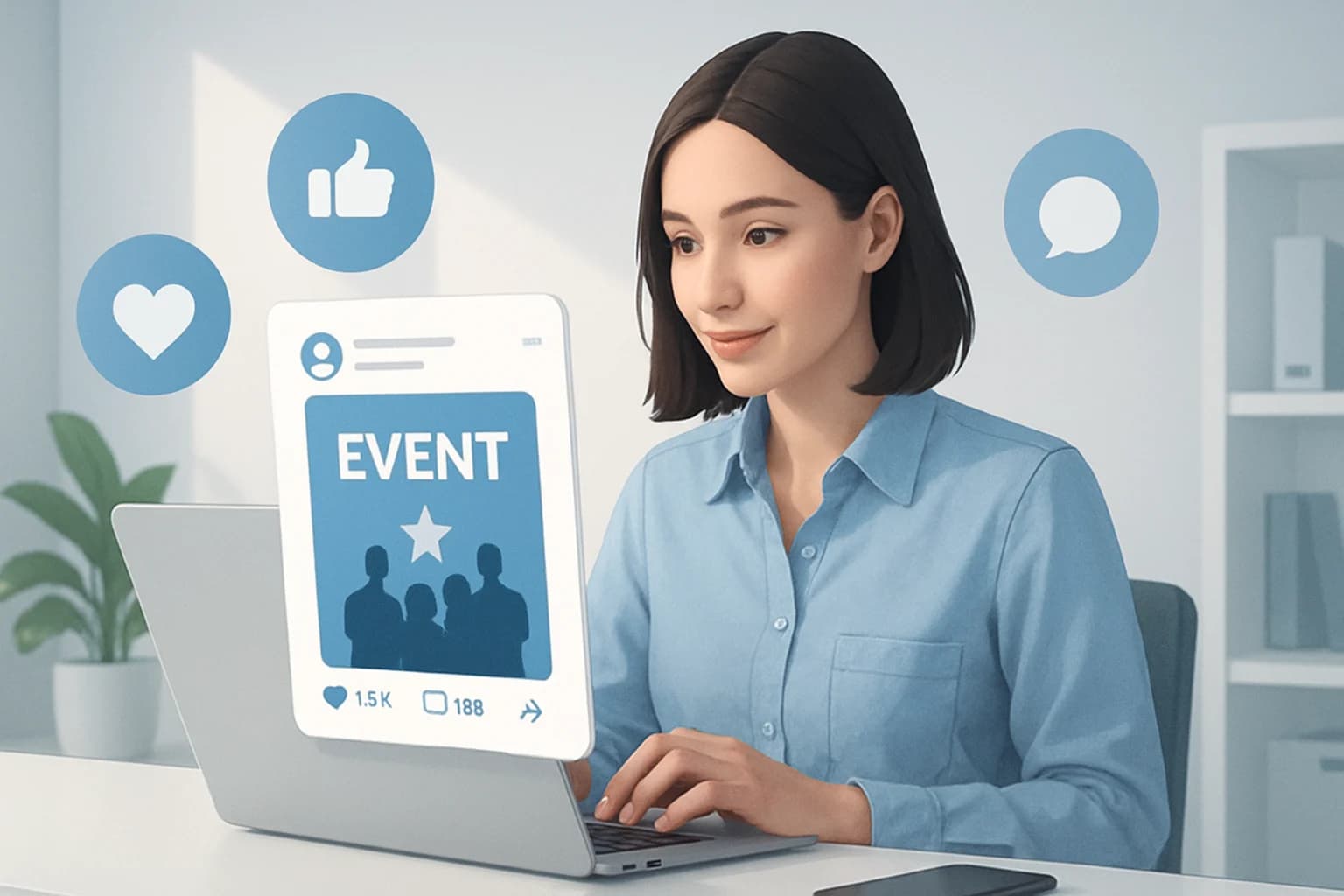
Social media has revolutionized the way we promote events, making it easier than ever to reach a broader audience and engage with attendees. By effectively leveraging platforms like Facebook, Instagram, Twitter, and LinkedIn, you can create buzz around your event, drive ticket sales, and foster a community. Imagine transforming your event promotion strategy into a powerful tool that not only attracts attendees but also builds lasting connections.
In this guide, we will explore how to effectively use social media for event promotion. You will learn the essential steps to create a winning strategy, engage your audience, and measure your success. By the end of this article, you will have a comprehensive understanding of how to harness the potential of social media to maximize your event's impact.
Key Takeaways
- Social media is essential for event promotion, providing a cost-effective way to reach a wide audience.
- Engaging content drives audience interaction, increasing awareness and ticket sales.
- Paid social media advertising can enhance your reach, targeting specific demographics and interests.
- Measuring success through analytics helps refine your strategy, ensuring continuous improvement.
- Avoid common pitfalls to maximize the effectiveness of your event promotion efforts.
What is Social Media Event Promotion?
Social media event promotion refers to the use of social media platforms to market and promote events, such as conferences, concerts, workshops, and festivals. This approach leverages the vast reach and engagement potential of social media to connect with potential attendees and generate excitement.
The importance of social media in modern event marketing cannot be overstated. As consumers increasingly turn to social media for information, recommendations, and community engagement, businesses must adapt their marketing strategies accordingly. Social media allows event organizers to connect directly with their audience, share updates, and create a sense of community around their events.
For instance, a music festival might use Instagram to share behind-the-scenes footage of the lineup rehearsing, creating a sense of anticipation and excitement among fans. This direct engagement is invaluable, as it promotes a sense of ownership and connection to the event.
Why Use Social Media for Event Promotion?
Utilizing social media for event promotion offers numerous benefits, including:
- Increased visibility: Social media platforms have billions of active users, providing a vast audience for your event.
- Cost-effectiveness: Compared to traditional marketing methods, social media advertising can be more affordable and offers better targeting options.
- Engagement opportunities: Social media allows for real-time interaction with your audience, fostering engagement and excitement.
- Shareability: Attendees can easily share event details within their networks, amplifying your reach.
Statistics show the significance of social media in event promotion:
- Over 50% of event organizers report that social media is their most effective marketing channel.
- 77% of event attendees use social media to discover events.
- Events promoted on social media see an average engagement rate of 20% higher than those using traditional methods.
These statistics illustrate not only the reach of social media but also its role as a vital tool in the event promotion arsenal. A well-crafted social media campaign can significantly enhance the visibility and appeal of your event.
How to Create an Effective Social Media Strategy for Events
Developing a successful social media strategy for your event involves several key steps:
- Set clear goals: Identify what you want to achieve, such as ticket sales, brand awareness, or community engagement. For example, if your goal is to sell 500 tickets, all your promotional efforts should be directed toward achieving that number.
- Identify your target audience: Understand who your ideal attendees are and what platforms they use. Creating personas can help clarify this. Are you targeting college students, professionals, or families?
- Choose the right platforms: Focus on social media channels that align with your audience. For instance, Facebook is great for community engagement, Instagram is ideal for visually-driven content, LinkedIn works well for professional events, and Twitter is excellent for real-time updates.
- Create a content calendar: Plan your posts leading up to the event, including promotional content, sneak peeks, and engagement posts. A content calendar not only helps in organizing your posts but also in ensuring that you maintain a consistent voice and message.
Once you have identified your target audience, tailor your content to meet their preferences. This might include creating polls, sharing behind-the-scenes content, or highlighting keynote speakers.
Example of a Content Calendar for Event Promotion
| Date | Content Type | Platform | Description |
|---|---|---|---|
| 4 weeks out | Promotional Post | Announce event date, location, and lineup. | |
| 3 weeks out | Behind-the-Scenes | Share a video of the venue setup. | |
| 2 weeks out | Countdown Reminder | Daily countdown with fun facts about the event. | |
| 1 week out | Speaker Spotlight | Highlight keynote speakers with short bios. | |
| 1 day out | Final Reminder | All | Last chance to buy tickets – share ticket link. |
Best Practices for Engaging Your Audience
To effectively engage your audience on social media, consider the following techniques:
- Create visually appealing content: Use high-quality images, videos, and graphics to capture attention. For instance, a vibrant photo of last year's event can evoke memories and excitement.
- Incorporate interactive elements: Polls, quizzes, and live Q&A sessions can enhance engagement and encourage participation. For example, hosting a live Q&A with a featured speaker can generate buzz and answer attendee questions.
- Share user-generated content: Encourage attendees to share their experiences and tag your event, which can help build credibility and excitement. You might create a unique event hashtag to facilitate this sharing.
"Engagement is not just about likes and shares; it's about creating meaningful connections with your audience." — Social Media Expert
Incorporating these strategies can create a dynamic and interactive online community leading up to your event.
Leveraging Paid Advertising for Event Promotion
Paid advertising on social media can significantly enhance your event promotion efforts. Here’s how to make the most of it:
- Choose the right ad type: Options include image ads, video ads, carousel ads, and event response ads. Each type serves a different purpose; for instance, video ads can provide a more immersive experience, while carousel ads can showcase multiple aspects of the event.
- Target your audience: Use demographic and interest-based targeting to reach potential attendees effectively. For example, if you are organizing a tech conference, you can target individuals who have shown interest in technology, innovation, and related fields.
- Set a budget: Determine how much you’re willing to spend and allocate your budget accordingly. Start with a small budget to test ad performance and adjust as necessary.
- Monitor and optimize: Track the performance of your ads and make adjustments as needed to improve results. Utilize A/B testing to see which ads perform better and refine your strategy accordingly.
Example of Ad Targeting
- Demographics: Age, gender, location
- Interests: Technology, music, art, education
- Behaviors: Engaged shoppers, event attendees
The ability to refine your audience ensures that your promotional efforts are not wasted on individuals who are unlikely to attend your event.
Measuring Success: Analytics and Metrics
To evaluate the effectiveness of your social media event promotion, track key metrics such as:
- Engagement rate: Likes, comments, shares, and overall interactions with your posts. A high engagement rate indicates that your content resonates with your audience.
- Reach and impressions: The number of unique users who see your content and how often it is displayed. This helps you understand how far your message is spreading.
- Click-through rate (CTR): The percentage of users who click on your event link after seeing your post. A higher CTR indicates effective messaging and interest in your event.
- Conversion rate: The percentage of users who complete a desired action, such as purchasing tickets. This is the ultimate measure of your promotional success.
By analyzing these metrics, you can gain insights into what works and what doesn’t, allowing you to refine your strategy for future events. Consistent tracking helps you adapt your approach, ensuring that each event promotion is more effective than the last.
Common Mistakes to Avoid in Social Media Event Promotion
Even seasoned marketers can fall into common pitfalls. Here are frequent mistakes to avoid:
- Neglecting audience engagement: Failing to respond to comments or messages can alienate potential attendees. Always prioritize interactions to maintain a positive relationship with your audience.
- Over-posting or under-posting: Striking the right balance in your posting frequency is key to maintaining interest without overwhelming your audience. Utilize your content calendar to stay consistent.
- Not using visuals: Text-heavy posts can be less engaging; incorporate images and videos to enhance appeal. A post with visuals is more likely to capture attention.
- Ignoring analytics: Failing to track performance can lead to missed opportunities for improvement. Regularly review your metrics to understand your audience's preferences and behaviors.
By acknowledging and addressing these common mistakes, you can enhance your event promotion strategy and ensure a successful turnout.
Future Trends in Social Media Event Promotion
As social media continues to evolve, so do the trends in event promotion. Here are emerging trends to consider:
- Live streaming: Broadcasting events in real-time can expand your reach and provide an engaging experience for remote attendees. Platforms like Facebook Live or Instagram Live allow for direct interaction with your audience.
- Augmented reality (AR): AR can create interactive experiences that enhance event engagement. For instance, AR filters or experiences can attract attention and provide attendees with unique content.
- Personalization: Tailoring content and ads to individual preferences can improve attendee engagement and conversion rates. Use data analytics to segment your audience and craft personalized messages.
Staying ahead of these trends will ensure that your event promotion efforts remain relevant and impactful. Incorporating innovative strategies can differentiate your events in a crowded marketplace.
Frequently Asked Questions
What social media platforms are best for event promotion?
The best platforms vary based on your target audience. Facebook is great for community engagement, Instagram is ideal for visual content, and LinkedIn works well for professional events. Understanding where your audience spends their time is crucial for effective promotion.
How do you create content for event promotion on social media?
Focus on a mix of promotional posts, engaging visuals, behind-the-scenes content, and user-generated content. Utilize polls and interactive elements to encourage participation. The key is to diversify your content to keep the audience engaged.
What is the best time to promote an event on social media?
Generally, the best times to post are mid-week and during peak hours when your audience is most active, typically around lunch and early evening. Testing different times can help identify when your audience is most responsive.
Conclusion
In summary, effectively using social media for event promotion involves a strategic approach that includes:
- Setting clear goals and identifying your target audience.
- Creating engaging content that resonates with your audience.
- Leveraging paid advertising to boost visibility.
- Measuring success through analytics and refining your strategy.
Now is the time to take action and elevate your event promotion efforts. Implementing these strategies will not only enhance your event's visibility but also foster a community that can lead to lasting connections and future successes.
Take Your Content to the Next Level
Are you ready to transform your event promotion strategy? Start implementing these tips today to maximize your visibility and engagement. Let’s make your next event unforgettable!