
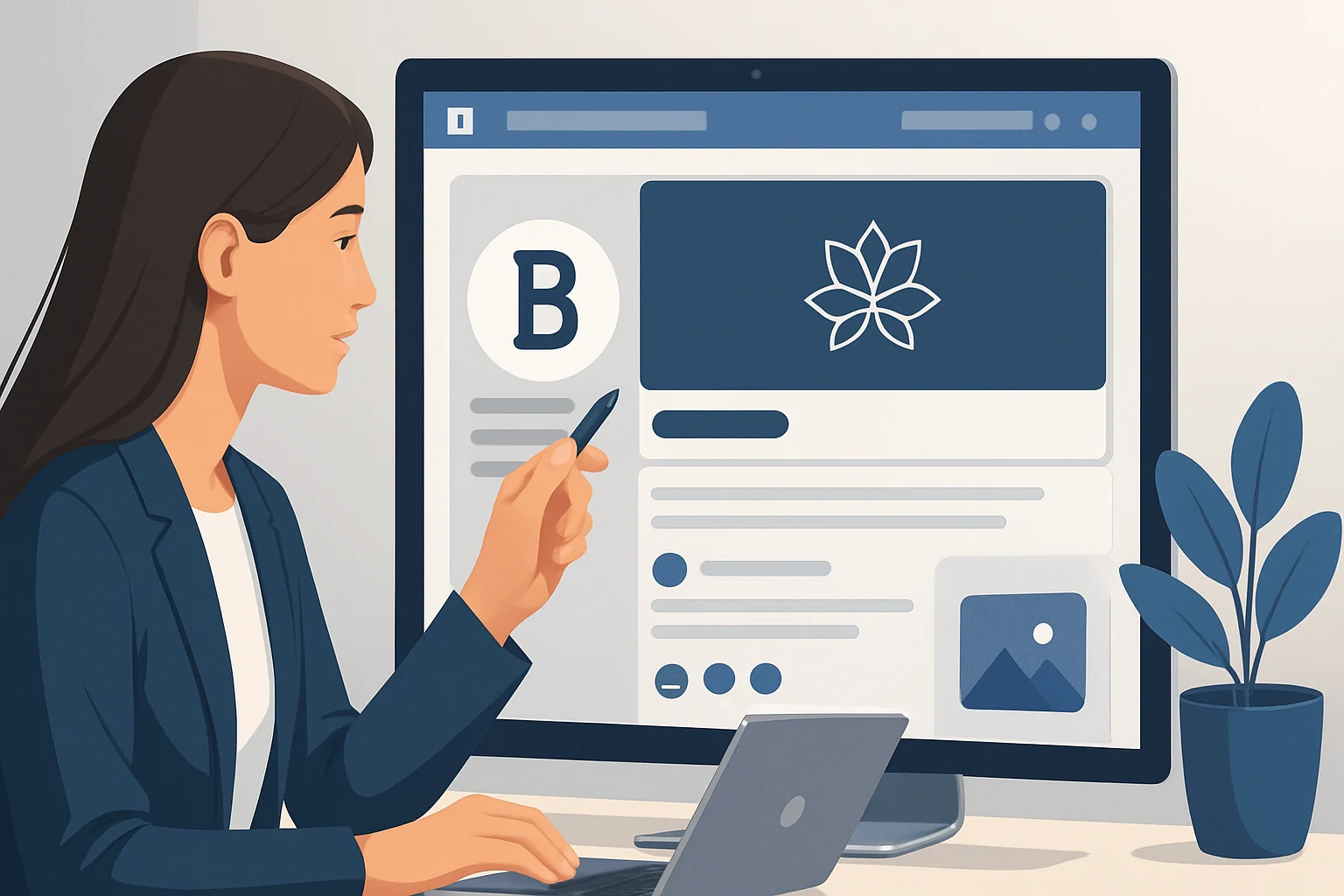
In today's digital landscape, your social media profiles serve as the first impression of your brand. When optimized effectively, they can transform casual visitors into loyal followers and customers. By refining your brand's presence online, you not only enhance visibility but also cultivate trust and engagement with your audience. This guide will walk you through the essential steps to optimize your social media profiles for branding, ensuring you stand out in a crowded marketplace.
Imagine your social media profiles as the storefront of your business. If the display isn't appealing or informative, potential customers will walk right past. On the flip side, a well-optimized profile can draw people in, spark interest, and encourage meaningful interactions. As we delve deeper, you'll learn how to craft profiles that not only reflect your brand's identity but also resonate with your target audience.
Optimizing your social media profiles is not just an aesthetic endeavor; it's a strategic approach to building a robust online presence. From choosing the right images to crafting engaging bios, every detail matters in the quest to communicate your brand's story effectively.
Key Takeaways
- A strong social media profile enhances brand visibility and trust.
- Consistency in branding elements across platforms is crucial for recognition.
- Engaging bios and contact information are key to audience interaction.
- Measuring the effectiveness of your optimization efforts is essential for growth.
- Avoid common pitfalls like inconsistency and neglecting audience engagement to succeed.
What is Social Media Profile Optimization?
Social media profile optimization refers to the process of enhancing your social media profiles to improve brand visibility, engagement, and overall effectiveness. This includes everything from the choice of images to the wording in your bio, ensuring that each element aligns with your brand identity.
The importance of branding in social media cannot be overstated. A well-optimized profile not only attracts attention but also establishes credibility. In a world where users have countless options, presenting a cohesive and appealing brand image can make all the difference.
Why Optimize Social Media Profiles for Branding?
Impact on Brand Visibility
When your social media profiles are optimized, they appear more prominently in search results. This visibility is crucial for attracting new followers and potential customers. For instance, businesses that utilize relevant keywords and hashtags often find themselves appearing higher in search results, leading to increased traffic to their profiles and ultimately to their websites.
Influence on Audience Engagement
An optimized profile encourages engagement. When users see a professional and appealing profile, they are more likely to interact with your content, whether through likes, shares, or comments. This interaction can lead to increased brand loyalty and word-of-mouth promotion. Engaging social media profiles can see up to 50% more engagement than those that are poorly optimized.
"Your social media profiles are the gateway to your brand. Make them inviting and informative to turn visitors into advocates."
Key Elements of an Optimized Social Media Profile
Profile and Cover Images
-
Choose high-quality images: Your profile picture should be clear and representative of your brand. Use your logo for business accounts and a professional photo for personal brands. Studies show that profiles with high-quality images receive up to 35% more engagement.
-
Utilize cover images effectively: These should reflect your brand's latest campaigns or core values. Make sure they are visually appealing and sized correctly for each platform. For example, Facebook cover images should be 820 x 312 pixels, while Twitter cover photos are best at 1500 x 500 pixels.
Bio and Contact Information
-
Craft a compelling bio: Use concise language that captures your brand's essence. Include relevant keywords that reflect your niche. For example, if you're a fitness coach, terms like "wellness," "nutrition," and "personal training" can help your profile appear in relevant searches. Aim for a balance of professionalism and personality to make your bio engaging.
-
Provide contact information: Make it easy for users to reach out. Include your email, website, or other contact methods. Consider using a call-to-action (CTA), such as “DM us for inquiries” or “Visit our website for more information.”
Consistency in Branding Elements
-
Maintain uniformity across platforms: Use the same profile pictures, cover images, and bios where possible. This creates a cohesive brand presence, making it easier for your audience to recognize you across different platforms. For instance, if your Instagram displays a vibrant blue theme, your Facebook and Twitter profiles should also incorporate similar colors and styles.
-
Adhere to your brand's voice: Whether formal or casual, your tone should be consistent across all posts and interactions. This consistency not only helps in brand recognition but also builds trust among your audience.
How to Optimize Your Social Media Profiles for Branding
Step-by-Step Process for Profile Optimization
-
Audit your current profiles: Identify areas needing improvement. Look for inconsistencies in branding, outdated information, or lackluster visuals.
-
Select appropriate images: Ensure they align with your brand identity. Consider conducting A/B tests to see which images perform better in terms of engagement.
-
Write an engaging bio: Focus on what sets your brand apart. Use a mix of keywords, personality, and a clear statement of purpose.
-
Include contact details: Make it easy for followers to connect. Ensure these details are updated regularly, especially if there are changes.
-
Link to your website and other platforms: Drive traffic to your main site. Including a link to your latest blog post or product launch can create a direct route for followers to learn more about your offerings.
Best Practices for Each Social Media Platform
-
Facebook: Utilize the 'About' section effectively. Incorporate keywords and links. Consider using Facebook Stories to highlight promotions and updates.
-
Instagram: Prioritize visuals; use highlights to showcase key offerings. Regularly update your story highlights to keep them relevant.
-
Twitter: Keep bios succinct. Use hashtags wisely and engage with followers regularly. Participate in trending conversations to increase your visibility.
-
LinkedIn: Focus on your professional achievements and include a detailed description of your services. Encourage recommendations from colleagues to enhance credibility.
Measuring the Impact of Your Social Media Optimization
Key Performance Indicators (KPIs)
-
Engagement Rate: Likes, shares, and comments should be monitored to gauge audience interaction. A higher engagement rate indicates that your audience finds value in your content.
-
Follower Growth: Track how many new followers you gain after optimization. Tools like Followerwonk can provide insights into follower demographics and growth trends.
-
Website Traffic: Use analytics to see if your social media profiles are driving traffic to your site. Google Analytics can help you track the sources of your website traffic effectively.
-
Conversion Rates: Measure how many followers are turning into customers. This can be done by tracking sales from social media referrals or using promo codes specifically for social media campaigns.
Tools for Measuring Social Media Effectiveness
-
Google Analytics: Track traffic metrics from social media. Set up goals to measure specific actions taken on your website by visitors from social media.
-
Hootsuite: Monitor engagement and follower growth across platforms. This tool allows you to schedule posts and analyze the performance of your content.
-
Sprout Social: Analyze social media performance and audience insights. Their reporting features provide a comprehensive overview of your social media impact.
Common Mistakes to Avoid When Optimizing Social Media Profiles
-
Inconsistency in Branding: Ensure all your profiles reflect a unified brand image. Inconsistencies can confuse your audience and dilute brand recognition.
-
Neglecting Audience Engagement: Failing to respond to comments or messages can harm your brand's reputation. Engage actively with your audience to build community and loyalty.
-
Overlooking Bio and Contact Information: Always provide a way for potential customers to reach you easily. Profiles lacking clear contact information can lead to missed opportunities.
Future Trends in Social Media Branding
Emerging Trends in Social Media Branding
-
Video Content: The rise of platforms like TikTok has made video a critical component of branding. Brands that leverage video can tell stories in dynamic ways, capturing attention more effectively than static content.
-
Influencer Collaborations: Partnering with influencers can enhance credibility and reach. This strategy allows brands to tap into the influencer's audience, gaining exposure to potential customers who may not have been aware of the brand.
-
Personalization: Tailoring content to specific audiences is becoming increasingly important. Brands that use data to customize messages can engage their audience on a deeper level, fostering loyalty and driving conversions.
How to Stay Ahead in Profile Optimization
-
Stay updated on platform changes and trends. Regularly review the latest features offered by social media platforms to take advantage of new opportunities for engagement.
-
Regularly review and adjust your branding strategy based on performance data. Use analytics to understand what works and what doesn’t, and be willing to pivot your strategy accordingly.
-
Experiment with new formats and content types to engage your audience. Live videos, stories, and polls can add variety and keep your audience interested.
Frequently Asked Questions
How do you optimize a social media profile?
To optimize a profile, focus on high-quality images, compelling bios, consistent branding, and clear contact information. Regularly update your profile to reflect current campaigns and offerings.
What are the benefits of optimizing social media profiles?
Benefits include increased brand visibility, enhanced audience engagement, and improved trust and credibility among followers. An optimized profile can lead to higher conversion rates and customer loyalty.
What should be included in a social media profile for branding?
Include a high-quality profile picture, a well-crafted bio, consistent branding elements, and accessible contact information. Make sure to also link to your website or relevant pages.
What are the best practices for social media branding?
Best practices involve maintaining consistency across platforms, engaging with your audience regularly, and utilizing analytics for continuous improvement. Regular audits of your profiles are also advisable to ensure they meet current branding standards.
Conclusion
Optimizing your social media profiles is essential for effective branding in the digital age. By focusing on key elements like images, bios, and consistency, you can craft profiles that attract and engage your audience.
- Audit your profiles regularly for improvements.
- Use high-quality images that reflect your brand.
- Engage with your audience consistently for better interaction.
Take Your Content to the Next Level
Ready to elevate your social media presence? Start implementing these strategies today and watch your brand flourish. For personalized assistance or advanced social media solutions, reach out to our team and take your content to the next level!