
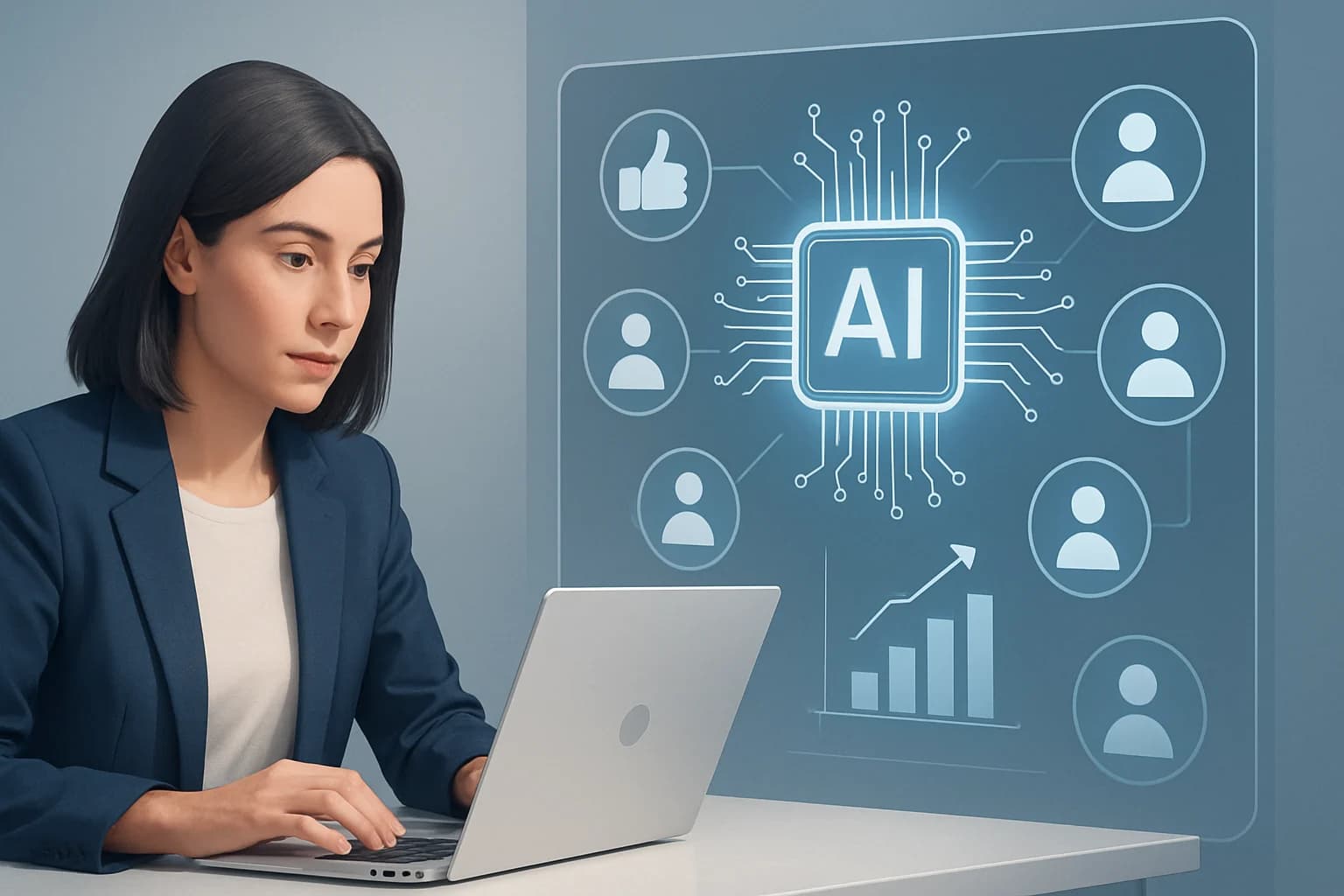
Using AI for audience targeting on social media can transform your marketing efforts, allowing you to connect with the right people at the right time. Imagine being able to reach potential customers who are not just interested in what you offer but are also more likely to engage and convert. With the power of artificial intelligence (AI), this is no longer a distant dream but a present reality that can enhance your marketing strategy significantly.
In an era where consumers are inundated with ads, effective audience targeting becomes more crucial than ever. AI helps marketers sift through vast amounts of data, offering insights that drive better decision-making. This guide will walk you through the essentials of using AI for audience targeting on social media, ensuring that your campaigns not only reach a broader audience but also resonate with them profoundly.
Key Takeaways
- AI enhances audience targeting by analyzing large datasets faster and more accurately than humans can.
- Predictive analytics allows marketers to anticipate user behavior, leading to more effective marketing strategies.
- Selecting the right AI tools is critical for successful implementation and analysis of audience targeting efforts.
- Ethical considerations are essential when using AI to ensure fair and responsible targeting practices.
- Emerging trends in machine learning will continue to shape the future of audience targeting, making it more precise.
What is AI for Audience Targeting and Why Does It Matter?
Artificial Intelligence (AI) in marketing refers to the use of algorithms and machine learning to analyze data, automate tasks, and predict outcomes. In the context of audience targeting, AI can identify patterns in consumer behavior, making it easier for marketers to reach specific demographics effectively.
The importance of audience targeting cannot be overstated. It ensures that marketing messages are directed towards those most likely to engage with and benefit from the product or service. By leveraging AI, companies can optimize their strategies, ultimately leading to higher conversion rates and a better return on investment (ROI).
Why Audience Targeting Matters
Understanding your audience is fundamental for effective marketing. Here are several reasons why audience targeting matters:
- Relevance: Targeting ensures that the right message reaches the right audience, increasing the chances of engagement.
- Cost-Effectiveness: By focusing on segments that are more likely to convert, businesses can optimize their advertising spend.
- Brand Loyalty: Personalized interactions lead to improved customer experiences, fostering loyalty over time.
- Competitive Advantage: Brands that effectively target their audience can outperform competitors who take a broader, less focused approach.
How Does AI Enhance Audience Targeting on Social Media?
Data Analysis Capabilities
AI's data analysis capabilities are unparalleled. Here’s how AI enhances audience targeting:
- Aggregation of Data: AI can analyze vast amounts of data from various sources, including social media platforms, websites, and customer interactions. This aggregation offers a comprehensive view of potential customers.
- Segmentation: AI algorithms can segment audiences based on demographics, interests, and behaviors, allowing for more personalized marketing. For instance, a fitness brand might target young professionals interested in health and wellness with tailored content.
- Real-time Insights: With AI, marketers can receive real-time insights about audience behavior, enabling swift adjustments to campaigns. If a post isn’t performing well, marketers can identify this promptly and change their strategy accordingly.
Predictive Analytics and User Behavior
Predictive analytics, powered by AI, helps marketers forecast future behavior based on past interactions. This means:
- Behavioral Predictions: Marketers can predict which users are likely to engage with their content or convert into customers. For example, if a user frequently interacts with posts about skincare, they may be targeted with promotions related to beauty products.
- Enhanced Targeting: By understanding user behavior, marketers can tailor their messages to suit specific audience segments, increasing engagement rates. AI can help craft messages that resonate with different segments, enhancing overall performance.
- Optimized Ad Spend: Predictive analytics helps in allocating resources efficiently, ensuring that ad budgets are spent on the most promising leads. This can significantly reduce wasted ad spend and improve ROI.
Step-by-Step Guide: How to Use AI for Audience Targeting
Identify Your Target Audience
- Analyze Existing Data: Start by looking at your current audience. Use AI tools to analyze their demographics, interests, and behaviors. Tools like Google Analytics can provide insight into who your visitors are and what they’re interested in.
- Define Personas: Create detailed customer personas based on the data collected to represent your ideal customers. These personas should include demographics (age, gender, location), psychographics (interests, values), and buying behavior.
- Utilize Surveys and Feedback: Gather direct input from your audience to refine your understanding of their preferences. Surveys can help you glean insights that data alone may not reveal, such as customer satisfaction and suggestions for improvement.
Select the Right AI Tools
Choosing the right tools is crucial for effective audience targeting. Some popular options include:
- Google Analytics: Provides insights into website traffic and user behavior, allowing you to understand where your audience comes from and how they interact with your content.
- Hootsuite Insights: Offers social listening capabilities to track brand mentions and audience sentiment, helping you gauge how your audience feels about your brand.
- Facebook Audience Insights: Analyzes data from Facebook users to help refine targeting strategies, giving you a deeper understanding of audience demographics and interests.
Implement and Analyze
- Create Targeted Campaigns: Use the insights gathered to develop campaigns tailored to your defined audience segments. For example, if you have identified a segment interested in eco-friendly products, craft campaigns that highlight your sustainability initiatives.
- Monitor Performance: Regularly check the performance of your campaigns using AI analytics tools to assess engagement and conversion rates. Metrics such as click-through rates (CTR), cost per conversion, and engagement rates will provide valuable insights.
- Refine Strategies: Based on the insights, continually refine your audience targeting strategies for better results. If a particular segment is underperforming, consider adjusting your messaging or targeting.
Popular AI Tools for Audience Targeting on Social Media
Several AI tools can help enhance your audience targeting strategies:
1. HubSpot
- Features: CRM integration, lead scoring, and behavior tracking.
- Benefits: Allows for personalized marketing based on user interactions and preferences, making it easier to nurture leads.
2. AdRoll
- Features: Retargeting capabilities, cross-channel marketing.
- Benefits: Helps in reaching users across various platforms, increasing brand visibility and keeping your brand top-of-mind.
3. Sprout Social
- Features: Social listening, analytics reporting, and audience engagement tools.
- Benefits: Offers insights into audience sentiment and behavior, enabling targeted outreach and better customer engagement.
4. Salesforce Einstein
- Features: Predictive lead scoring and automated recommendations.
- Benefits: Enhances sales and marketing alignment through data-driven insights, helping teams work more efficiently together.
Case Studies: Successful AI Audience Targeting Campaigns
Example 1: Coca-Cola
Coca-Cola used AI to analyze social media sentiments and consumer preferences. By tailoring their campaigns to align with current trends, they effectively engaged younger audiences. For example, their "Share a Coke" campaign personalized bottles with popular names, which led to a significant increase in social media engagement.
Example 2: Netflix
Netflix employs AI algorithms to analyze viewer behavior and preferences. By offering personalized recommendations based on viewing history, they have significantly improved viewer engagement and retention rates. Their ability to suggest shows and movies tailored to individual user tastes has been a key factor in their success.
Lessons Learned
- Understanding audience preferences can lead to more effective campaigns.
- Real-time data analysis helps brands stay relevant and responsive, allowing them to adjust strategies quickly to meet changing consumer demands.
Challenges and Considerations When Using AI for Audience Targeting
Potential Pitfalls
- Over-Reliance on Data: While data is essential, human intuition still plays a role in understanding complex consumer needs. Balancing data-driven decisions with creative insights is crucial.
- Inaccurate Data: Poor data quality can lead to misguided targeting efforts, resulting in wasted resources and missed opportunities. Consistently validate and clean your data to ensure accuracy.
- Limited Scope: Relying solely on AI may overlook emerging trends or shifts in consumer behavior. Keeping an eye on the broader market landscape is essential for adapting your strategies effectively.
Ethical Considerations in AI Targeting
- Privacy Concerns: Ensure compliance with data protection regulations and respect user privacy. Be transparent about data collection practices and provide users with options to control their data.
- Bias in Algorithms: Regularly review AI algorithms to prevent biases that could skew targeting efforts. Implementing fairness audits can help identify and rectify any biases in your targeting strategies.
Future Trends in AI and Social Media Audience Targeting
As technology evolves, so will audience targeting strategies. Some emerging trends include:
- Increased Use of Machine Learning: Machine learning algorithms will become more sophisticated, offering deeper insights into consumer behavior and preferences.
- Greater Personalization: AI will enable hyper-personalized marketing strategies, tailoring content to individual user preferences based on their interactions and behaviors.
- Integration with Augmented Reality (AR): Expect to see AI combined with AR for immersive advertising experiences, allowing users to interact with products in a virtual environment.
Frequently Asked Questions
How can AI improve social media marketing?
AI can enhance social media marketing by providing insights into audience behavior, enabling better targeting, and optimizing ad spend through predictive analytics.
What are the benefits of using AI for audience targeting?
The benefits of using AI include increased accuracy in targeting, real-time insights, improved engagement rates, and the ability to adapt campaigns swiftly based on data.
What AI tools can I use for social media targeting?
Some popular AI tools for social media targeting include Google Analytics, Hootsuite Insights, Facebook Audience Insights, and HubSpot.
Is using AI for audience targeting cost-effective?
Yes, while there is an initial investment, the improved targeting and increased conversion rates typically result in a better return on investment.
Can AI predict future consumer behavior accurately?
AI can provide insights based on historical data and trends, allowing for reasonably accurate predictions of future behavior, although it may not be infallible.
Conclusion
Harnessing AI for audience targeting on social media is a game-changer for marketers. By following the steps outlined in this guide, you can significantly improve your marketing efforts.
- Utilize AI tools for data analysis and audience segmentation.
- Implement targeted campaigns based on insights from predictive analytics.
- Monitor and refine strategies to ensure ongoing success.
Take Your Content to the Next Level
Are you ready to transform your social media marketing strategy? Start implementing AI for audience targeting today and watch your engagement soar. Don't hesitate to reach out for expert advice or assistance in leveraging AI technologies for your brand's success. The future of audience targeting is not just about reaching more people—it's about reaching the right people.