
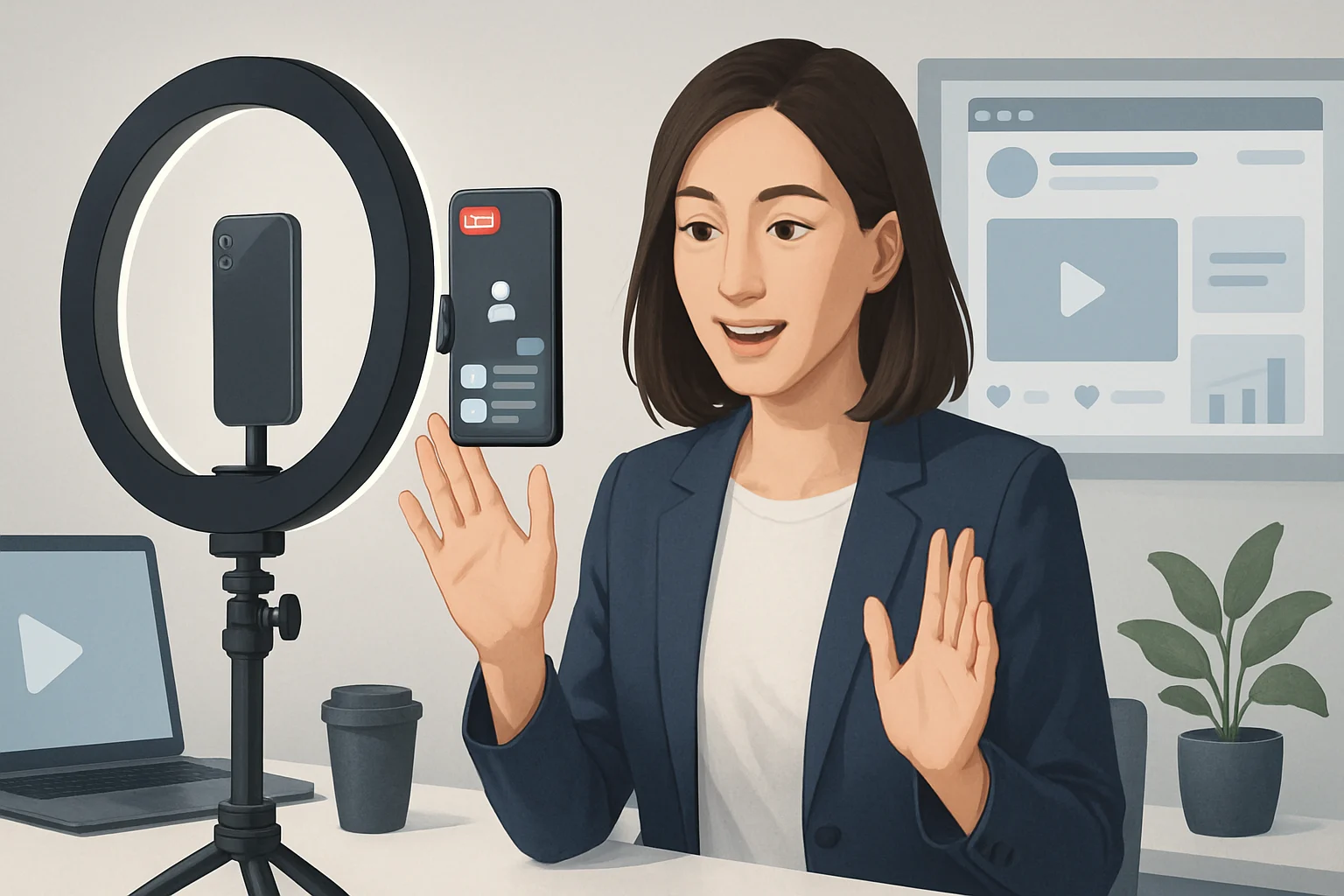
Utilizing live video for social media marketing can transform your outreach and engagement, allowing brands to connect with their audience in real-time. By leveraging the immediacy of live broadcasts, you can create a sense of urgency and authenticity that pre-recorded videos simply cannot match. Imagine being able to answer questions from your audience instantly, showcase products live, or even host events that engage viewers around the globe—all through the power of live video.
In today's digital landscape, where attention spans are shrinking and competition is fierce, live video offers a unique opportunity to stand out. With platforms like Facebook, Instagram, and YouTube prioritizing live content, brands have the chance to not only reach but also engage their target audiences more effectively. As we dive deeper into this guide, you'll learn how to harness the power of live video to elevate your social media marketing efforts.
Key Takeaways
- Live video enhances engagement by allowing real-time interaction with your audience.
- Choosing the right platform is essential for maximizing reach and impact.
- Quality equipment and software are critical for delivering a professional live stream.
- Effective promotion strategies can significantly increase viewer numbers and participation.
- Measuring success through KPIs allows you to refine and improve future campaigns.
What is Live Video and Why Does it Matter for Social Media Marketing?
Live video refers to the streaming of video content in real-time, allowing viewers to watch the broadcast as it happens. This format has gained immense popularity due to its dynamic nature and the ability to facilitate direct interaction between brands and their audience. Live video can include anything from product launches to Q&A sessions and behind-the-scenes glimpses.
The importance of live video in the digital landscape is underscored by its ability to foster a sense of community and connection. Unlike traditional videos, live broadcasts encourage immediate feedback and interaction, making viewers feel more involved. This level of engagement is invaluable for brands looking to build loyalty and trust with their audience.
Examples of live video applications include:
- Product demonstrations: Showcasing a new product in real-time allows potential customers to see it in action.
- Live interviews: Bringing in industry experts or influencers can enhance credibility and attract a wider audience.
- Behind-the-scenes tours: Giving viewers an insider look at your operations fosters transparency and trust.
How to Create a Successful Live Video Strategy?
Creating a successful live video strategy involves several key steps:
Setting Goals for Live Video Content
- Define your objectives: Are you looking to increase brand awareness, drive sales, or foster community? Clear objectives guide your content creation.
- Establish measurable targets: For instance, aim for a specific number of viewers or engagement rates within a set timeframe. This could be a goal to achieve 500 live viewers or 100 comments during the stream.
Identifying Your Target Audience
- Know your audience demographics: Understand their interests, preferences, and online behavior. Utilize tools like Facebook Insights or Google Analytics.
- Tailor content to audience needs: Create live video content that resonates with your target viewers, ensuring it aligns with their interests and pain points.
Choosing the Right Platform for Live Streaming
- Evaluate platform capabilities: Consider the features each platform offers, such as audience interaction tools and streaming quality. For example, Facebook Live allows for real-time comments, while Instagram Live focuses on mobile accessibility.
- Assess where your audience is most active: Focus on platforms like Facebook Live, Instagram Live, or YouTube that align with your audience. Conduct a survey or analyze engagement metrics to determine where your viewers prefer to engage.
What Equipment Do You Need for Live Streaming?
To produce high-quality live video, investing in the right equipment is crucial. Here are the essentials:
Essential Equipment for High-Quality Live Video
- Camera: A good quality webcam or DSLR camera can significantly enhance video clarity. The Logitech C920 is a popular choice for webcams, while a Canon EOS M50 can provide professional-grade quality.
- Microphone: Clear audio is critical; consider a shotgun or lavalier microphone. Brands like Blue Yeti or Rode offer great options for capturing sound.
- Lighting: Ensure proper lighting with softbox lights or ring lights to avoid harsh shadows. Soft, diffused lighting creates a professional look and enhances viewer experience.
Software and Tools for Live Streaming
- Streaming Software: Tools like OBS Studio or Streamlabs allow for advanced features like overlays and scene transitions, enhancing the production quality of your live stream.
- Internet Connection: A stable, high-speed internet connection is essential to prevent buffering. Aim for at least 5 Mbps upload speed for a smooth streaming experience.
How to Promote Your Live Video Before and After Streaming?
Promoting your live video is key to maximizing reach and engagement.
Strategies for Pre-Live Promotion
- Announce in advance: Use social media posts, stories, and email newsletters to notify your audience about the upcoming live event. Create an event on Facebook or use Instagram Stories to generate excitement.
- Create buzz: Tease content or guest appearances to generate excitement. Share snippets or behind-the-scenes content leading up to the event.
- Utilize countdowns: Platforms like Instagram offer countdown stickers to remind followers of your live session. This creates anticipation and encourages viewers to tune in.
Engagement Tactics During the Live Stream
- Interact with viewers: Acknowledge comments and questions in real-time to foster a sense of community. Use their names when responding to make it more personal.
- Use polls and questions: Encourage viewers to participate actively, making them feel included. For example, ask viewers to vote on their favorite product feature or topic for discussion.
Post-Event Follow-Up and Engagement
- Thank your viewers: Acknowledge their participation through social media shoutouts or follow-up posts. Consider sending a thank-you email to participants with a summary of the event.
- Share highlights: Post clips or summaries of the live stream to keep the conversation going and reach those who missed it. Create a highlight reel for platforms like Instagram or Facebook.
What Are the Best Practices for Engaging Your Audience During Live Video?
Engaging your audience during a live video is essential for its success.
Techniques for Real-Time Audience Interaction
- Ask open-ended questions: Encourage viewers to share their thoughts and experiences. For example, "What challenges do you face with [specific topic]?"
- Incorporate viewer suggestions: Use comments to guide the flow of the broadcast. If a viewer suggests a question, integrate it into the discussion.
Handling Questions and Feedback
- Designate a moderator: If possible, have someone manage comments and questions while you focus on delivering content. This allows for smoother interactions and ensures no comments are missed.
- Respond thoughtfully: Take the time to address questions thoroughly, which adds value to your audience's experience. Avoid rushing through responses; aim for quality engagement.
How to Measure the Success of Your Live Video Campaigns?
To understand the effectiveness of your live video campaigns, tracking key performance indicators (KPIs) is essential.
Key Performance Indicators (KPIs) to Track
- Viewer count: Monitor the number of live viewers and unique visitors throughout the stream.
- Engagement metrics: Track likes, shares, comments, and audience retention rates. High engagement rates often indicate resonating content.
- Conversion rates: If applicable, measure how many viewers took action after the live stream, such as visiting your website or making a purchase.
Tools for Measuring Live Video Success
- Analytics on social platforms: Most platforms provide insights on viewer demographics and engagement. Analyze these metrics to refine future content.
- Third-party tools: Consider using tools like Google Analytics to track traffic from your live video promotions, helping you understand the overall impact of your live sessions.
What Common Mistakes Should You Avoid in Live Video Marketing?
Identifying common pitfalls can help you steer clear of potential issues.
Identifying Common Pitfalls
- Ignoring audience interaction: Failing to engage with viewers can lead to a disengaged audience. Always prioritize interaction.
- Poor preparation: Lack of planning can result in technical difficulties or unstructured content. Ensure you rehearse and test your setup before going live.
How to Troubleshoot and Adapt
- Have a backup plan: Prepare for technical issues with alternative equipment or a pre-recorded video. This can save you in case of unexpected problems.
- Stay flexible: Be ready to adapt your content based on audience feedback during the stream. If viewers are particularly interested in a topic, don't hesitate to delve deeper.
Frequently Asked Questions
What are the benefits of using live video for marketing?
Live video fosters real-time interaction, enhances audience engagement, and can improve brand authenticity. It creates a sense of urgency and allows brands to showcase personality and transparency.
How do I engage my audience during a live video?
Engage your audience by asking questions, responding to comments, and incorporating interactive elements like polls. Make viewers feel included to maintain interest throughout the broadcast.
What platforms are best for live video?
The best platforms for live video include Facebook Live, Instagram Live, YouTube Live, and LinkedIn Live. Choose based on where your target audience spends their time.
How can I improve my live video quality?
To improve live video quality, invest in a good camera and microphone, ensure proper lighting, and use reliable streaming software. A strong internet connection is also essential.
Conclusion
Live video marketing is a powerful tool that can significantly enhance your brand's engagement and reach. By implementing a well-thought-out strategy, investing in quality equipment, and actively promoting your content, you can effectively connect with your audience in real-time.
- Focus on your goals: Define what you want to achieve with each live stream.
- Engage your audience: Foster interaction through questions and real-time responses.
- Promote effectively: Use multiple channels to create buzz before your live sessions.
- Measure success: Track KPIs to understand what works and refine your strategies.
Take Your Content to the Next Level
Are you ready to unlock the full potential of live video for your social media marketing? Start planning your first live stream today and witness the transformation it brings to your brand engagement. Don't wait—engage your audience like never before!