
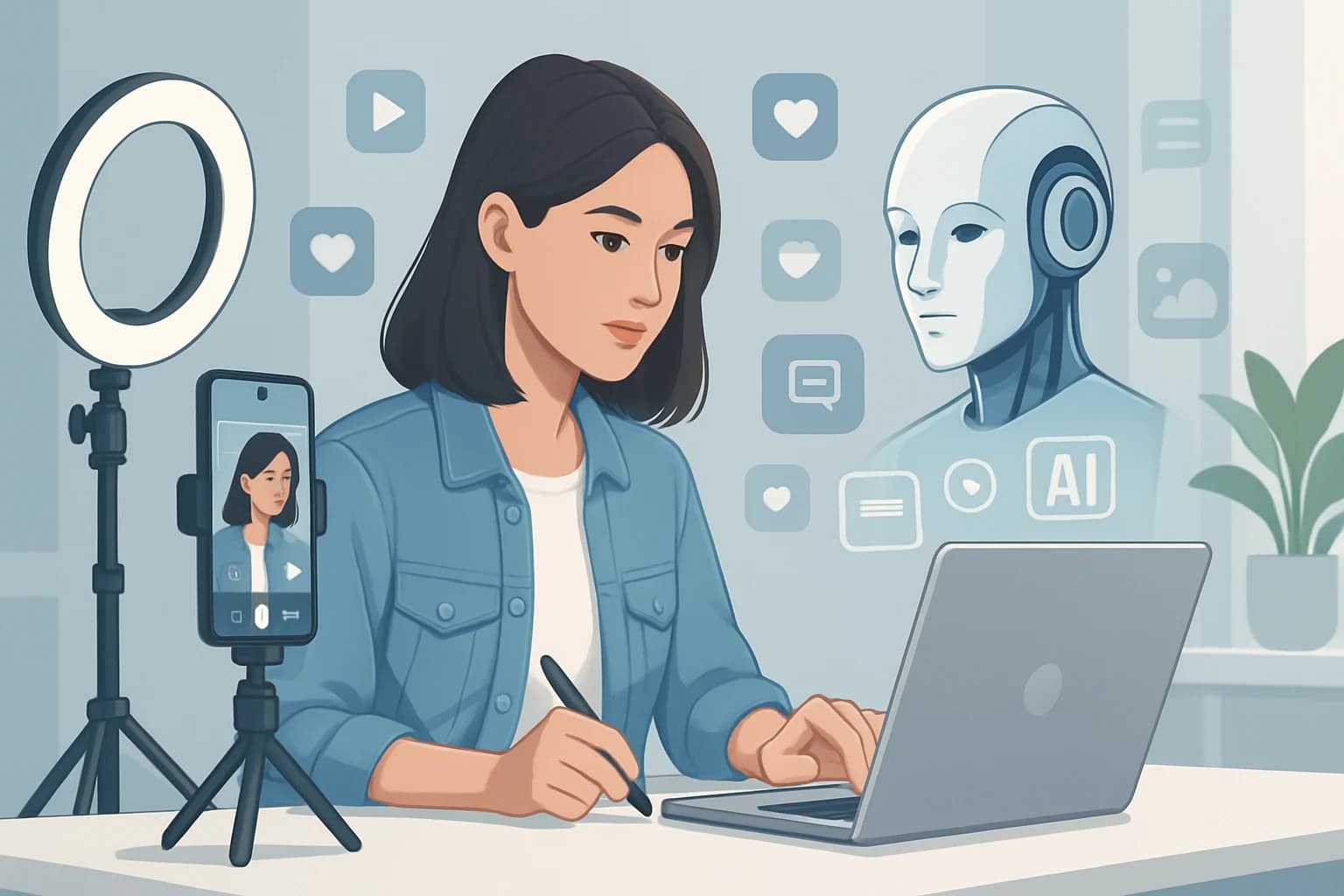
The digital landscape is evolving at an unprecedented pace, and as social media continues to dominate our communication habits, the integration of AI technology in content creation is becoming a necessity rather than a luxury. With users demanding more engaging and personalized experiences, businesses and content creators must adapt to these changes. Understanding the future of social media content creation with AI can set the foundation for thriving in this dynamic environment.
As AI technology advances, it promises to enhance creativity and efficiency in ways we have yet to fully explore. From generating content ideas to automating the editing process, AI tools are reshaping how we produce and consume content. This transformation raises critical questions about the implications, benefits, and challenges of relying on AI for social media content creation.
What is the future of social media content creation with AI technology?
AI technology refers to systems and machines that mimic human cognitive functions. In the context of social media, it involves using algorithms and data analysis to create, curate, and distribute content. This technology is not just a trend; it's a significant shift in how content is developed and shared.
The importance of AI in enhancing creativity and efficiency cannot be overstated. As social media platforms become saturated with content, creators must find innovative ways to stand out. AI can help identify trends, generate ideas, and personalize content, making it a powerful ally for content creators. The future of social media content creation with AI will not only redefine content strategies but will also reshape the relationship between creators and their audiences.
How is AI transforming social media content creation?
Overview of AI tools and technologies
Several AI tools and technologies are making waves in the realm of social media content creation:
- Natural Language Processing (NLP): This enables machines to understand and interpret human language, allowing for better content generation. NLP can analyze sentiment, tone, and context, ensuring that the content resonates with the target audience.
- Machine Learning: Algorithms analyze vast amounts of data to predict trends and user preferences. This capability allows for the creation of targeted campaigns that are more likely to engage users effectively.
- Computer Vision: AI can analyze images and videos to optimize visuals for better engagement. By understanding what types of images or videos perform well, creators can tailor their visual content strategically.
Examples of AI applications in content creation
- Content Generation: Tools like ChatGPT and Jasper can generate blog posts, social media captions, and even scripts. For example, they can suggest trending topics based on current events or user interests, saving creators time and effort.
- Image and Video Creation: Platforms like Canva and Lumen5 leverage AI to help users create stunning visuals with minimal effort. They offer templates and smart design suggestions that enhance aesthetics and engagement.
- Social Listening Tools: AI-driven tools like Brandwatch analyze social media conversations to provide insights on audience sentiment and emerging trends. This data is invaluable for tailoring content to meet audience needs.
What are the benefits of using AI in content creation?
Increased efficiency and productivity
AI can automate repetitive tasks, allowing creators to focus on strategy and creativity. For instance:
- Content Scheduling: Tools like Buffer use AI to determine the best times for posting, optimizing engagement based on historical data.
- Data Analysis: AI can quickly analyze engagement metrics, providing insights for future content. By identifying which posts performed best, creators can replicate successful strategies.
Enhanced creativity and personalization
With AI, creators can tailor content to specific audiences based on their preferences. Benefits include:
- Dynamic Content Creation: AI can generate personalized recommendations based on user behavior, ensuring that content is relevant and appealing.
- A/B Testing: AI tools can run multiple content variations simultaneously to determine which resonates best with the audience. This method allows creators to fine-tune their messages and visuals for maximum impact.
Improved ROI and Cost-Effectiveness
By streamlining content creation processes, AI can lead to better returns on investment (ROI). For example:
- Reduced Production Costs: Automated tools can lower the costs associated with content production, freeing up resources for strategic initiatives.
- Targeted Advertising: AI can analyze user data to optimize ad placements, ensuring that marketing budgets are spent effectively.
What challenges does AI present in content creation?
Issues of authenticity and originality
As AI-generated content becomes more prevalent, questions of authenticity arise. Can AI truly capture the human experience? This leads to concerns about:
- Plagiarism: AI can inadvertently produce content similar to existing works, raising ethical questions. Ensuring originality is crucial for maintaining brand integrity and trust.
- Loss of Human Touch: Content may lack the emotional connection that resonates with audiences. While AI can analyze data and trends, it may not fully grasp the nuances of human emotion and storytelling.
Potential job displacement in creative roles
As AI takes over more content creation tasks, there's a legitimate fear of job loss in creative industries. While some roles may evolve, others could become obsolete, leading to:
- Shift in Skill Requirements: Creators may need to adapt by learning to work alongside AI. This could involve upskilling in areas such as data analysis or AI tool management.
- Economic Disparities: Smaller businesses may struggle to compete with larger companies that can afford advanced AI tools. This disparity could widen the gap between well-funded enterprises and smaller content creators.
How can businesses leverage AI for better content strategies?
Steps to integrate AI tools into content creation
- Identify Objectives: Determine what you want to achieve with AI in your content strategy. Are you looking to improve engagement, enhance creativity, or streamline production?
- Choose the Right Tools: Select AI tools that align with your goals, such as content generation or audience analysis. Research different platforms to find the best fit for your needs.
- Train Your Team: Ensure that your team understands how to use these tools effectively. Invest in training sessions to familiarize them with AI technologies.
- Analyze Results: Continuously monitor performance and adjust strategies based on data insights. Regularly assess what's working and what needs improvement.
Real-world examples of successful AI implementations
- Coca-Cola: Utilized AI to analyze consumer data, leading to more personalized marketing campaigns that resonate with their audience. Their approach has resulted in increased brand loyalty and customer engagement.
- BuzzFeed: Leveraged AI for content generation, producing articles tailored to audience interests. Their use of AI-driven analytics has allowed them to stay ahead of trends and deliver relevant content consistently.
What is the future landscape of AI in social media content creation?
Predictions on AI advancements
The future of AI in social media content creation is poised for rapid growth. We can expect:
- Improved AI Algorithms: Enhanced understanding of language and context will lead to more sophisticated content generation. AI will become increasingly adept at creating nuanced, context-aware content.
- Greater Personalization: AI will enable hyper-targeted content that resonates with specific audience segments, improving engagement and conversion rates.
Emerging trends in social media content creation
As we look ahead, several trends are likely to shape the future landscape:
- Interactive Content: AI will facilitate the creation of interactive experiences that engage users more deeply. This could include quizzes, polls, and gamified content that encourages participation.
- Augmented Reality (AR) Integration: Combining AI with AR will allow for innovative content formats that blend the digital and physical worlds, creating immersive experiences for users.
- Voice and Visual Search: As voice and visual search become mainstream, AI will help optimize content for these platforms. This includes creating content that is easily discoverable through voice queries or image searches.
Key Takeaways
- AI technology is revolutionizing social media content creation by automating tasks and enhancing creativity.
- AI tools can significantly increase efficiency and productivity, allowing creators to focus on strategy.
- Challenges such as authenticity and job displacement must be addressed as AI becomes more integrated into the creative process.
- Businesses can leverage AI for better content strategies through careful selection and implementation of tools.
- The future of AI in social media content creation promises advancements in personalization and interactive experiences.
Frequently Asked Questions
What are the advantages of AI in content creation?
AI offers numerous advantages, including increased efficiency, enhanced creativity, and the ability to analyze audience preferences for tailored content. By leveraging AI, creators can produce higher-quality content in less time.
How is AI used in social media marketing?
AI is used in social media marketing for content generation, audience analysis, and optimizing posting strategies based on engagement metrics. It helps marketers understand what types of content perform best and how to reach their target audience effectively.
What tools can help with AI content creation?
Several tools can assist with AI content creation, such as ChatGPT, Jasper, Canva, and Buffer. These platforms offer a range of functionalities that enhance the content creation process, from generating ideas to analyzing performance.
What is the impact of AI on creativity?
AI can enhance creativity by providing new ideas and insights, although it raises questions about the authenticity of AI-generated content. While AI can assist in brainstorming and creating drafts, the human touch remains essential for storytelling and emotional connection.
Conclusion
The future of social media content creation with AI technology is bright, offering exciting opportunities and challenges. As we navigate this evolving landscape, it's crucial to:
- Embrace AI as a tool for enhancing creativity and efficiency.
- Address the ethical implications of AI-generated content, ensuring originality and authenticity.
- Stay informed about emerging trends and technologies that will shape the industry.
By understanding these dynamics, content creators can position themselves for success in an increasingly AI-driven world.
Take Your Content to the Next Level
Ready to transform your content strategy with AI? Explore the latest tools and techniques to stay ahead of the curve. Sign up for a workshop or consultation today to learn how to integrate AI into your content creation process!