
# Understanding the Impact of AI on Social Media Content Quality
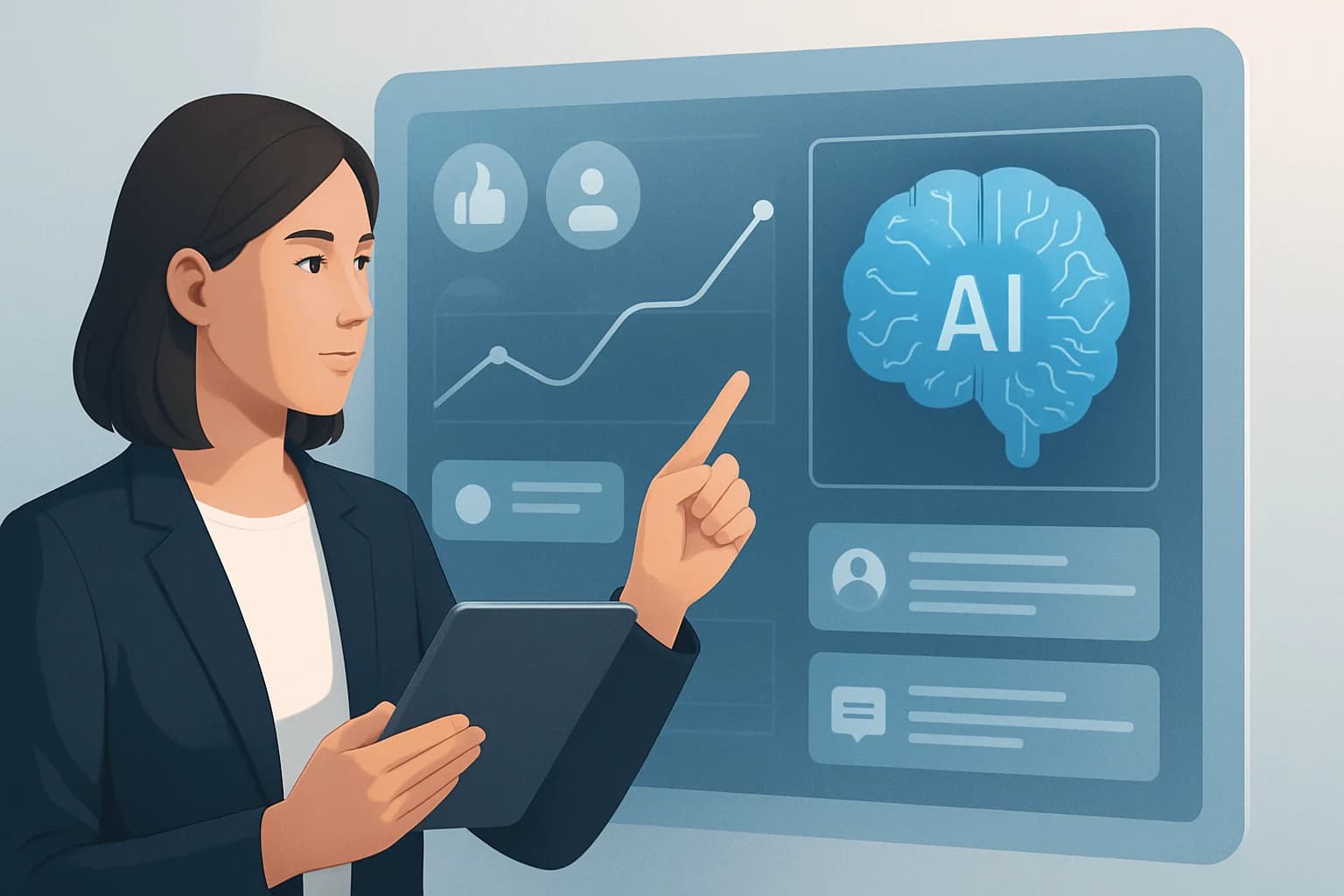
Understanding the impact of AI on social media content quality is more relevant now than ever. As social media platforms continue to evolve, the role of artificial intelligence (AI) in shaping content has become increasingly prominent. With billions of users sharing and consuming content daily, understanding how AI influences content quality is crucial for marketers, creators, and businesses alike.
AI technologies are not just tools for automation; they are redefining how content is created, curated, and consumed. From algorithms that determine what users see in their feeds to tools that assist in generating engaging posts, AI’s impact is profound and far-reaching. This article delves into the nuances of AI's influence on social media content quality, exploring its implications and offering insights on how to harness its power effectively.
Key Takeaways
- AI enhances content personalization, tailoring user experiences based on individual preferences and behaviors.
- Quality control using AI tools can help detect plagiarism, grammatical errors, and even assess emotional tone.
- Understanding AI's role is essential for navigating the ever-changing landscape of social media marketing.
- Ethical considerations must be taken into account when using AI to generate or curate content.
- Strategic implementation of AI can significantly boost engagement and reach on social media platforms.
What is Understanding the Impact of AI on Social Media Content Quality?
Understanding the impact of AI on social media content quality means recognizing the ways in which AI technologies influence both the creation and dissemination of content. At its core, this understanding involves two key concepts: machine learning and natural language processing (NLP).
-
Machine Learning: This refers to the ability of AI systems to learn from data and improve over time without explicit programming. It helps platforms recommend content based on user behavior, thereby enhancing the overall quality and relevance of what users see. For instance, platforms like Facebook and Instagram use machine learning algorithms to analyze user interactions, preferences, and demographics to curate personalized content feeds.
-
Natural Language Processing (NLP): NLP is a branch of AI that focuses on the interaction between computers and human language. It enables machines to understand, interpret, and generate human language, making it a critical tool for creating high-quality content. Applications of NLP include chatbots that engage with users in real time, sentiment analysis that assesses audience reactions to posts, and tools that generate written content, such as captions or articles, that are coherent and contextually relevant.
The implications of these technologies are vast, affecting everything from content moderation to audience engagement strategies. As a result, understanding how these systems operate can empower creators and marketers to make informed decisions that enhance content quality.
Why Understanding the Impact of AI on Social Media Content Quality Matters
Understanding the impact of AI on social media content quality is crucial for several reasons:
Benefits
- Enhanced User Experience: AI-driven personalization improves user engagement by delivering content that resonates with individual preferences. For example, Spotify uses AI algorithms to create personalized playlists, increasing user satisfaction and retention.
- Increased Efficiency: Automated tools can significantly reduce the time spent on content creation and curation. Tools like Canva and Lumen5 leverage AI to help users design graphics and videos effortlessly, allowing content creators to focus on strategy rather than technical execution.
- Data-Driven Decisions: AI allows for better analysis of user data, leading to more informed content strategies. Marketers can track engagement metrics and user interactions, enabling them to adapt their content to what resonates most with their audience.
- Scalability: AI technologies can manage large volumes of content, making it easier to maintain quality as brands scale. For instance, enterprises can use AI-powered analytics to monitor multiple social media accounts simultaneously, ensuring consistent messaging and brand presence.
Use Cases
- Content Creation: Tools like GPT-3 can assist in generating blog posts, social media updates, and even video scripts. For example, BuzzFeed uses AI to generate quizzes and articles, significantly enhancing content output without compromising creativity.
- Content Curation: AI algorithms can sift through vast amounts of data to recommend trending topics or relevant articles. Platforms like Flipboard and Feedly utilize AI to curate personalized news feeds based on user interests and reading habits.
- Audience Analysis: AI can analyze user interactions to provide insights into what types of content work best. Tools such as Sprout Social and Hootsuite employ AI to identify engagement patterns, allowing marketers to tailor their content strategies effectively.
The benefits of understanding how AI impacts social media content quality cannot be overstated; it is essential for anyone looking to thrive in the digital landscape.
How to Get Started with Understanding the Impact of AI on Social Media Content Quality
Getting started with understanding AI's impact on social media content quality involves several actionable steps:
Step-by-Step Guide
- Research AI Tools: Familiarize yourself with the AI tools available for social media, such as content generators, analytics platforms, and automation tools. Websites like G2 and Capterra can provide comparisons and reviews.
- Experiment with AI Applications: Use AI tools to create, analyze, and optimize your content. Track performance metrics to see what works. For instance, use A/B testing with different AI-generated headlines to understand which resonates better with your audience.
- Stay Updated: Follow industry news and trends related to AI and social media to keep abreast of new developments. Subscribing to newsletters from reputable sources like TechCrunch, Marketing Dive, and AI-focused blogs can keep you informed.
- Engage with Communities: Join forums or social media groups focused on AI in marketing to share insights and learn from others. Platforms like LinkedIn and Reddit have active communities discussing AI trends and tools.
Best Practices
- Balance Automation with Authenticity: While AI can streamline processes, ensure that your content remains genuine and relatable. Incorporate your brand's unique voice and values into AI-generated content.
- Regularly Review Content Quality: Use AI tools to monitor the quality of your content continuously. Adjust strategies based on data-driven insights, and don't hesitate to revise AI-generated content to better align with your brand's tone.
- Be Ethical: Consider the ethical implications of using AI, such as transparency and accountability in content generation. Clearly disclose when content is AI-generated and ensure compliance with platform policies regarding automation.
By following these steps and best practices, you can effectively harness the power of AI to enhance your social media content quality.
Common Mistakes to Avoid
While integrating AI into your social media strategy can be beneficial, there are common pitfalls that you should be aware of:
Pitfalls
- Over-Reliance on Automation: Relying solely on AI can lead to a lack of creativity and personal touch in content. It's essential to maintain a balance between automated processes and human creativity.
- Ignoring Audience Feedback: Not incorporating user feedback can result in content that fails to resonate. Regularly solicit and analyze feedback to refine your content strategy continuously.
- Neglecting Ethical Considerations: Failing to address the ethical aspects of AI use can damage your brand's reputation. Be transparent about how you use AI in content creation and moderation.
Solutions
- Maintain a Human Element: Ensure that human oversight is part of the content creation process to preserve authenticity. Collaborate with writers and creatives to enrich AI-generated content with human insights.
- Act on Feedback: Use audience insights to refine your content strategy continually. Implement surveys or polls to gauge audience sentiment and adjust your approach accordingly.
- Implement Ethical Guidelines: Create a framework for ethical AI use, including transparency in content generation. Establish clear policies for AI use and communicate them to your team.
By avoiding these pitfalls and implementing effective solutions, you can maximize the benefits of AI for your social media content quality.
Conclusion
Understanding the impact of AI on social media content quality is not just a trend but a necessity in today’s digital landscape. As AI technologies continue to evolve, they offer significant advantages in terms of efficiency, personalization, and data-driven decision-making. By recognizing the benefits, understanding how to implement AI effectively, and avoiding common mistakes, you can enhance your social media strategy substantially.
- AI enhances personalization and user engagement, leading to better audience retention.
- Data-driven insights improve content strategies, allowing for real-time adjustments based on performance metrics.
- Ethical considerations are critical for responsible AI use, ensuring brand integrity and consumer trust.
Take Your Content to the Next Level
Are you ready to leverage AI to enhance your social media content quality? Start exploring AI tools today and see how they can transform your approach to content creation and engagement. Join the conversation on social media and share your experiences with AI in content marketing! By staying informed and proactive, you can ensure that your content not only meets but exceeds the expectations of your audience in this rapidly evolving digital landscape.