
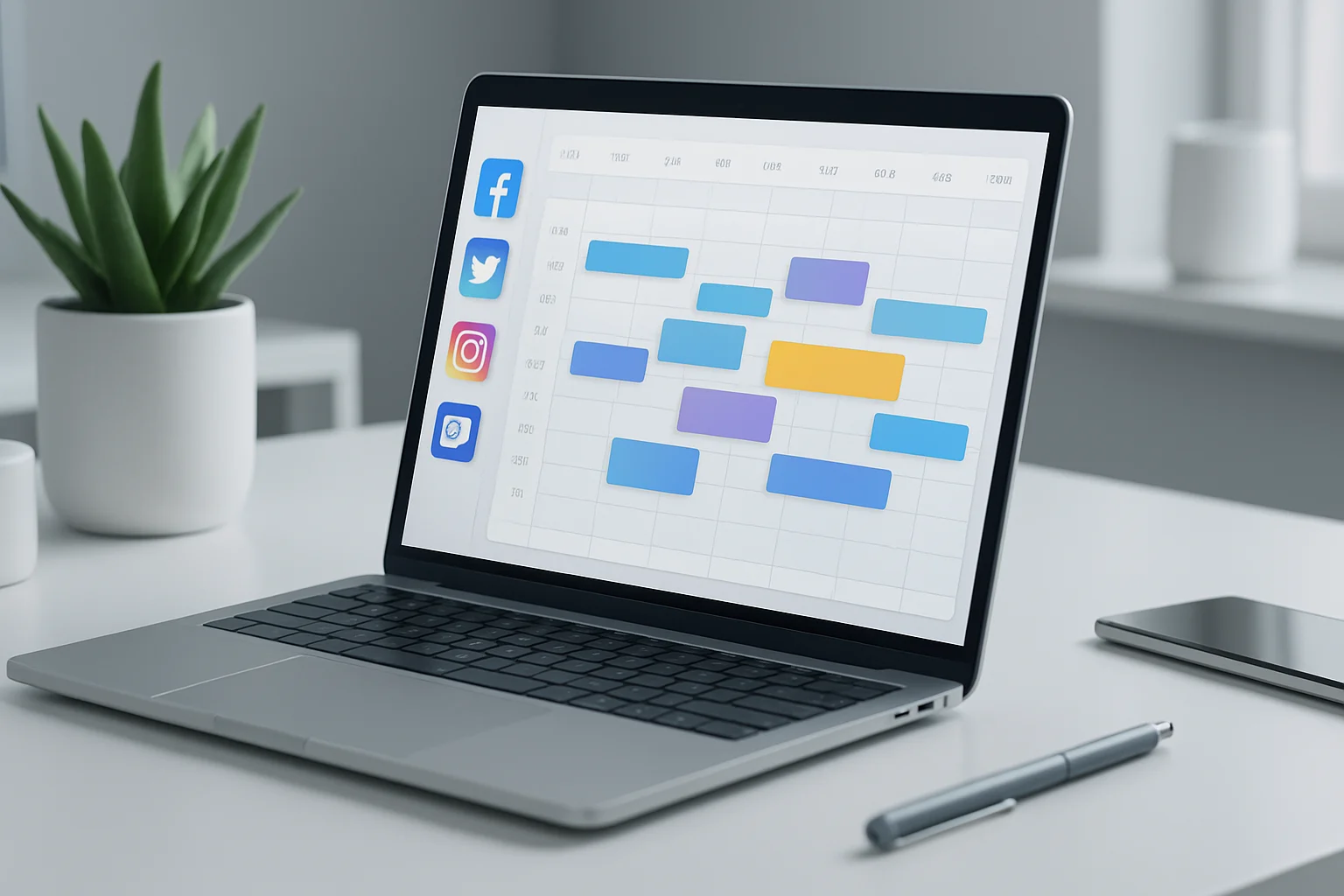
In today’s fast-paced digital environment, social media content scheduling has become an essential practice for businesses and influencers alike. With countless users engaging across various platforms, creating a consistent and effective presence is crucial. Scheduling content allows you to streamline your efforts, ensuring that your audience receives timely updates that align with their interests and behaviors.
By leveraging social media scheduling tools, you can optimize your posts for maximum engagement, nurturing relationships with your audience while freeing up time for other important tasks. This guide will explore the ins and outs of social media content scheduling, offering actionable tips and insights to elevate your strategy.
Key Takeaways
- Social media content scheduling enhances consistency and engagement.
- Identify your target audience to tailor your content effectively.
- Utilize analytics to refine your posting strategy.
- Avoid common pitfalls, such as posting without a clear strategy.
- Stay updated with future trends in automation and AI.
What is Social Media Content Scheduling and Why Does it Matter?
Social media content scheduling refers to the practice of planning and organizing posts across various social platforms in advance. This process enables businesses and individuals to systematically manage their content, ensuring that posts are strategically timed for optimal visibility and engagement.
The importance of scheduling cannot be overstated. By creating a consistent posting schedule, you can:
- Increase audience engagement: Regular posts keep your audience informed and engaged. For example, brands that post consistently can double their engagement rates compared to those that post sporadically.
- Enhance reach: Timely posts can reach a wider audience when they are most active. Posts scheduled during peak hours can significantly boost your visibility on crowded platforms.
- Free up resources: Scheduling allows for better resource allocation and time management. By planning ahead, teams can focus on creating quality content rather than scrambling last minute to post.
How to Create a Social Media Content Schedule
Creating a social media content schedule involves several key steps:
Identify Your Target Audience
Understanding your audience is fundamental. Conduct market research to:
- Determine demographics, including age, gender, and location.
- Identify their interests and pain points, which can be done through surveys, social media polls, or direct feedback.
- Analyze their behavior on different platforms, using tools like Facebook Audience Insights or Google Analytics to gather data.
By knowing who your audience is, you can tailor your content to meet their needs and preferences, thereby increasing engagement.
Choose the Right Platforms
Not every platform suits every audience. Select platforms based on where your target audience spends their time. Common platforms include:
- Facebook: Great for community building and sharing diverse content types.
- Instagram: Ideal for visual storytelling and brand aesthetics.
- Twitter: Excellent for real-time updates and engaging in trending conversations.
- LinkedIn: Best for B2B marketing and professional networking.
Choosing the right platform ensures that your content reaches the intended audience effectively.
Determine the Best Times to Post
Timing is crucial. Research indicates that different platforms have peak engagement times. Use analytics tools to find the:
- Best days of the week for your audience, which may vary based on industry and audience demographics.
- Optimal times of day for posting, considering factors such as time zones and user habits.
For instance, studies show that on Instagram, posts tend to perform well during lunch hours (11 AM - 1 PM) and evenings (7 PM - 9 PM).
Best Tools for Social Media Content Scheduling
Several tools can help streamline your scheduling process. Here’s an overview of popular options:
- Hootsuite: Offers comprehensive features for scheduling, monitoring, and reporting. With Hootsuite, you can manage multiple accounts from a single dashboard and track performance metrics.
- Buffer: Known for its simplicity and effectiveness in scheduling across multiple platforms. Buffer allows you to create a posting schedule tailored to your preferences and analyze engagement data.
- Sprout Social: Provides in-depth analytics and engagement features. It offers a robust reporting system that helps you understand what content resonates with your audience.
Features to Look for in Scheduling Tools
When choosing a scheduling tool, consider the following features:
- User-friendly interface: A straightforward dashboard that makes scheduling easy.
- Analytics and reporting tools: Ability to track performance and engagement metrics.
- Multi-platform support: Capability to manage various social media accounts from one tool.
- Post customization options: Flexibility to tailor posts for different platforms to suit their unique audiences.
Tips for Effective Social Media Content Scheduling
To maximize your content scheduling efforts, keep these tips in mind:
Consistency in Posting
Regular posting is key to maintaining audience engagement. Develop a content calendar that outlines:
- Posting frequency (e.g., daily, weekly).
- Types of content (e.g., promotional, educational, entertaining).
For instance, you might decide to post promotional content on Mondays, educational content on Wednesdays, and interactive posts like polls or Q&A sessions on Fridays.
Utilizing Analytics for Optimization
Use analytics to track engagement and refine your strategy. Focus on:
- Key performance indicators (KPIs) such as likes, shares, and comments to measure success.
- Adjusting your content based on performance data, such as increasing the frequency of posts that receive high engagement and reconsidering the types of content that do not resonate.
Engaging with Your Audience
Scheduling posts doesn’t mean you should neglect interactions. Make time to:
- Respond to comments and messages promptly. Timely responses can enhance customer satisfaction and loyalty.
- Engage in conversations to build community. Ask questions in your posts to encourage discussion and respond to feedback to show your audience that you value their input.
“Effective social media scheduling is not just about timing; it's about creating a dialogue with your audience.”
Measuring the Success of Your Social Media Content Schedule
To determine the effectiveness of your content schedule, track the following key performance indicators (KPIs):
- Engagement rate (likes, shares, comments) to assess how well your content resonates.
- Follower growth to monitor the expansion of your audience over time.
- Website traffic from social media links to evaluate how well your posts drive traffic to your site.
Tools for Measuring Success
Utilize tools such as:
- Google Analytics: To track traffic and conversions from social channels.
- Social media insights: Each platform offers built-in analytics to monitor performance. For example, Facebook Insights provides detailed demographic information about your followers that can guide your content strategy.
Common Mistakes to Avoid in Social Media Content Scheduling
Avoid these pitfalls to ensure your scheduling efforts are effective:
Posting Without a Strategy
Always have a clear content strategy aligned with your marketing goals. Without a strategy, your content may lack focus, leading to poor engagement.
Ignoring Audience Insights
Regularly check analytics to adjust your content strategy based on audience behavior. Ignoring data can result in missed opportunities to connect with your audience.
Neglecting Engagement
Don’t just post and forget. Engage actively with your audience to build relationships. Failing to interact can make your audience feel undervalued, which may lead to disengagement.
Future Trends in Social Media Content Scheduling
The landscape of social media is continually evolving. Here are some trends to watch:
Automation and AI in Scheduling
Emerging technologies are making it easier to automate scheduling processes, allowing for:
- Predictive analytics to optimize posting times based on historical data and user behavior.
- AI-generated content suggestions that can help in creating posts that resonate with your audience.
Emerging Platforms and Their Impact
Stay informed about new platforms that may become significant players in the social media landscape. For instance, platforms like TikTok have revolutionized content consumption, particularly among younger audiences. Adapting to these changes can give you a competitive edge and open up new avenues for audience engagement.
Frequently Asked Questions
What are the benefits of social media content scheduling?
Scheduling helps maintain consistency, enhances audience engagement, and allows for better time management. It ensures that your content is always fresh and relevant, even when you are busy with other tasks.
How often should you schedule social media posts?
The frequency depends on the platform and audience. Generally, posting 1-3 times per day is effective for most platforms, but it's essential to monitor engagement and adjust accordingly.
Can you automate social media content scheduling?
Yes, many tools offer automation features to streamline your scheduling process. Automation can save time and ensure your content is consistently published without manual intervention.
What types of content are best for scheduling?
A mix of promotional, educational, and entertaining content tends to engage audiences effectively. Consider varying content types to keep your feed dynamic and interesting.
How do I know if my content is resonating with my audience?
Regularly analyze engagement metrics such as likes, shares, and comments to gauge audience response. Additionally, monitor follower growth and website traffic from social links for a more comprehensive understanding.
Conclusion
Social media content scheduling is a powerful strategy for enhancing engagement and building lasting relationships with your audience. By understanding your audience, using effective tools, and measuring your success, you can optimize your content strategy.
- Create a content calendar for consistent posting.
- Engage with your audience regularly.
- Utilize analytics to refine your strategy.
- Stay updated with the latest trends in social media.
Take Your Content to the Next Level
Ready to elevate your social media presence? Start implementing a content scheduling strategy today! Explore various scheduling tools and engage with your audience more effectively. For more resources and tips, check out our articles on content marketing and social media strategies. By investing time in scheduling, you’ll not only enhance your online presence but also foster a community that values your contributions.